Hidden Risks: Are Nursing Home Inspections Failing Our Seniors?
Discover the critical gaps in U.S. nursing home safety. Our deep dive explores inspection protocols, deficiency rates, and the risks facing elderly residents.
Uncovering the Reality of Nursing Home Safety
Across the United States, roughly 1.2 million elderly individuals and younger people living with disabilities reside in approximately 14,700 nursing homes. With more than one-third of adults requiring some form of nursing facility care after reaching age 65, the quality of these institutions is a matter of profound national concern. The COVID-19 pandemic brought these vulnerabilities into sharp focus, revealing how systemic failures can lead to tragic outcomes. While federal oversight remains a cornerstone of facility regulation, shifting political landscapes and fluctuating inspection schedules have created a complex environment for both providers and families.

The Anatomy of Federal Inspections
The Centers for Medicare and Medicaid Services (CMS) maintains a rigorous, albeit challenging, oversight process. To retain federal funding, facilities must strictly adhere to participation conditions, which are verified through unannounced, on-site surveys. These inspections fall into two categories: standard scheduled reviews and reactive complaint-driven investigations. While the majority of deficiencies are caught during routine cycles, one in four issues is identified only after a specific report of noncompliance from a resident or family member.

CMS also employs federal validation surveys to ensure state-level agencies are performing accurately. However, administrative hurdles and government shutdowns can disrupt this rhythm, leading to gaps in oversight. Current data indicates that while 87% of homes underwent a standard survey between March 2025 and May 2026, a small percentage of facilities have operated without a formal inspection since early 2024.
Assessing Scope and Severity of Failures
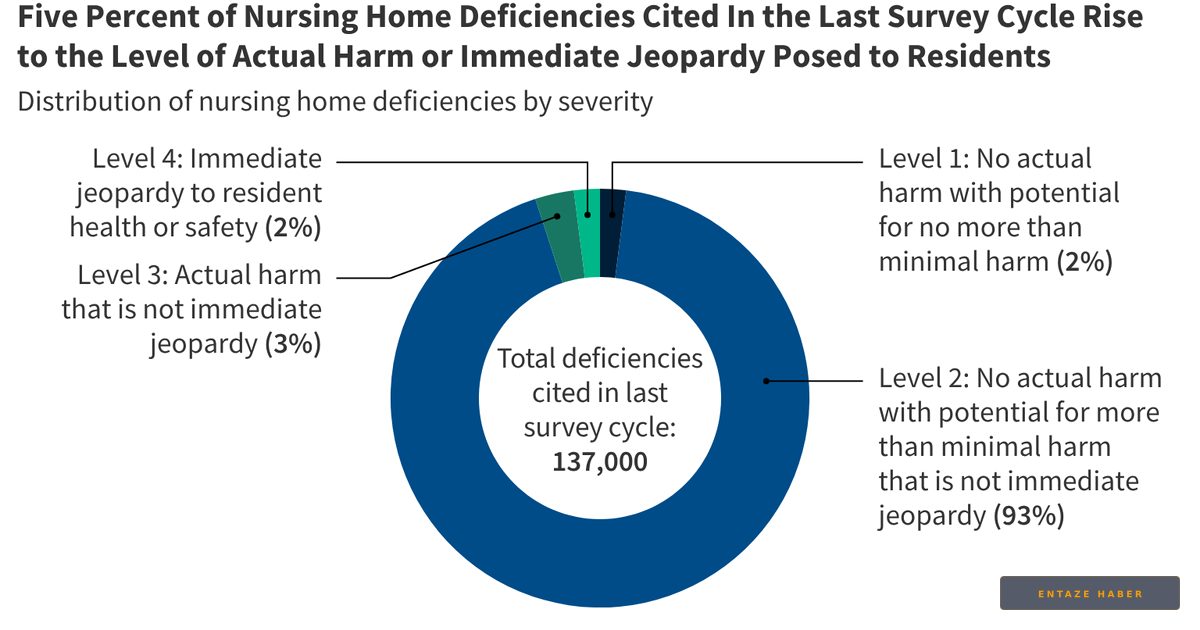
When inspectors identify a failure to meet federal standards, they assign a 'deficiency' rating based on scope—how many people are affected—and severity—the level of harm caused. These ratings range from A to L. While most cited issues fall into the 'Level 2' category, meaning they pose a potential for harm without actual injury, five percent of all recorded deficiencies reach the critical threshold of 'actual harm' or 'immediate jeopardy.'
Research indicates a clear correlation between staffing levels and safety. Facilities with inadequate personnel are significantly more prone to severe deficiencies, such as failure to prevent falls or improper medication administration. In the most recent cycle, approximately 28% of nursing homes reported at least one high-severity deficiency, underscoring the urgent need for persistent vigilance in oversight.
Recent Developments
Maintaining transparency in healthcare is vital as we track the latest updates regarding nursing home safety protocols. This breaking news highlights the ongoing necessity for strict federal oversight to protect vulnerable populations. You can follow all developments instantly on MedicareTicker.com.
Related Topics
🔹 Nursing Home Oversight 🔹 Elder Care Quality 🔹 Medicare Compliance 🔹 Medicaid Regulations 🔹 Patient Safety Standards 🔹 Healthcare Administration 🔹 Facility Inspections
State-news News
This category provides live updates and breaking news regarding state-level health policies and facility management across the country. MedicareTicker.com keeps you informed on the latest updates affecting public health and safety standards in your region.
Frequently Asked Questions
How often are nursing homes required to undergo standard inspections?
Federal law dictates that facilities must receive a standard, unannounced survey at least once every nine to fifteen months. However, staffing shortages and administrative interruptions can sometimes cause delays in this schedule.
What is the difference between a standard survey and a complaint survey?
A standard survey is a routine checkup conducted as part of a regular cycle, while a complaint survey is triggered specifically by reports from residents, family members, or staff regarding potential safety or health violations.
How does staffing impact the likelihood of a deficiency?
Data shows that nursing homes with lower staffing levels are more likely to experience serious deficiencies. These facilities often struggle to meet basic safety requirements, which can lead to incidents of actual harm or immediate jeopardy to residents.