Medicaid Section 1115 Waivers: Tracking State Shifts and New Federal Mandates
Explore the latest updates on Medicaid Section 1115 waivers, including new work requirements, state implementation timelines, and shifting federal priorities.
Navigating Shifting Medicaid Waiver Priorities
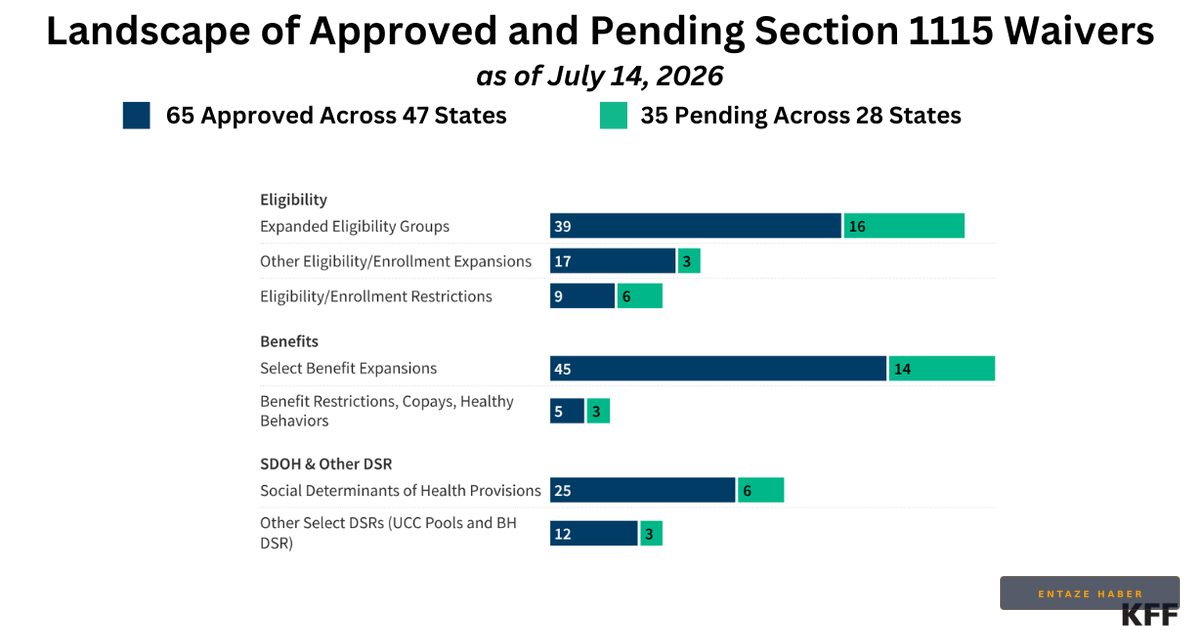
Section 1115 Medicaid demonstration waivers serve as a vital mechanism for states to experiment with healthcare delivery models that deviate from standard federal statutes. By securing these waivers, states gain the flexibility to tailor their programs to local needs, provided the initiatives align with the overarching goals of the Medicaid program. As federal administrations change, so do the priorities and approval criteria for these demonstration projects, forcing states to constantly adjust their healthcare strategies.

The Resurgence of Medicaid Work Requirements
A major pivot in policy arrives via the 2025 reconciliation law, which mandates that states tie Medicaid eligibility for certain adults to specific work requirements starting January 1, 2027. While federal law sets this deadline, several states are opting for early implementation through State Plan Amendments (SPAs). Nebraska leads this charge, with enforcement slated to begin May 1, 2026. Montana and Iowa are following suit with start dates of July 1, 2026, and December 1, 2026, respectively. Arkansas has also signaled its intent to initiate a soft launch by mid-2026, though it will hold off on full disenrollment until the federal deadline.

Evolving Federal Stance on Social and Eligibility Initiatives
The Trump administration has introduced significant changes to the approval landscape. In March 2025, officials rescinded previous guidance regarding health-related social needs (HRSN), opting for a case-by-case review process rather than the broader framework established under the prior administration. Furthermore, the administration has signaled a halt to new or extended continuous eligibility waivers for children and adults, while also phasing out funding for Designated State Health Programs (DSHP) and initiatives aimed at strengthening the Medicaid workforce.
Incarceration and Reentry Coverage
Transition-related care for incarcerated individuals remains a critical area of focus. Nineteen states previously secured waivers to offer Medicaid-covered services to inmates prior to their release, aiming to bolster continuity of care and reduce recidivism. These programs allow for a partial lifting of the traditional inmate exclusion policy, reflecting a bipartisan effort to improve health outcomes during the critical reentry period.
Recent Developments
States are actively adjusting their healthcare policies in response to the latest federal guidelines and the upcoming 2027 work requirement mandate. Tracking these shifts is essential for understanding the current landscape of breaking news regarding public health administration. You can follow all developments instantly on MedicareTicker.com.
Related Topics
🔹 Medicaid Policy 🔹 Section 1115 Waivers 🔹 Healthcare Reform 🔹 Federal Policy Shifts 🔹 State Health Initiatives 🔹 Medicaid Eligibility
State-news News
This category covers the latest updates regarding state-level implementation of federal healthcare mandates and demonstration projects. MedicareTicker.com provides live coverage of how these policy shifts impact residents across the country, ensuring you stay informed with breaking news in real time.
Frequently Asked Questions
What is a Section 1115 waiver?
It is a tool that allows states to test new healthcare delivery approaches that differ from federal rules. These waivers must demonstrate that they promote the objectives of the Medicaid program.
When do the new federal work requirements begin?
The federal law mandates that states condition Medicaid eligibility on work requirements starting January 1, 2027. Some states, however, are choosing to implement these requirements early through state plan amendments.
What is the current status of HRSN waiver approvals?
The Trump administration rescinded the previous HRSN guidance in March 2025. While existing approvals remain intact, new requests are now evaluated on a case-by-case basis.