Medicaid Expansion: Assessing the Impact of 1115 Waivers on Substance Use Treatment
Explore the latest findings on 1115 Medicaid waivers for substance use treatment in IMDs. Discover how 38 states are navigating residential care and recovery goals.
Evolving Medicaid Pathways for Substance Use Treatment
Medicaid currently supports one-fifth of all American adults struggling with substance use disorders (SUDs). While clinical guidelines from the American Society of Addiction Medicine (ASAM) emphasize residential and inpatient care as vital components of treatment, federal regulations have historically barred Medicaid reimbursement for facilities defined as Institutions for Mental Disease (IMDs) for individuals aged 21 to 64. These facilities, typically housing more than 16 beds, fall under specific federal oversight that prohibits standard Medicaid billing.

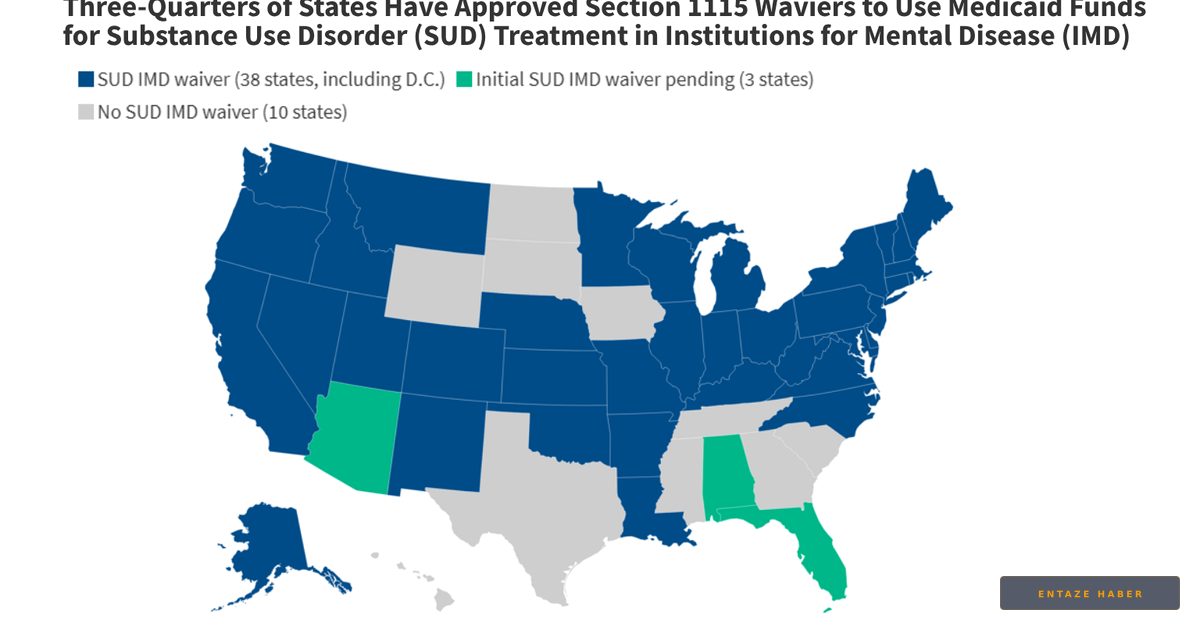
To bridge these service gaps, federal authorities introduced Section 1115 demonstration waivers in 2015, with subsequent updates in 2017. These waivers permit states to access federal Medicaid dollars for short-term stays in IMDs. The primary objectives include reducing overdose fatalities, curbing unnecessary emergency room visits, and fostering a more robust continuum of care. As of April 2026, 38 states and the District of Columbia have secured approval for these SUD IMD waivers, signaling a widespread shift in how states address addiction treatment within public health frameworks.
Insights from State Summative Evaluations

As of April 2026, six states—California, Indiana, New Hampshire, Washington, Utah, and Massachusetts—have finalized their summative evaluations. These reports, mandated 18 months following the end of the demonstration period, offer a window into the effectiveness of these waivers. While the data suggests an uptick in access to residential treatment and improved utilization of medications for opioid use disorder, determining a direct causal link remains complex. External variables, most notably the COVID-19 pandemic and the surging fentanyl crisis, have complicated the ability to isolate the specific impact of the waivers from broader national health trends.
Furthermore, the evaluations highlight persistent systemic hurdles. Workforce shortages, fragmented treatment infrastructure, and severe housing instability continue to impede recovery efforts. Even when patients successfully transition out of inpatient IMD settings, the lack of stable housing often disrupts long-term success. The variation in how states measure progress, combined with these confounding factors, creates a fragmented landscape for drawing national conclusions on quality outcomes.
The Landscape of IMD Policy Exceptions
Beyond Section 1115 waivers, federal policy offers four primary avenues for states to finance IMD-based care. The "in lieu of" (ILOS) authority under Medicaid managed care allows for 15-day stays when deemed cost-effective. Meanwhile, the SUPPORT Act provides a state plan option for up to 30 days of annual treatment, a provision made permanent by the 2024 Consolidated Appropriations Act. Additionally, states continue to utilize Disproportionate Share Hospital (DSH) payments to offset uncompensated care costs in facilities serving low-income populations. These diverse funding streams reflect an ongoing effort to balance institutional care with community-based support services.
Recent Developments
Policymakers are tracking the latest updates on Medicaid waiver efficacy as more states submit their five-year extension requests. Staying informed on this breaking news is essential for stakeholders monitoring the live news landscape of public health funding. You can follow all developments instantly on MedicareTicker.com.
Related Topics
🔹 Medicaid Policy 🔹 Substance Use Disorder 🔹 Section 1115 Waivers 🔹 Behavioral Health Funding 🔹 Public Health Reform 🔹 Healthcare Administration 🔹 Addiction Treatment Access
State-news News
This category provides breaking news and the latest updates on state-level healthcare policies and Medicaid reforms. We provide live coverage of legislative shifts that impact patient care across the United States, exclusively on MedicareTicker.com.
Frequently Asked Questions
What defines an Institution for Mental Disease (IMD)?
An IMD is a facility, hospital, or nursing home with more than 16 beds that focuses primarily on the diagnosis and treatment of mental health or substance use conditions. Federal law limits Medicaid reimbursement for these facilities for adults between 21 and 64.
Why are states using Section 1115 waivers for SUD treatment?
States utilize these waivers to bypass the federal IMD payment exclusion, allowing them to access federal matching funds for short-term residential treatment. This expansion aims to increase access to a full continuum of addiction care and reduce overdose rates.
How has the COVID-19 pandemic affected waiver evaluation data?
The pandemic caused significant disruptions in service delivery and patient outcomes, making it difficult to isolate the success of waiver programs. Researchers have struggled to separate the impact of the waivers from the broader effects of the health crisis and the rise in fentanyl-related deaths.