The Care Crisis: How Shifting Federal Policies Could Destabilize the Long-Term Care Workforce
Discover how new federal policy shifts regarding Medicaid, immigration, and labor rules threaten the stability of the 2.3 million strong direct care workforce.
The Backbone of American Long-Term Care
Long-term care represents a vital infrastructure of medical and personal support, assisting millions with essential daily functions like dressing, eating, and medication management. According to the Department of Health and Human Services, more than half of all Americans reaching age 65 will require some form of long-term care, with many eventually transitioning into nursing home environments. While Medicaid serves as the primary financial pillar for these services, the workforce responsible for this care faces mounting pressures that threaten the continuity of support for the elderly and those with disabilities.

A Fragile Workforce Under Pressure
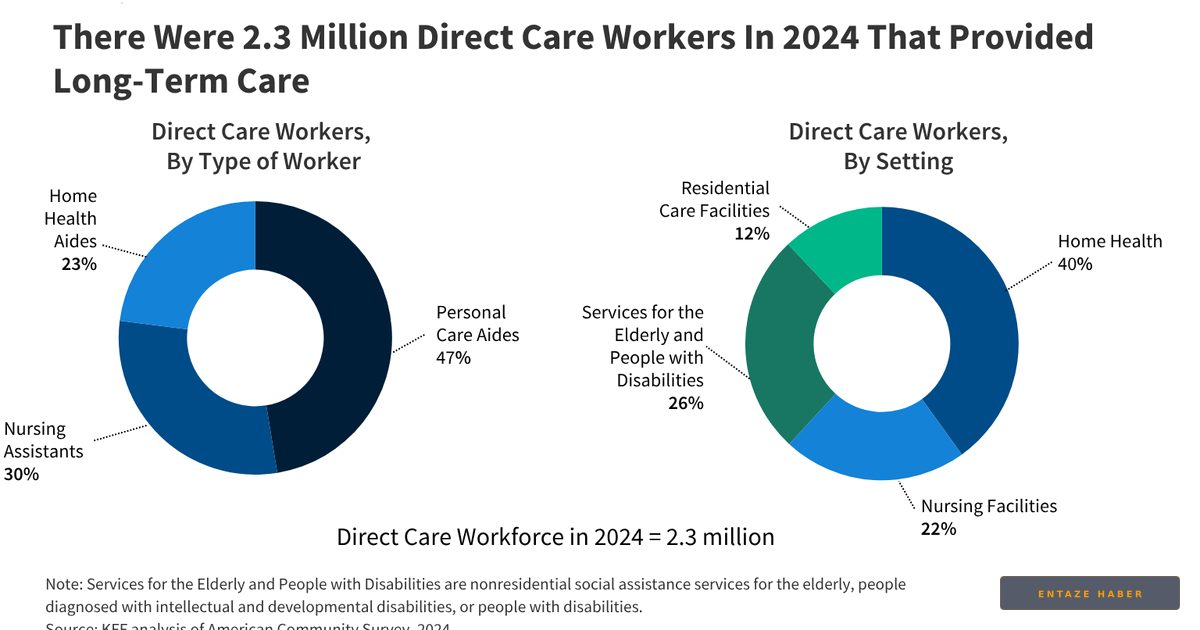
In 2024, approximately 2.3 million direct care workers—including nursing assistants, home health aides, and personal care aides—provided essential services. Despite their critical role, these professionals endure high-stress environments, often receiving low wages and minimal benefits. This economic reality drives persistent labor shortages and high turnover rates across home-based and institutional settings. Data from the 2024 American Community Survey indicates that 66% of these workers operate in home care, while the remainder serve in nursing facilities or residential care centers.

Socioeconomic Vulnerabilities and Demographic Trends
Demographic shifts reveal that direct care workers are disproportionately older, female, and from minority backgrounds compared to the broader U.S. labor market. Specifically, 30% of the workforce identifies as Black and 23% as Hispanic. Furthermore, these workers are significantly more likely to possess a high school diploma or less and rely on Medicaid themselves, with 32% enrolled in the program. Immigrants constitute 30% of this sector, a figure that surges to 60% in states like New York, highlighting the workforce's reliance on foreign-born labor.
Policy Shifts and Future Risks
Recent federal proposals threaten to further destabilize this already precarious labor pool. Potential Medicaid reforms, including $911 billion in projected spending cuts and the implementation of work requirements, could disproportionately impact the very individuals who provide the care. Additionally, restrictive immigration policies and visa pauses affecting 75 countries create significant anxiety, potentially deterring the future labor supply. Labor Department proposals aimed at reclassifying workers as independent contractors or rolling back overtime protections could further erode the financial security of these essential aides. Meanwhile, the delay in CMS enforcement regarding provider rate advisory groups leaves a critical gap in efforts to standardize and improve worker compensation.
Recent Developments
As the healthcare sector navigates these changes, breaking news reports suggest that the labor shortage could reach a critical tipping point in the coming fiscal year. The latest updates from federal agencies indicate that while some states are attempting to bolster worker protections, the overarching national landscape remains volatile for live news tracking. You can follow all developments instantly on MedicareTicker.com.
Related Topics
🔹 Medicaid Policy 🔹 Long-Term Care Workforce 🔹 Home Health Aides 🔹 Immigration Reform 🔹 Healthcare Labor Rights 🔹 Aging Population 🔹 Direct Care Standards
State-news News
This category provides comprehensive coverage of state-level healthcare policies and their direct impact on the American public. We deliver breaking news and the latest updates on how regional legislation influences patient access and workforce stability, ensuring our readers have access to live, actionable information. MedicareTicker.com serves as your primary source for these critical state-based developments.
Frequently Asked Questions
What are the primary responsibilities of direct care workers?
Direct care workers provide essential assistance with activities of daily living, such as bathing, dressing, and eating, as well as instrumental tasks like medication management. Their roles vary by setting, ranging from residential nursing facilities to home health environments.
How do immigration policies affect the long-term care workforce?
With 30% of the direct care workforce consisting of immigrants, restrictive immigration enforcement and visa pauses create significant instability. Such policies may reduce the available labor pool, exacerbating existing shortages in a sector that relies heavily on foreign-born staff.
Why is Medicaid significant for the direct care workforce?
Medicaid is the primary payer for long-term care services and a critical safety net for the workers themselves. A significant portion of these aides are low-wage earners who rely on Medicaid coverage, meaning that federal spending cuts or restrictive requirements directly impact both their livelihood and their ability to stay in the profession.