The American Healthcare Price Tag: Why Costs Are Spiraling Out of Control
Discover why U.S. healthcare spending has reached 18% of GDP and learn how rising medical costs impact your wages, government budgets, and personal finances.
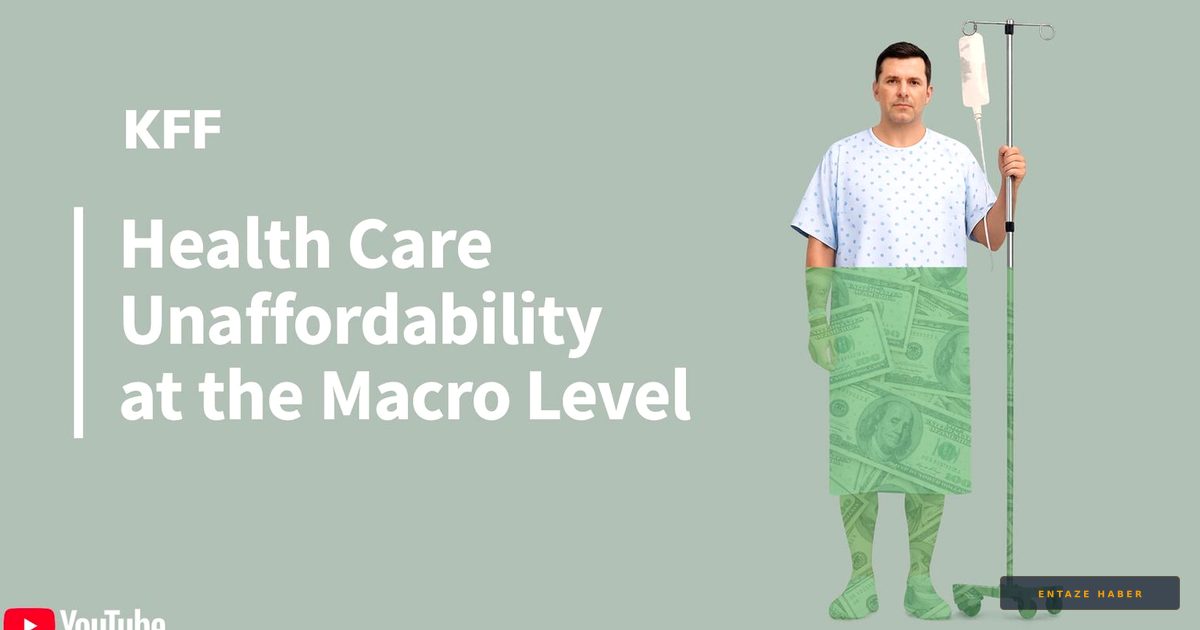
A Financial Burden Unlike Any Other
The United States stands alone in its fiscal approach to medical services, consistently outpacing other wealthy nations in healthcare expenditure. While citizens and policymakers alike have expressed alarm over these trends for decades, the financial trajectory remains firmly upward. Larry Levitt, Executive Vice President for Health Policy at KFF, highlights that the core issue is not just the price of care, but the systemic inability to curb these increases, which now demand a larger share of the national economy than ever before.

The Numbers Behind the Crisis
Data from 2024 reveals a staggering disparity: the U.S. spends $14,775 per person on healthcare, whereas other high-income nations average $7,860 per person. This represents an 88% premium over international peers. The historical context is equally sobering. In 1971, President Richard Nixon labeled the 7% of GDP being spent on healthcare a "crisis." By 2024, that figure has ballooned to 18% of the nation's total economic output. Presidents Bill Clinton in 1992 and Barack Obama in 2009 both identified these unsustainable growth rates as major threats to the nation's financial stability, yet the cycle of rising costs persists.

Who Actually Foots the Bill?
While consumers often rely on employer-sponsored insurance or government subsidies to mask the sticker price of medical services, the underlying costs remain high. These expenses eventually manifest as economic consequences elsewhere. For the public sector, ballooning medical budgets cannibalize funding for other essential government services. Private employers face a different set of pressures: as the cost of providing benefits climbs, companies are forced to choose between reducing profits, increasing product prices, or suppressing employee wage growth to remain competitive.
For the individual, the impact is direct and often devastating. Unaffordable care leads to medical debt, potential bankruptcy, and a decrease in overall quality of life. When health costs consume a larger portion of household income, families frequently skip necessary treatments, leading to poorer health outcomes in the long run.
The Path to Structural Reform
Levitt emphasizes that shifting the burden of payments—whether through government cost-cutting measures or by employers offloading expenses onto workers—is a temporary fix. True systematic affordability requires a fundamental reduction in the base cost of care. Specifically, targeting the exorbitant prices charged by hospitals and the high costs associated with prescription drugs will likely dominate the legislative agenda in the coming years. Unless these fundamental pricing structures are addressed, the U.S. will continue to struggle with a healthcare system that remains significantly more expensive than those of its global counterparts.
Recent Developments
Ongoing debates regarding medical inflation represent breaking news for millions of Americans concerned about their financial future. As the latest updates from policy experts suggest, the healthcare industry is entering a critical phase of reform. You can follow all developments instantly on MedicareTicker.com.
Related Topics
🔹 Healthcare Economics 🔹 KFF Research 🔹 Medical Debt 🔹 Insurance Premiums 🔹 Prescription Drug Pricing 🔹 Healthcare Reform 🔹 Economic Policy
State-news News
This category provides live coverage of policy shifts and economic trends impacting healthcare at both the state and federal levels. MedicareTicker.com delivers breaking news and the latest updates to keep readers informed on how national health policies affect their local communities.
Frequently Asked Questions
Why is U.S. healthcare significantly more expensive than in other countries?
The U.S. spends $14,775 per person, which is 88% higher than other high-income nations. This is largely driven by higher prices for medical services, hospital care, and prescription drugs compared to international counterparts.
How do rising health costs affect the average employee?
Rising employer-provided health benefits often lead to stagnating wages. Companies may also shift more of the premium costs directly onto the workers to maintain their own profit margins.
What is the primary solution suggested for long-term affordability?
Experts argue that the only way to achieve systemic affordability is to lower the underlying costs of care. This involves specifically targeting and reducing the prices charged by hospitals and pharmaceutical manufacturers.