Public Skepticism Grows Over U.S. Pandemic Readiness Following Ebola Outbreak
New KFF polling reveals a sharp partisan divide and rising public concern regarding U.S. pandemic preparedness and the government's response to the Congo Ebola crisis.
Shifting Public Sentiment on Global Health
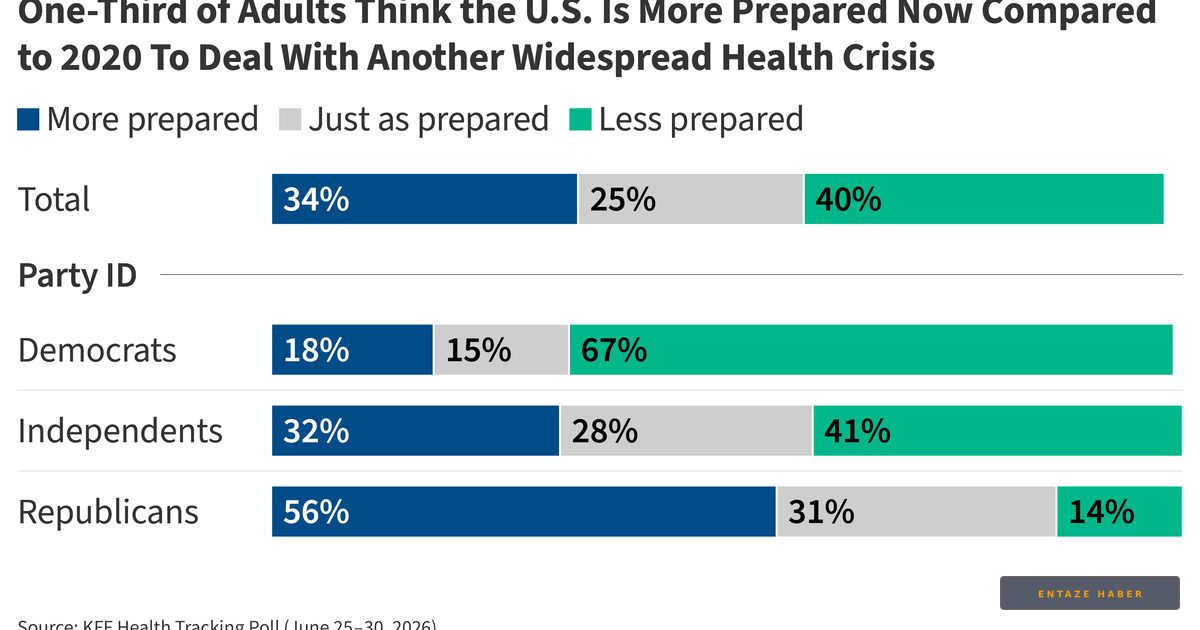
A recent KFF Health Tracking Poll indicates that a plurality of Americans now view the U.S. government as less prepared for a widespread health crisis than it was in 2020. Amidst the backdrop of a significant Ebola outbreak in the Democratic Republic of the Congo, which has resulted in over 2,000 cases and 750 deaths as of July, public confidence remains fractured. While the administration has pledged $270 million in direct Ebola response funding, the political climate surrounding this aid is colored by recent shifts in foreign policy, including the dissolution of USAID and broader cuts to public health programs.

Partisan Divides in Pandemic Preparedness
The survey highlights a stark contrast in outlooks based on political affiliation. While 67% of Democrats believe the nation is less equipped to handle a pandemic today than in 2020, 56% of Republicans express the opposite view, asserting that the country is now better prepared. This gap has widened significantly since January 2025. Notably, supporters of the 'Make America Great Again' movement report the highest levels of confidence, with 61% stating the government is more prepared, compared to 47% of non-MAGA Republicans who share that sentiment.

Evaluating the Ebola Response
When asked about the ongoing Ebola crisis in Africa, a large portion of the electorate remains undecided. Approximately 42% of respondents expressed uncertainty regarding whether the U.S. is doing enough to assist in the international fight against the virus. Among those who have formed an opinion, criticism outweighs approval. About 40% of adults believe the government is failing to do enough to prevent a domestic Ebola outbreak, and an equal percentage feel the U.S. role in Africa is insufficient. These negative assessments are particularly prominent among Democrats, with 66% stating that the U.S. effort to combat the African outbreak is inadequate.
Methodology and Data Integrity
The KFF study, conducted between June 25 and June 30, 2026, utilized a sample of 1,321 U.S. adults. Researchers employed both online surveys and telephone interviews to ensure a nationally representative demographic, including adjustments for gender, age, education, and political identification. The survey maintains a margin of error of plus or minus 3 percentage points. By adhering to rigorous quality checks—including the removal of respondents who failed attention tests or exhibited high non-response rates—the study aims to provide a clear snapshot of current American attitudes toward health policy.
Recent Developments
Public health experts are closely monitoring the latest updates from the Democratic Republic of the Congo as the Ebola outbreak continues to challenge global resources. This breaking news highlights the ongoing tension between domestic policy shifts and the requirements for robust international health security. You can follow all developments instantly on MedicareTicker.com.
Related Topics
🔹 Ebola Outbreak 🔹 Public Health Policy 🔹 KFF Health Tracking 🔹 Pandemic Preparedness 🔹 U.S. Foreign Aid 🔹 Global Health Security 🔹 Political Health Polling
State-news News
This category covers breaking news and live updates regarding government health initiatives and public policy decisions affecting the United States. MedicareTicker.com provides essential, real-time reporting on how these shifts impact the national healthcare landscape and public sentiment.
Frequently Asked Questions
Are Americans confident in the current U.S. pandemic preparedness?
Public opinion is deeply divided, with 40% of adults feeling the country is less prepared for a pandemic than it was in 2020, while 34% believe it is more prepared. This perception is heavily influenced by political affiliation.
How has the public's view on pandemic readiness changed since early 2025?
There has been a notable shift, with a 14-percentage-point increase in the number of people who believe the U.S. is less prepared for a health crisis. This trend is driven primarily by Democrats and independents, while Republican sentiment has moved toward increased confidence.
What is the primary criticism regarding the U.S. response to the Ebola outbreak?
Many Americans feel the government is not doing enough to address the situation, both domestically and internationally. However, a significant portion of the public remains undecided, with over 40% reporting they are unsure if the current response efforts are sufficient.