Medicaid Work Requirements: States Prepare for Massive 2027 Eligibility Overhaul
States are gearing up for the 2027 Medicaid work requirements mandate. Learn how new federal rules impact eligibility, outreach, and state-level implementation.
Federal Mandates for 2027 Eligibility
The 2025 reconciliation law initiates a significant shift in the American healthcare landscape, requiring 44 states to tie Medicaid eligibility to work requirements. Beginning January 1, 2027, this mandate affects adults within the Affordable Care Act (ACA) expansion group, along with specific enrollees in 1115 waiver programs, including those in non-expansion states like Georgia, Tennessee, and Wisconsin. To meet these deadlines, states must overhaul their existing enrollment systems while launching comprehensive education campaigns for both providers and managed care organizations. The Centers for Medicare and Medicaid Services (CMS) released an interim final rule on June 1, 2026, providing the regulatory framework for these outreach efforts.

Lessons from the Medicaid Unwinding
State officials are leveraging insights gained during the 2023 Medicaid unwinding process to navigate these upcoming requirements. During that period, states performed rigorous eligibility redeterminations, which served as a testing ground for communication strategies. Insights from the 23rd annual budget survey of Medicaid officials highlight the importance of clear, accessible messaging. However, the current transition poses unique difficulties. Unlike the unwinding, these new rules apply only to specific subsets of the population, forcing states to craft precise notices that clearly distinguish between those subject to the requirements and those who are exempt.

Mandatory Notification Timelines
Federal guidelines dictate strict timelines for enrollee notification. States must send targeted notices to all expansion adults and applicable 1115 waiver enrollees to ensure no one is missed due to fluctuating circumstances. These notices must clearly outline compliance methods, potential penalties, and the specific 'look-back' period used for verification. For states planning a one-month look-back starting January 1, 2027, outreach notices must reach enrollees by September 2026. States utilizing a three-month look-back must initiate these communications as early as July 2026.
State-Specific Outreach Innovations
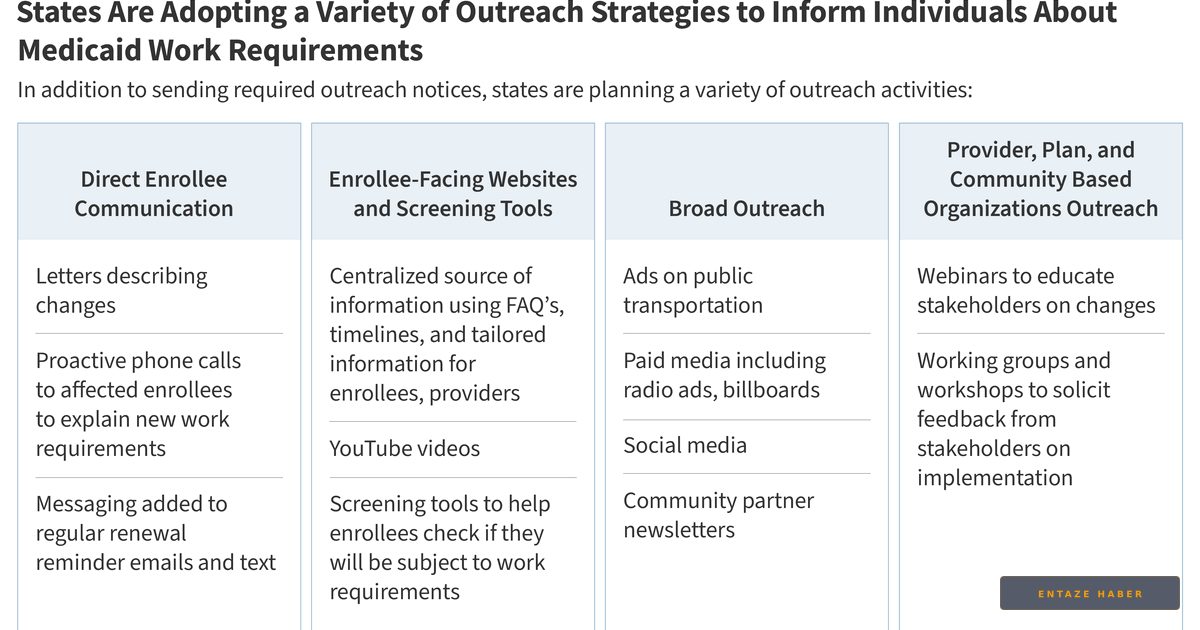
States are adopting creative methods to ensure compliance and clarity. Nebraska and Montana have already begun drafting notices, though some early efforts require adjustments to align with the latest CMS rules. Pennsylvania is exploring color-coded envelopes to help navigators instantly identify which enrollees are subject to the new mandates. Meanwhile, Nevada is facilitating public discussions to determine if terms like 'community engagement' are more effective than 'work requirements' for increasing public participation. These diverse strategies highlight the logistical burden states face in maintaining workforce capacity while managing complex call center operations.
Recent Developments
As the January 2027 deadline approaches, states are actively refining their implementation strategies to ensure compliance with federal mandates. This breaking news highlights the latest updates in Medicaid policy, emphasizing the critical role of state-level outreach efforts. You can follow all developments instantly on MedicareTicker.com.
Related Topics
🔹 Medicaid Expansion 🔹 CMS Regulatory Policy 🔹 Healthcare Enrollment 🔹 ACA Updates 🔹 Public Health Administration 🔹 1115 Waivers 🔹 Social Safety Net
State-news News
This category provides coverage on legislative changes and administrative shifts occurring at the state level across the U.S. We deliver breaking news and the latest updates on healthcare policy, ensuring our readers have a live look at how national mandates affect local populations. All content is curated by the editorial team at MedicareTicker.com.
Frequently Asked Questions
When do the new Medicaid work requirements take effect?
The mandates are scheduled to begin on January 1, 2027. States are expected to initiate their outreach and notification processes throughout the latter half of 2026.
Who is subject to these new work requirements?
The requirements apply to adults in the ACA Medicaid expansion group and certain enrollees in 1115 waiver programs. Certain groups, such as the medically frail or parents of children under 14, are generally excluded.
Why must states send notices to all enrollees if only some are affected?
CMS mandates this to ensure no eligible individuals are inadvertently disenrolled. Because states may lack real-time data on individual exemptions, broad notification ensures that everyone is informed of their potential status and requirements.