Global HIV Funding Plummets by $2.1 Billion as U.S. Support Retreats
International HIV funding dropped to 2007 levels in 2025, driven by a sharp decline in U.S. disbursements. Discover the impact on global health initiatives.
A Historic Decline in Global Health Support
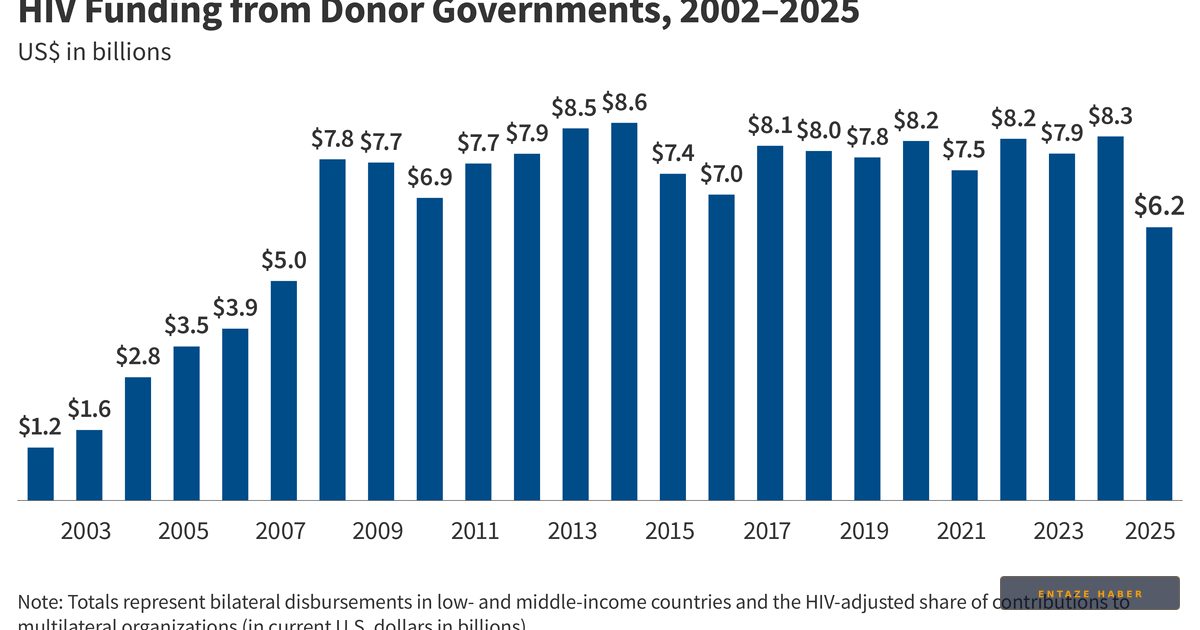
International efforts to combat the HIV epidemic have suffered a massive financial blow in 2025. A report released by KFF and UNAIDS reveals that donor government contributions fell by $2.1 billion, a 25% decrease compared to the previous year. This sudden contraction brings total disbursements down to $6.2 billion, marking the lowest level of international HIV funding since 2007. This shift represents the most significant annual drop since the global community began scaling up resources to address the virus.

The Impact of U.S. Policy Shifts
The primary driver behind this downturn is the United States, which remains the world’s largest donor for HIV programs. U.S. disbursements plummeted from $6.7 billion in 2024 to $4.6 billion in 2025. This $2.1 billion reduction stems from major changes to foreign assistance programs under the current administration, which included the cancellation of various projects and the dismantling of the U.S. Agency for International Development (USAID).

While the U.S. Congress continues to authorize funding levels that keep capital in the pipeline, the administration’s "America First Global Health Strategy" signals a long-term intention to scale back support over the next five years. Consequently, even though money is appropriated, the actual delivery of these funds remains uncertain.
Multilateral and Bilateral Funding Gaps
Both direct bilateral aid and contributions to multilateral organizations felt the impact of these policy changes. Bilateral funding, which goes directly to recipient nations, dropped by $1.5 billion, or 26%. Meanwhile, multilateral contributions—directed toward organizations like the Global Fund, Unitaid, and UNAIDS—fell by $581 million, a 23% decline.
Outside of the United States, funding from other nations remained stagnant in 2025. However, a broader look at the last 15 years reveals a troubling trend: excluding the U.S., global HIV funding from other donors has fallen by nearly 50% since 2011. This leaves the global HIV response increasingly dependent on U.S. financial stability, making the entire ecosystem vulnerable to shifts in American domestic policy.
Future Uncertainties for HIV Response
The OECD Development Assistance Committee reported a 23% drop in overall official development assistance for 2025, with projections indicating further decreases in 2026. As the U.S. adopts a more restrictive strategy, global health advocates are concerned about the sustainability of programs in low- and middle-income countries. With the U.S. providing 74% of total donor funding in 2025, any further reductions could jeopardize years of progress in HIV prevention and treatment.
Recent Developments
Recent reports confirm a significant contraction in global health financing, marking a critical moment for international medical aid. This breaking news highlights the volatility of public health funding as the latest updates from official agencies continue to emerge. You can follow all developments instantly on MedicareTicker.com.
Related Topics
🔹 Global Health Policy 🔹 HIV/AIDS Funding 🔹 U.S. Foreign Aid 🔹 UNAIDS 🔹 Global Fund 🔹 International Development 🔹 Public Health Economics
State-news News
This category provides breaking news and the latest updates on government policy and state-funded initiatives. MedicareTicker.com remains live with coverage of how these legislative and budgetary decisions impact public health and global welfare.
Frequently Asked Questions
Why did HIV funding drop so significantly in 2025?
Funding fell by $2.1 billion primarily due to major policy changes in the United States. The current administration halted and slowed disbursements as part of a transition toward the "America First Global Health Strategy."
How does U.S. funding compare to other donor nations?
The U.S. accounts for 74% of all donor government funding for HIV, making it the dominant contributor. While other nations have kept their funding levels relatively flat in the short term, their overall contributions have declined by 50% since 2011.
Is future HIV funding guaranteed by the U.S. Congress?
While Congress continues to appropriate funds for HIV, the administration has the discretion to hold or redirect these resources. Therefore, the actual spending of these appropriated funds remains uncertain under the current strategic framework.