Medicare Advantage Bonus Payments to Surge Past $13 Billion in 2026
Medicare is projected to spend over $13.4 billion on quality bonuses for Medicare Advantage plans in 2026. Discover how these incentive payments impact coverage.
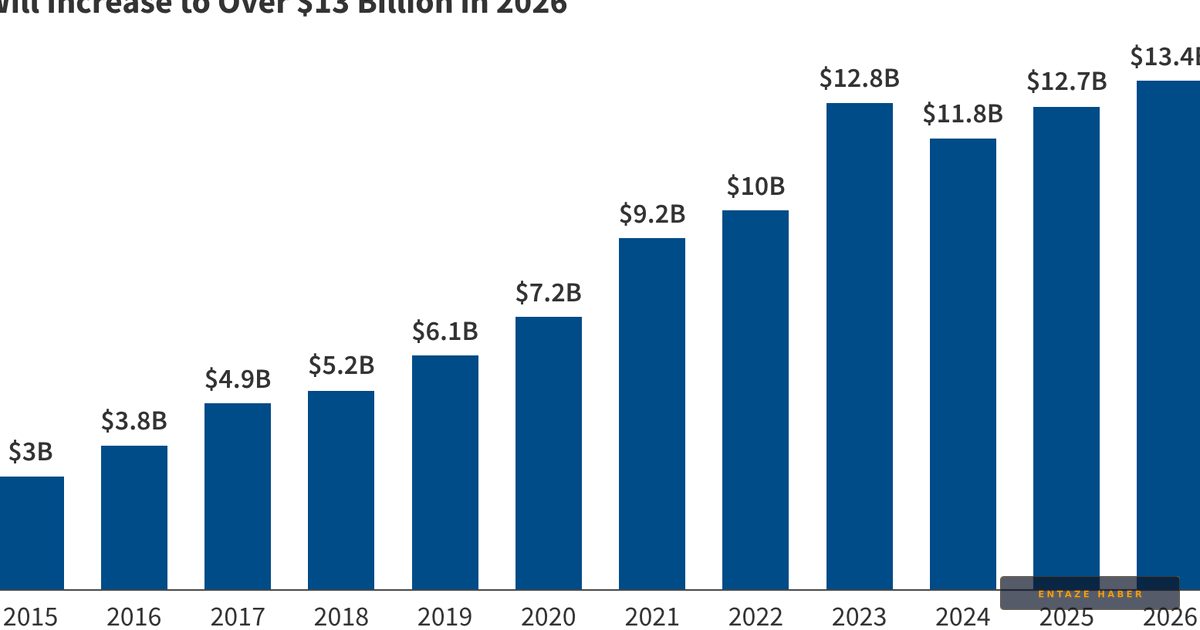
Mounting Federal Costs for Medicare Quality Incentives
Medicare is set to allocate at least $13.4 billion toward the Medicare Advantage Quality Bonus Program in 2026, marking a significant rise from the $12.7 billion spent in 2025. Since the program’s inception, expenditures have climbed sharply, more than quadrupling from the $3.0 billion recorded in 2015. This financial commitment represents 2.3% of the projected $574 billion in total payments to Medicare Advantage plans for the coming year. These figures likely underestimate the true fiscal impact, as they assume beneficiaries possess average health status; higher coding intensity could push actual spending even higher.

Shifting Enrollment and Performance Trends
Approximately 24 million individuals, or 68% of the total Medicare Advantage population, are enrolled in plans eligible for bonus payments in 2026. This reflects a decline from the 2025 figures, where 26 million enrollees, or 75% of the total, were covered by bonus-eligible plans. The reduction stems from stricter performance thresholds set by the Centers for Medicare & Medicaid Services (CMS). Specifically, the number of contracts achieving a four-star rating or higher fell to 209 in 2026, down from 261 the previous year. These ratings evaluate roughly 40 metrics, including preventative screening rates and customer service quality.

Disparities in Bonus Allocations by Plan Type
Payment increases vary significantly based on plan structure. Employer- and union-sponsored Medicare Advantage plans receive the highest average bonus per person at $466. In comparison, individual plans receive an average of $381, while special needs plans lag behind at $318 per enrollee. Because employer-sponsored plans consistently maintain high ratings, they capture a disproportionate share of total bonus funding—accounting for 20% of the spending despite representing only 16% of total enrollment.
Corporate Variations in Federal Funding
Large insurers capture vastly different shares of this federal funding. UnitedHealth Group, which serves roughly 26% of all Medicare Advantage enrollees, is slated to receive $3.9 billion, or 29% of the total bonus pool. Conversely, Humana Inc. faces a smaller windfall of $1.5 billion, representing 11% of bonus spending, due to a recent decline in its average star ratings. Legal challenges regarding these rating methodologies have become common, with insurers occasionally forcing CMS to recalculate results.
Recent Developments
Federal spending on Medicare Advantage quality bonuses continues to be a focal point of breaking news regarding national healthcare policy. As stakeholders monitor the latest updates on insurance plan performance and CMS rating adjustments, the financial implications remain a critical topic in live news coverage. You can follow all developments instantly on MedicareTicker.com.
Related Topics
🔹 Medicare Advantage 🔹 CMS Quality Ratings 🔹 Healthcare Policy 🔹 Federal Spending 🔹 Insurance Bonuses 🔹 Medicare Enrollment 🔹 Healthcare Finance
Comparisons News
This category provides essential coverage on the shifting landscape of federal health programs, including the latest updates on payment structures and plan efficiency. MedicareTicker.com delivers live, breaking news to help stakeholders compare how policy changes impact both providers and beneficiaries. We ensure you stay informed on the most critical financial trends in the healthcare sector.
Frequently Asked Questions
What is the Medicare Advantage Quality Bonus Program?
This federal initiative provides additional payments to Medicare Advantage plans that achieve a star rating of four or higher. The goal is to incentivize high-quality care, though plans have discretion on how to use these extra funds for supplemental benefits.
Why did the number of bonus-eligible plans drop in 2026?
The decline is primarily due to stricter performance benchmarks established by CMS. With fewer contracts meeting the required four-star threshold, the total percentage of enrollees in bonus-eligible plans decreased compared to previous years.
How does the bonus program affect Medicare spending?
Beyond the $13.4 billion in direct bonus payments, the program influences broader fiscal pressures within Medicare. Critics argue that these bonuses, combined with high coding intensity, contribute to rising benchmarks that exceed costs seen in traditional Medicare.