Medicare Faces Financial Crossroads: 2026 Trustees Report Reveals Soaring Costs and Trust Fund Depletion
The 2026 Medicare Trustees report highlights a 2033 trust fund depletion date and rising costs for beneficiaries. Get the latest on Medicare spending trends here.
Financial Outlook and Trust Fund Solvency
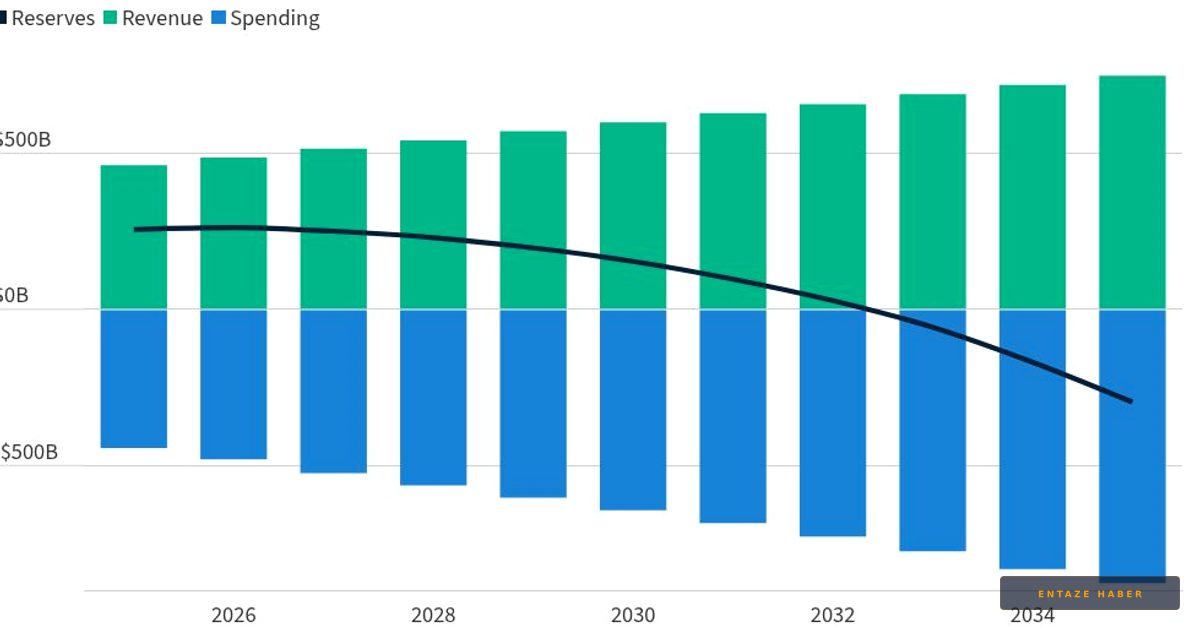
On June 9, 2026, the Medicare Trustees released their annual assessment of the program's financial health, delivering a sobering outlook for the national healthcare system. The most pressing revelation from the document is the anticipated exhaustion of the Medicare Part A trust fund by the second quarter of 2033. This timeline marks an acceleration of one quarter compared to the previous year’s projections. The Trustees attribute this shift largely to reduced Social Security tax revenue, impacted by recent legislative changes within the 2025 budget reconciliation bill, known as H.R. 1. If the trust fund hits zero, the program will face a critical shortfall in its ability to cover inpatient hospitalizations, skilled nursing stays, and hospice care without immediate legislative intervention or structural funding adjustments.

Shifting Expenditures: Part B and Part D Dynamics
Total Medicare benefit payments reached a staggering $1.2 trillion in 2025, nearly doubling the $666 billion recorded a decade prior. A significant portion of this capital—48%—was funneled into Part B services, which cover physician visits and outpatient procedures. Interestingly, the traditional dominance of Part A inpatient spending has waned, dropping from 43% in 2016 to 37% by 2025. This transition reflects a broader medical industry trend of moving complex procedures from hospital beds to outpatient settings. Simultaneously, Part D prescription drug spending is surging. Analysts now project that Part D costs will climb from $181 billion in 2025 to $346 billion by 2035. This accelerated growth is primarily fueled by the widespread utilization of high-cost GLP-1 medications and specialty pharmaceuticals, alongside policy changes that shifted more financial liability onto federal subsidies.

The Rise of Medicare Advantage and Beneficiary Costs
Medicare Advantage (MA) now commands a dominant role in federal healthcare spending. In 2025, payments to MA plans hit $534 billion, accounting for 53% of total program expenditures. With 54% of eligible seniors now enrolled in private plans, the government continues to pay an estimated 14% more per enrollee compared to traditional Medicare, resulting in a $76 billion premium in federal spending. These elevated payments are linked to intensive coding practices and favorable patient selection.
As program costs climb, the financial burden is increasingly passed to seniors. The Trustees project that the monthly Part B premium will rise from $203 in 2026 to $210 in 2027. Furthermore, the Part A hospital deductible is slated to increase to $1,788. With millions of beneficiaries already spending over 10% of their income on Part B premiums alone, these rising out-of-pocket costs threaten to outpace the income growth of the average retiree.
Recent Developments
Stakeholders and policymakers are closely monitoring the latest updates regarding the 2026 Medicare Trustees report as it serves as breaking news for the American healthcare system. These findings influence live news discussions surrounding federal budget priorities and long-term solvency solutions for the aging population. You can follow all developments instantly on MedicareTicker.com.
Related Topics
🔹 Medicare Solvency 🔹 Healthcare Policy 🔹 Medicare Advantage 🔹 Prescription Drug Costs 🔹 Federal Budget 🔹 Senior Health Benefits 🔹 Part D Spending
Comparisons News
This category provides a comprehensive look at the evolution of federal healthcare programs, offering critical comparisons of spending patterns and policy impacts. MedicareTicker.com delivers breaking news and the latest updates on these financial projections, ensuring that the public stays informed on live developments affecting health coverage.
Frequently Asked Questions
When is the Medicare Part A trust fund expected to run out of money?
The Medicare Trustees project the Part A trust fund will reach depletion in the second quarter of 2033. This is one quarter earlier than previously expected due to changes in tax revenue projections.
Why is spending on Medicare Advantage significantly higher than traditional Medicare?
Medicare pays an estimated 14% more per enrollee for Medicare Advantage plans than it does for traditional Medicare. This difference is largely attributed to higher coding intensity and the selection of healthier beneficiaries into private plans.
How will the rising costs of Medicare affect monthly premiums for seniors?
Beneficiaries should expect higher out-of-pocket costs as the program attempts to manage rising expenditures. For example, the monthly Part B premium is projected to increase to $210 in 2027, potentially placing a strain on retirees with fixed incomes.