Medicare Advantage Rebates Trigger Crisis for Stand-Alone Drug Plans
Medicare Advantage rebates are squeezing stand-alone drug plans, creating an uneven playing field for traditional Medicare beneficiaries in 2026.

The Growing Divide in Part D Coverage
The landscape for Medicare Part D prescription drug coverage is undergoing a seismic shift, leaving beneficiaries in traditional Medicare with fewer and more expensive choices compared to those in Medicare Advantage plans. At the heart of this issue is a structural financial advantage that allows Medicare Advantage Prescription Drug plans (MA-PDs) to leverage federal rebates to artificially suppress premiums, a luxury not afforded to stand-alone Prescription Drug Plans (PDPs).
Market Instability and Declining Options
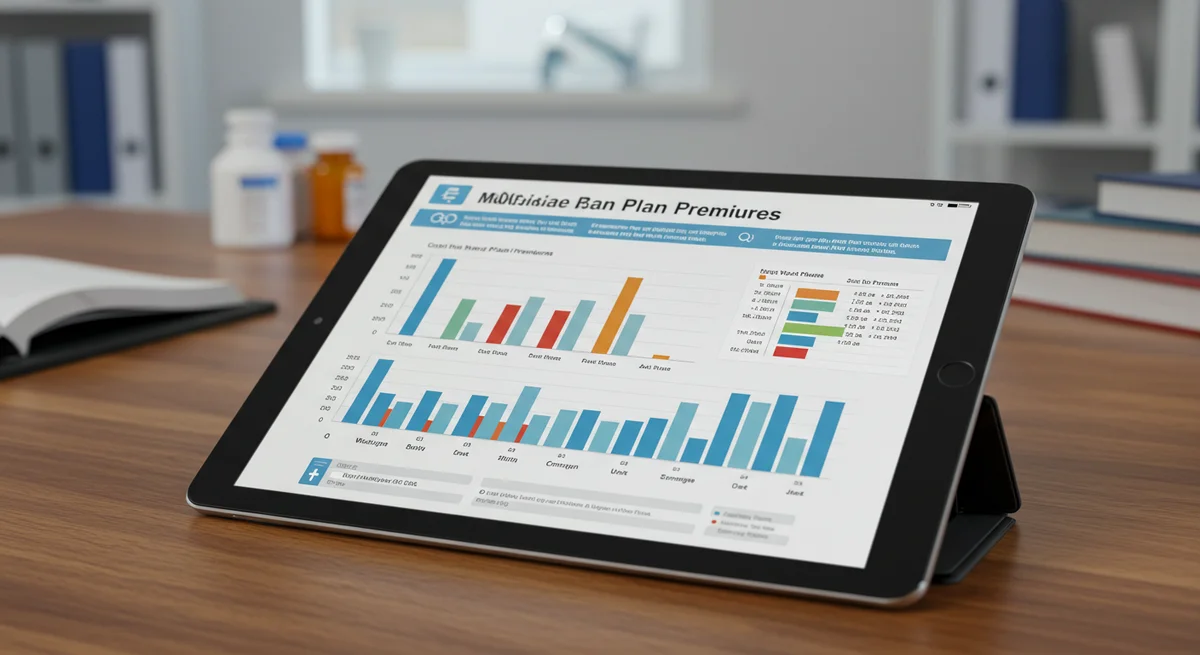
Recent data highlights a stark contraction in the stand-alone market. Over the past five years, the average number of PDPs available to a beneficiary has plummeted from 30 in 2021 to just 11 in 2026. Conversely, the MA-PD market has maintained a robust presence, with the average beneficiary now having access to 32 plan options. This disparity is even more pronounced for low-income individuals; the number of premium-free "benchmark" PDPs has dropped from eight to only two during the same period, severely limiting affordable access for the most vulnerable.
The Financial Advantage of Rebates
The Medicare Advantage payment system enables insurers to retain a portion of federal payments—known as rebates—if their medical service costs fall below specified benchmarks. These funds are frequently funneled into Part D coverage to buy down premiums or enhance benefits. In 2026, MA-PD sponsors are expected to allocate over $600 per enrollee toward these enhancements, or roughly $53 per member each month. This infusion of capital allows nearly 80% of individual MA-PD enrollees to pay zero premiums for drug coverage, a feat that stand-alone plans, currently receiving only $16 per member per month in temporary federal stabilization subsidies, simply cannot match.
Federal Mitigation Efforts
To combat the volatility caused by the Part D benefit redesign under the Inflation Reduction Act, the government has implemented a 6% cap on annual growth for the base beneficiary premium. This cap provides a direct subsidy to both PDP and MA-PD sponsors, effectively absorbing some of the cost increases. Additionally, the voluntary PDP Premium Stabilization Demonstration was launched to provide temporary financial relief specifically to stand-alone plans. Despite these interventions, the total federal cost of rebates used by Medicare Advantage plans for premium buydowns—projected at $13 billion in 2026—dwarfs the $3.6 billion allocated to PDP stabilization subsidies. This structural imbalance continues to place traditional Medicare beneficiaries at a distinct financial disadvantage.
Recent Developments
Industry experts are closely monitoring the impact of the Inflation Reduction Act on Part D costs as the latest updates emerge. This breaking news highlights a significant shift in how beneficiaries access essential medications. You can follow all developments instantly on MedicareTicker.com.
Related Topics
🔹 Medicare Advantage 🔹 Prescription Drug Coverage 🔹 Inflation Reduction Act 🔹 Healthcare Policy 🔹 Part D Reform 🔹 Insurance Market Trends
Comparisons News
MedicareTicker.com provides comprehensive coverage of the insurance market, focusing on how policy changes impact beneficiary costs. We offer live, breaking news and the latest updates on the competitive dynamics between traditional Medicare and private alternatives.
Frequently Asked Questions
Why do Medicare Advantage plans often cost less for drugs?
Medicare Advantage plans receive federal rebates that they can use to subsidize Part D premiums. Stand-alone drug plans do not receive these specific rebates, making it harder for them to offer zero-premium options.
Are there fewer stand-alone drug plans available today?
Yes, the number of stand-alone PDPs has declined significantly over the last five years. This decrease limits the variety of affordable options for those enrolled in traditional Medicare.
What is the purpose of the PDP Premium Stabilization Demonstration?
This program provides temporary financial subsidies to stand-alone drug plans to prevent major premium spikes. It was created to help these plans adjust to the cost pressures resulting from recent Part D benefit redesigns.