ACA Enrollment Plummets by 3 Million Following Tax Credit Expiration
Federal data reveals a 13% drop in ACA Marketplace enrollment as premium costs surge following the expiration of enhanced tax credits.
Enrollment Slump Hits ACA Marketplaces
Recent federal figures released on Friday, June 26, indicate a significant contraction in the Affordable Care Act (ACA) Marketplace participation. Following the sunset of enhanced premium tax credits at the start of 2026, enrollment numbers saw a sharp decline. Statistics provided by the Department of Health and Human Services (HHS) show that the total number of enrollees fell from a peak of 22.1 million in 2025 to 19.2 million by February 2026, representing a 13% reduction in coverage.

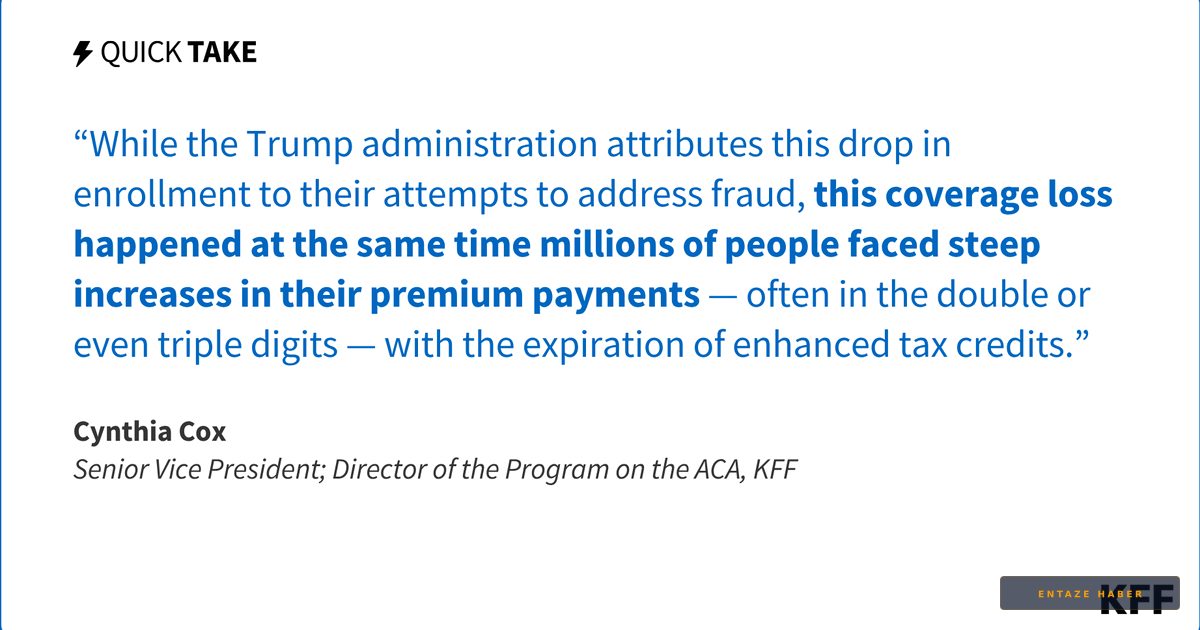
While officials within the Trump administration point to active measures taken to mitigate fraud as a primary driver for these changes, the timing of the decline aligns directly with the cessation of federal subsidies. Many households faced massive spikes in their monthly obligations, with some reporting premium increases reaching triple-digit percentages. This financial pressure has forced millions to reconsider the feasibility of maintaining their health plans.
The Reality of Effectuated Coverage

This HHS report marks the first official glimpse into 2026 "effectuated enrollment," a metric that filters out those who signed up but failed to finalize their status through actual payment. Earlier projections based solely on initial signups suggested a more modest decline of 1 million participants, or roughly 5%. However, the latest figures confirm that the actual loss of coverage is significantly more severe than initial estimates suggested.
Effectuated enrollment provides a clearer picture of the landscape because it excludes individuals who may have been automatically reenrolled or selected a plan but subsequently allowed their coverage to lapse due to non-payment. Because the ACA Marketplace frequently serves as a vital safety net for those lacking employer-sponsored options and who do not qualify for Medicare or Medicaid, this drop-off raises urgent questions about the number of Americans currently left without any form of health insurance.
Recent Developments
Stay informed with our breaking news coverage as we monitor shifts in federal healthcare policy. We provide the latest updates on how legislative changes impact insurance affordability, keeping you connected through our live news feed. You can follow all developments instantly on MedicareTicker.com.
Related Topics
🔹 ACA Enrollment 🔹 Health Insurance Costs 🔹 Federal Healthcare Policy 🔹 Medicaid Expansion 🔹 Premium Tax Credits 🔹 HHS Reports 🔹 Marketplace Insurance
Comparisons News
This category focuses on comparing healthcare policy changes and their direct effects on American consumers. At MedicareTicker.com, we provide breaking news and the latest updates on how federal decisions impact your wallet. Keep your coverage analysis live and accurate by checking back for our ongoing coverage.
Frequently Asked Questions
Why did ACA enrollment drop by 3 million?
Enrollment decreased primarily because enhanced federal premium tax credits expired, leading to significant cost increases for many policyholders. Additionally, the new data accounts for "effectuated enrollment," excluding individuals who signed up but did not complete their premium payments.
What is the difference between signups and effectuated enrollment?
Signups represent the initial number of people who selected a plan during the enrollment period. Effectuated enrollment is a more accurate metric that only counts individuals who have successfully made their premium payments to keep their coverage active.
Who is most affected by these changes?
Those most affected are individuals who do not have access to affordable employer-sponsored health insurance and do not qualify for government programs like Medicare or Medicaid. These individuals rely on the ACA Marketplace as a final option for obtaining health coverage.