New CMS Medicaid Rules: What the 'Medically Frail' Exemption Means for States
CMS has issued a final rule on Medicaid work requirement exemptions. Learn how the new 'medically frail' definitions impact state implementation and coverage.
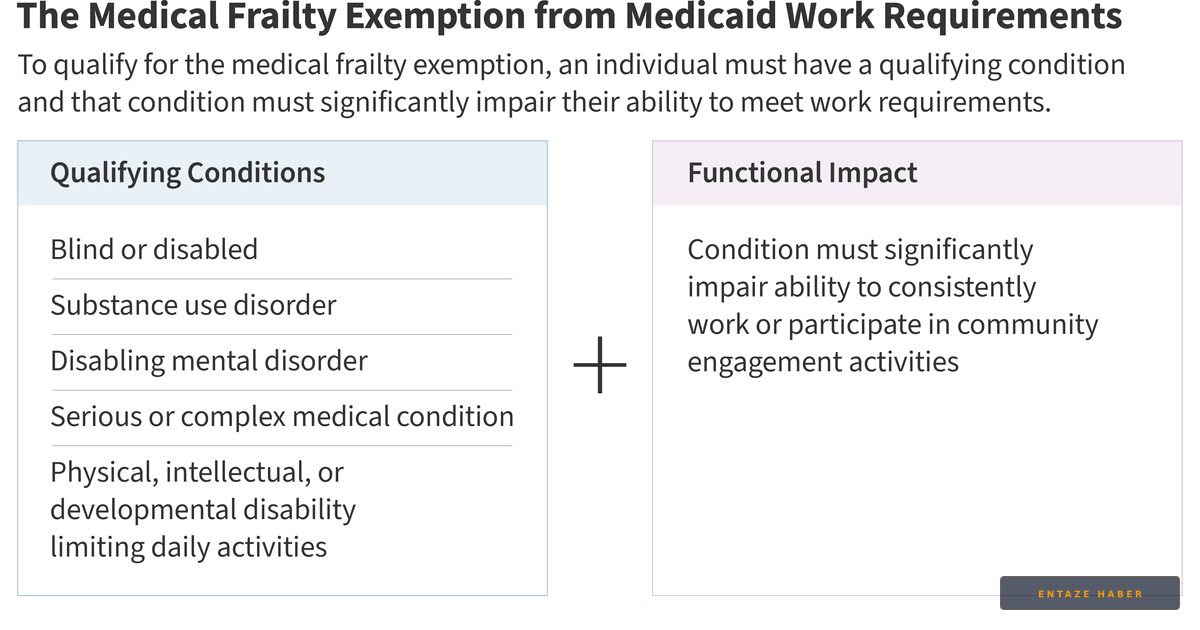
Navigating the New CMS Medical Frailty Standards
The Centers for Medicare and Medicaid Services (CMS) released an interim final rule on June 1, 2026, setting the stage for how states must handle Medicaid work requirements. With a 2025 reconciliation law mandating that 44 states tie Medicaid eligibility to work or community engagement by January 1, 2027, the clock is ticking for state administrators. A critical component of this transition is the 'medically frail' exemption, which protects vulnerable enrollees from losing coverage. However, the new federal guidance introduces complex layers of oversight that may force states to overhaul their current operational strategies.

Redefining Frailty and Compliance Risks
Unlike initial state expectations, the CMS rule mandates a strict interpretation of medical frailty. It is no longer enough for an individual to simply fall into one of the five statutory categories—such as those with substance use disorders, physical disabilities, or complex medical conditions. States must now verify that these conditions actively impede an individual’s ability to participate in work or volunteer activities. This dual-requirement threshold creates significant administrative hurdles. States are now required to maintain and regularly update lists of diagnosis codes to identify exempt individuals. CMS has made it clear that these lists are subject to federal audits; any state found to be misclassifying individuals or failing to justify exemptions could face severe financial penalties.

The Challenge of Data-Driven Verification
CMS expects states to rely primarily on claims and encounter data from the preceding 12 months to confirm an individual's status. The rule explicitly prohibits the use of data older than one year, as it may not reflect the current health status of the enrollee. However, relying solely on claims data presents a major technical challenge. Many new applicants lack a 12-month claims history, and inconsistent coding practices by healthcare providers can lead to gaps in identifying those who qualify for an exemption.
Furthermore, the rule discourages simple diagnostic-based verification. Because the mandate requires proof of functional impairment, states must potentially build complex algorithms that combine hospital utilization, prescription records, and durable medical equipment data to assign acuity scores. This puts immense pressure on state IT departments to deploy sophisticated systems within a very tight six-month window.
Provider Documentation and Self-Attestation Limits
States looking to bridge the data gap through provider verification face additional friction. Relying on physicians to certify a patient's inability to work can create ethical dilemmas and increase administrative burdens on an already strained clinical workforce. Research indicates that providers may hesitate to sign such forms, potentially leading to coverage disruptions for patients who truly qualify for the exemption.
While the rule offers a temporary lifeline by allowing self-attestation throughout 2027, this flexibility expires on January 1, 2028. Beyond that date, states may only accept self-attestation once per enrollment period. Following that, they must revert to more rigorous data verification or formal documentation. Additionally, the mandate requires states to reverify frailty status at least every 12 months, even for conditions that are permanent or chronic, ensuring that administrative tasks remain a constant feature of the program.
Recent Developments
The implementation of these new Medicaid standards is currently a major focus of breaking news within the healthcare sector. As states scramble to meet the January 1, 2027 deadline, the latest updates from CMS are driving significant policy shifts across the nation. You can follow all developments instantly on MedicareTicker.com.
Related Topics
🔹 Medicaid Reform 🔹 CMS Policy 🔹 Healthcare Coverage 🔹 Work Requirements 🔹 Public Health Policy 🔹 Medical Exemptions
State-news News
This category provides breaking news and coverage on state-level policy changes that impact public health programs. We provide live updates and in-depth reporting on how shifting federal mandates affect residents across the country, ensuring you stay informed via MedicareTicker.com.
Frequently Asked Questions
What are the five categories of medical frailty?
The five categories include individuals who are blind or disabled, those with physical or intellectual disabilities, individuals with substance use disorders, those with disabling mental health disorders, and people with serious or complex medical conditions.
Can states use old medical records to verify frailty?
No, the rule prohibits the use of data older than 12 months. States must ensure that any verification data reflects the individual's current health and functional status.
When does the self-attestation period end?
States may accept self-attestation of medical frailty throughout 2027. Starting January 1, 2028, states can only accept self-attestation once during an individual's enrollment period.