US Uninsured Population Surges: Millions Lose Coverage in 2024
Health coverage in the U.S. faces a sharp decline as millions lose Medicaid, pushing the uninsured rate to 9.8%. Discover the latest data on coverage trends.
Rising Uninsured Rates Among Americans
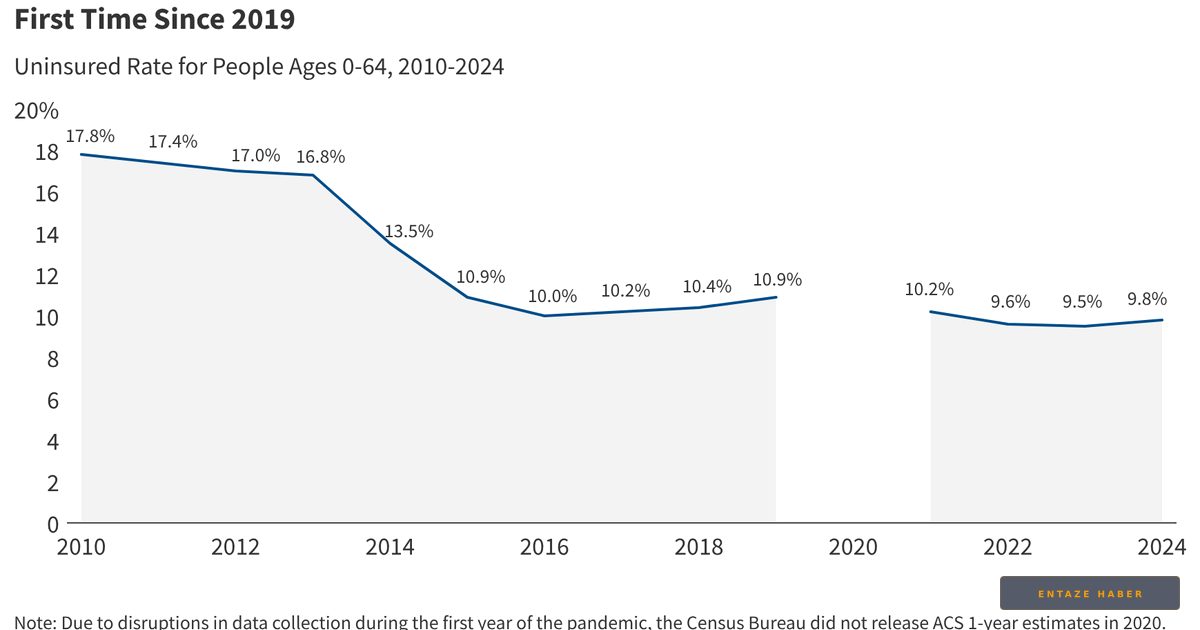
For the first time since 2019, the United States saw a significant uptick in the number of individuals lacking health insurance. According to 2024 data, the population of uninsured people under age 65 grew by more than 1.3 million, reaching a total of 26.7 million. This shift pushed the national uninsured rate from 9.5% to 9.8%, signaling a concerning reversal in coverage gains achieved during the pandemic era.

The Impact of Medicaid Unwinding
The primary driver of this trend remains the conclusion of the Medicaid continuous enrollment provision. Following the pandemic, states initiated an eligibility redetermination process—often called the Medicaid unwinding—which resulted in millions of enrollees losing their coverage. While some transitioned to the Affordable Care Act (ACA) Marketplace, many found the available options unaffordable, especially as enhanced subsidies faced expiration. This administrative shift highlights the fragility of current safety nets for low-income families.

Socioeconomic Barriers to Coverage
Financial constraints remain the most cited reason for being uninsured. In 2024, approximately 61.7% of adults aged 18-64 reported that health insurance costs were simply out of reach. Furthermore, the divide between states that expanded Medicaid and those that did not remains stark. Individuals in non-expansion states are nearly twice as likely to lack coverage (14.5%) compared to their counterparts in expansion states (8.0%). This disparity is compounded by the fact that over 80% of the uninsured belong to low-income families, with a significant majority having at least one worker in the household, yet lacking access to employer-sponsored plans.
Consequences for Patient Health and Finance
Living without insurance creates immediate barriers to necessary medical care. Nearly 39% of uninsured adults reported skipping or delaying essential treatments or medication due to price tags in 2024. The financial fallout is equally severe; 59% of uninsured individuals struggle with healthcare-related expenses, often leading to medical debt, the depletion of savings, and reliance on predatory lending options. For those managing chronic conditions, the lack of coverage can be life-altering, as they are far less likely to receive the ongoing management required to prevent long-term health deterioration.
Projected Future Coverage Losses
Looking ahead, the Congressional Budget Office (CBO) offers a sobering outlook. Projections indicate that over 14 million additional people could find themselves uninsured by 2034. This estimate accounts for the expiration of enhanced tax credits and shifting administrative policies that threaten to further reduce accessibility. As the landscape evolves, vulnerable populations, including immigrants and low-income workers, face the greatest risk of falling through the gaps of an increasingly complex system.
Recent Developments
The landscape of American healthcare is shifting rapidly as breaking news highlights a major decline in coverage rates across the country. These latest updates indicate that millions are struggling to maintain access to care following recent policy changes, making live news on this topic essential for healthcare advocates. You can follow all developments instantly on MedicareTicker.com.
Related Topics
🔹 Medicaid Unwinding 🔹 Healthcare Affordability 🔹 ACA Marketplace 🔹 Health Insurance Coverage 🔹 Medical Debt Crisis 🔹 Public Health Policy 🔹 Chronic Care Access
State-news News
This category provides comprehensive coverage of breaking news regarding regional and national health policy shifts. We monitor the latest updates and live developments across various states to ensure our readers stay informed about how legislative changes impact their personal health security. MedicareTicker.com serves as your primary source for these critical policy updates.
Frequently Asked Questions
Why did the uninsured rate increase in 2024?
The rise in the uninsured rate was primarily driven by the end of the Medicaid continuous enrollment provision. As states resumed eligibility checks, millions of people were disenrolled, and many were unable to secure alternative affordable coverage.
How does being uninsured affect medical debt?
Uninsured individuals are significantly more likely to face financial distress, with 62% reporting health care debt. They frequently resort to using up personal savings or borrowing money to cover costs, which is far more common than among those with insurance.
Are children more affected by these coverage losses?
Yes, the uninsured rate for children saw a steeper increase compared to adults between 2023 and 2024. The rate for children rose from 5.3% to 5.9%, largely due to a sharper decline in Medicaid enrollment within that age group.