Vital Lifelines: How Immigrant Professionals Sustain the U.S. Healthcare System
Discover how immigrant workers fill critical roles in U.S. healthcare and agriculture, and why current policy shifts could impact national labor shortages.
Immigrant Labor Power in American Healthcare
The landscape of the American workforce is undergoing a significant transformation. Recent data highlights that immigrants remain a cornerstone of the U.S. economy, particularly within the healthcare sector. As of 2024, approximately 31 million immigrants, representing 19% of the total domestic workforce, continue to provide essential labor across diverse industries. With the United States facing an aging population and a growing need for medical services, the stability of this workforce is paramount to maintaining national health standards.

Shifting Demographics in the Workforce
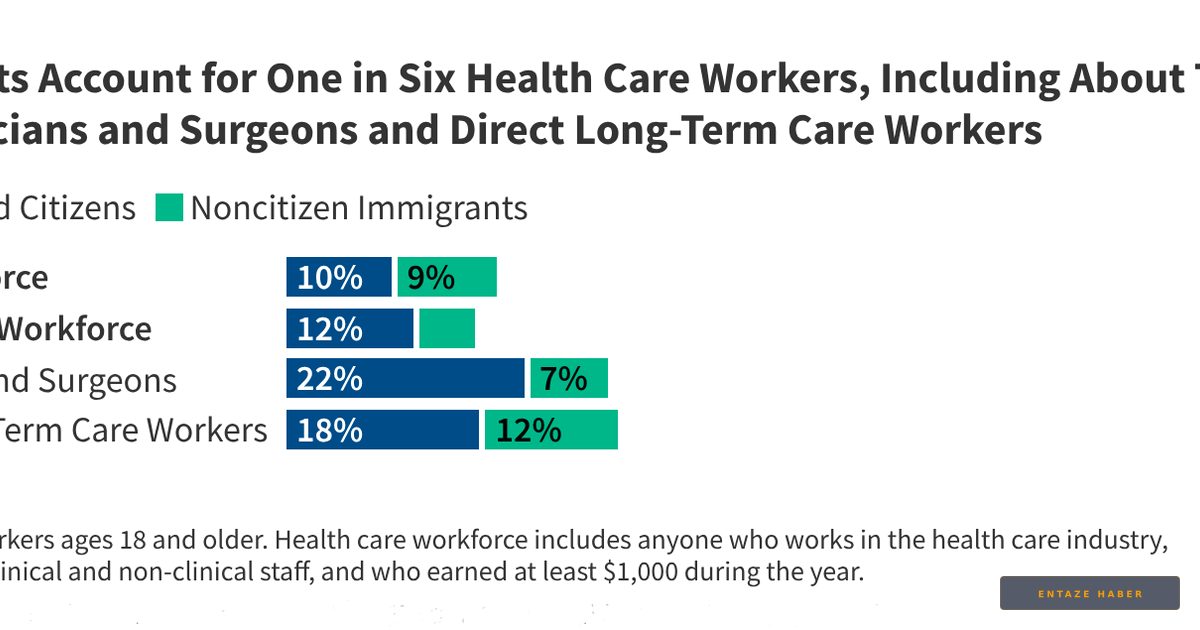
Between January 2025 and April 2026, the composition of the immigrant labor force experienced notable fluctuations. While the total number of immigrant workers remained relatively stable, the segment of noncitizen immigrant workers decreased by 600,000, falling from 15.4 million to 14.8 million. Conversely, the number of naturalized citizen workers grew by roughly 800,000, reaching 16 million. During this same window, the healthcare industry saw an overall workforce expansion of 1%, growing from 19.4 million to 19.6 million individuals. This increase was driven by a rise in both U.S.-born employees and noncitizen immigrant staff, which effectively balanced a slight reduction in naturalized citizen healthcare workers.

Essential Roles in Medicine and Care
Immigrants are not just present in the healthcare industry; they are foundational to its daily operations. They account for 17% of the total healthcare workforce. Their impact is even more pronounced in specialized fields: 28% of all physicians and surgeons, and 30% of direct care workers in long-term facilities, are immigrants. In hospital environments, these professionals serve as vital clinical and non-clinical staff. For instance, immigrants make up 30% of hospital-based physicians and surgeons. The primary nations of origin for these healthcare professionals include the Philippines at 12%, Mexico at 11%, and India at 7%.
Broader Economic Implications
Beyond clinical settings, immigrant labor is heavily concentrated in sectors vital to the nation's infrastructure. Immigrants represent 33% of the agricultural workforce, 26% of the construction industry, and 23% of food service and personal care roles. Policy changes aimed at restricting immigration—such as ending Temporary Protected Status and limiting visa issuances—carry the risk of exacerbating existing labor shortages. As the U.S. population aged 65 and older continues to rise, the lack of available replacement workers could strain the healthcare system and negatively affect the quality of care available to the American public.
Recent Developments
Staying informed about the latest updates regarding labor policy and healthcare staffing is crucial for understanding current breaking news. Policymakers and industry leaders are monitoring these trends closely as part of their live news coverage to prepare for potential systemic shifts. You can follow all developments instantly on MedicareTicker.com.
Related Topics
🔹 Healthcare Workforce 🔹 Immigration Policy 🔹 Economic Trends 🔹 Public Health 🔹 Labor Shortage 🔹 Long-term Care 🔹 U.S. Demographics
State-news News
This category provides breaking news and the latest updates on regional and national workforce developments. We offer live insights into how state-level policies influence the broader American healthcare landscape, ensuring our readers stay informed through MedicareTicker.com.
Frequently Asked Questions
What percentage of U.S. physicians are immigrants?
Immigrants currently make up 28% of all physicians and surgeons in the United States. This high level of representation is even more concentrated in hospital settings, where immigrants account for 30% of the physician workforce.
How have recent immigration policies affected the workforce?
Recent administrative changes, including visa restrictions and the termination of Temporary Protected Status, have contributed to a decline in noncitizen immigrant workers. This shift poses a potential risk to industries like healthcare and agriculture that rely heavily on this segment of the labor market.
Why is the immigrant workforce critical for long-term care?
With the U.S. population over 65 growing rapidly, the demand for direct care workers is surging. Since immigrants comprise 30% of direct care workers in long-term settings, any reduction in this labor pool could worsen existing care shortages and threaten service quality.