Alpha-Gal Syndrome: The Hidden Meat Allergy Spreading Across the U.S.
Discover the risks of Alpha-Gal syndrome, a tick-borne meat allergy on the rise. Learn about symptoms, diagnosis, and the latest FDA-approved treatment options.
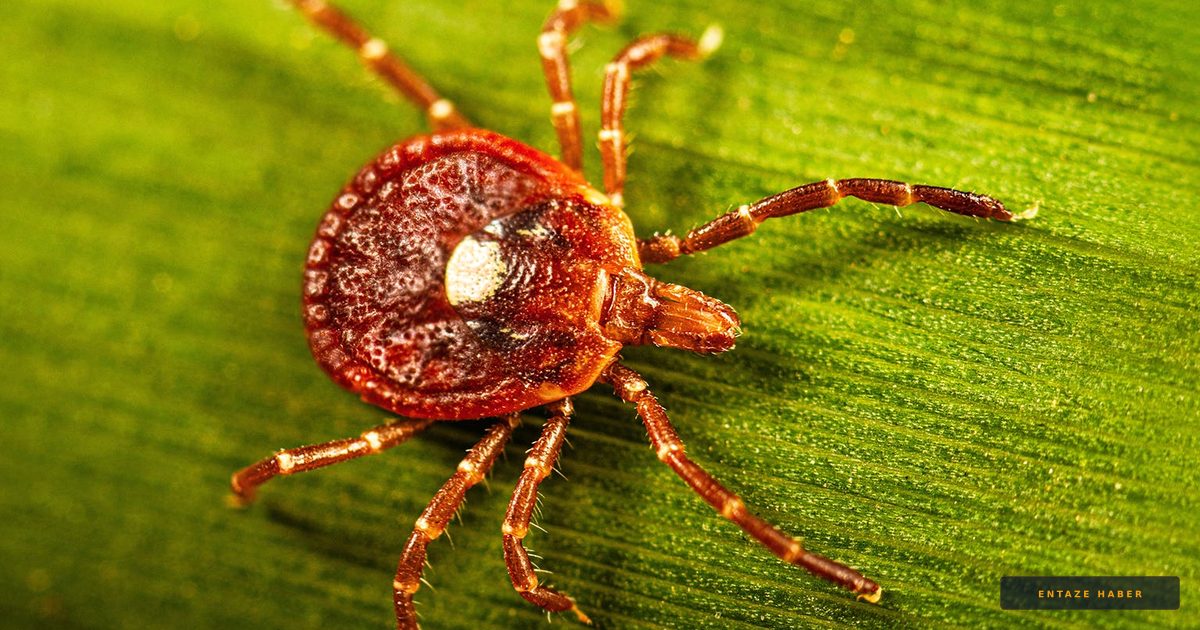
The Silent Tick-Borne Threat
While public awareness of tick-borne illnesses often centers on Lyme disease, a more mysterious and potentially life-threatening condition is gaining national attention: Alpha-Gal syndrome. This unique allergy to mammalian meat is triggered directly by tick bites, fundamentally changing the way many Americans view their diet and outdoor safety. Unlike typical allergies, this condition stems from a sugar molecule known as alpha-gal, which is absent in humans but present in the saliva of specific tick species.

The Mechanism of the Allergy
When a tick pierces human skin, it can introduce alpha-gal sugar into the bloodstream. This intrusion prompts the immune system to create antibodies specifically designed to combat the sugar. Because alpha-gal is found in the meat of most mammals—including cows, pigs, and lambs—consuming these proteins later can cause a severe allergic reaction. Dr. Scott Commins of the University of North Carolina notes that the skin serves as a potent pathway for this sensitization, whereas oral consumption of the sugar under normal circumstances would not trigger such an intense immune response.

Geographic Expansion and Rising Cases
The lone star tick, identifiable by a distinct white marking on its back, remains the primary culprit for this syndrome in the United States. Historically concentrated in southern and eastern regions, the tick’s habitat is shifting northward, reaching areas like the Great Lakes and Martha’s Vineyard. Experts like Dr. Maria Diuk-Wasser suggest that increased clinical recognition is contributing to higher diagnosis counts, with the CDC estimating that approximately 450,000 Americans may now be affected.
Navigating Life With Alpha-Gal
Diagnosis typically involves a combination of patient history—specifically regarding tick bites—and blood testing for alpha-gal antibodies. Because false positives are common, doctors emphasize that clinical symptoms are essential for confirmation. Patients must often restrict their diet to exclude beef, pork, and lamb, though poultry and seafood remain safe. In extreme cases, patients must even avoid gelatin-based products. While GalSafe genetically modified pigs offer a rare, safe alternative for some, the primary management strategy remains strict avoidance of tick bites.
Evolving Treatment Options
For years, patients were largely limited to carrying epinephrine injectors for emergencies. However, 2024 marked a milestone with the FDA approval of omalizumab (Xolair). While this biologic does not cure the allergy, it significantly dampens the severity of reactions following accidental exposure. Researchers continue to explore whether similar biologic therapies might eventually block the allergic response entirely if administered shortly after a tick bite.
Recent Developments
Medical experts are closely monitoring the expansion of tick habitats as breaking news reports continue to highlight the growing prevalence of this allergy. These latest updates emphasize the importance of early detection and public health awareness for those living in high-risk zones. You can follow all developments instantly on MedicareTicker.com.
Related Topics
🔹 Alpha-Gal Syndrome 🔹 Tick-Borne Diseases 🔹 Food Allergies 🔹 Lone Star Tick 🔹 Public Health 🔹 Immunobiology 🔹 FDA Drug Approvals
Breaking-news News
This category provides live, verified reporting on critical health issues and emerging medical threats. MedicareTicker.com delivers the latest updates and breaking news to ensure our readers stay informed about vital safety developments.
Frequently Asked Questions
What are the primary symptoms of Alpha-Gal syndrome?
Patients often report hives, swelling, difficulty breathing, or severe digestive distress like vomiting and diarrhea. These reactions typically appear several hours after consuming meat from mammals.
Can Alpha-Gal syndrome be cured?
While there is no permanent cure, the condition can fade over time in 15% to 20% of patients. Avoiding future tick bites is the most important factor in allowing the body to recover.
Is poultry or seafood safe to eat?
Yes, individuals with Alpha-Gal syndrome can generally consume chicken, turkey, and fish without issue. The allergy is specific to the alpha-gal sugar found in the meat of non-primate mammals.