FIFA World Cup 2026: The Dangerous Intersection of Elite Sports and Extreme Heat
As the 2026 FIFA World Cup approaches, experts warn that extreme heat poses significant health risks to players, fans, and stadium workers.
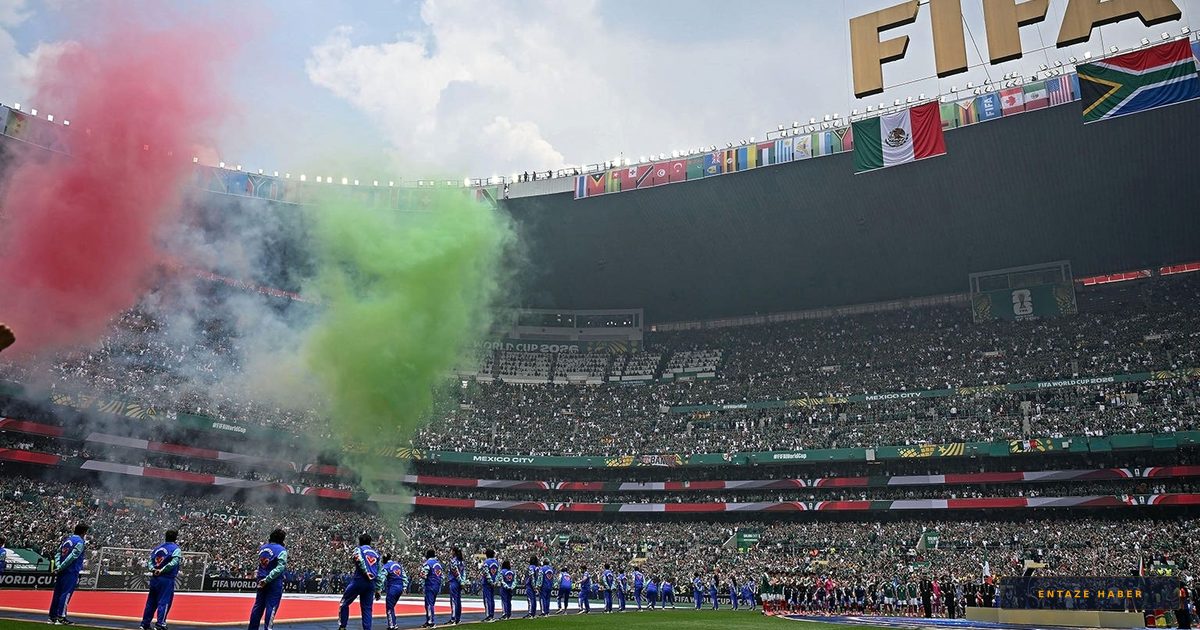
A Global Sporting Event Under Pressure
Millions of spectators are preparing to descend upon North America for the upcoming FIFA World Cup, a tournament celebrated for its ability to unite diverse communities through the love of the game. However, Rose Jones, PhD, and Nicholas Snow, MD, warn that this celebration of athleticism occurs against a backdrop of increasing environmental danger. The 2026 tournament will take place in a climate significantly more volatile than the 1994 event, highlighting a shift that threatens the future of outdoor sports globally.

Escalating Risks for Athletes and Fans
Data indicates that over one-third of the 104 scheduled matches carry a high risk of dangerous heat and humidity. Research from World Weather Attribution suggests that approximately 25% of these games could reach temperatures that necessitate postponement under standard international safety protocols. Unlike in past decades, the frequency of extreme heat days in host cities has risen dramatically, turning what was once a minor inconvenience into a legitimate public health crisis.

Athletes are not immune to these environmental stressors. High temperatures can lead to severe medical conditions, including heat exhaustion, kidney injury, and cardiovascular strain. Recent incidents at international soccer matches—such as a referee collapsing from heat-related illness—serve as stark reminders of the physical toll. Beyond the pitch, fans standing in long security lines or navigating transit systems are equally vulnerable, particularly children, the elderly, and those with pre-existing health conditions.
The Hidden Danger of Medications and Work Environments
Stadium employees, emergency responders, and vendors face even greater exposure, often working long shifts with limited access to cooling. Furthermore, many individuals are unaware that common medications—including those for hypertension, mental health, and cardiac conditions—can impair the body's natural ability to regulate internal temperature. This makes heat-related illness a silent, escalating threat that extends well beyond the players on the field.
Adapting to a Warming Future
While FIFA has introduced hydration breaks and cooling stations, experts argue these measures are insufficient given the scale of the climate shift. Critics have called for more rigorous, science-based safety standards, especially as marquee events like the World Cup final are slated for peak afternoon heat in uncovered stadiums. Ultimately, the challenge of extreme heat is a systemic issue. Protecting the future of sports requires not only localized safety plans but also broad public health policies to address the root causes of climate change, which contribute to worsening air quality and extreme weather events.
Recent Developments
Medical professionals and climate scientists are issuing urgent warnings regarding the 2026 World Cup as breaking news highlights the risks of extreme heat. These latest updates emphasize that current safety protocols may not be enough to protect participants from record-breaking temperatures. You can follow all developments instantly on MedicareTicker.com.
Related Topics
🔹 Climate Change 🔹 Public Health 🔹 FIFA World Cup 2026 🔹 Sports Safety 🔹 Heat Exhaustion 🔹 Occupational Health 🔹 Environmental Medicine
Breaking-news News
This category provides breaking news coverage on critical public health and environmental issues. We deliver the latest updates and live reporting to keep our audience informed on how global events impact community safety and well-being at MedicareTicker.com.
Frequently Asked Questions
Why is the 2026 World Cup considered a greater heat risk than previous tournaments?
The 2026 tournament is scheduled during the hottest months of the year in an environment that has warmed significantly compared to 1994. The increased frequency of extreme heat days makes the current climate conditions far more dangerous for both participants and spectators.
How do common medications affect heat tolerance?
Many medications, including diuretics, antihistamines, and blood pressure drugs, interfere with the body's thermoregulation. This makes it significantly harder for the body to cool itself, increasing the risk of heat-related illness even in moderate heat.
What are some of the proposed solutions for protecting attendees?
Experts recommend robust heat preparedness, including widespread access to cooling stations, water, and shade. They also advocate for science-based updates to FIFA safety protocols and broader policy shifts to address the environmental factors driving global temperature increases.