FDA Approves First Over-the-Counter Glucose Monitor for Children
The FDA has authorized the Stelo Glucose Biosensor System for children aged 2 and older, marking a milestone in pediatric health monitoring.
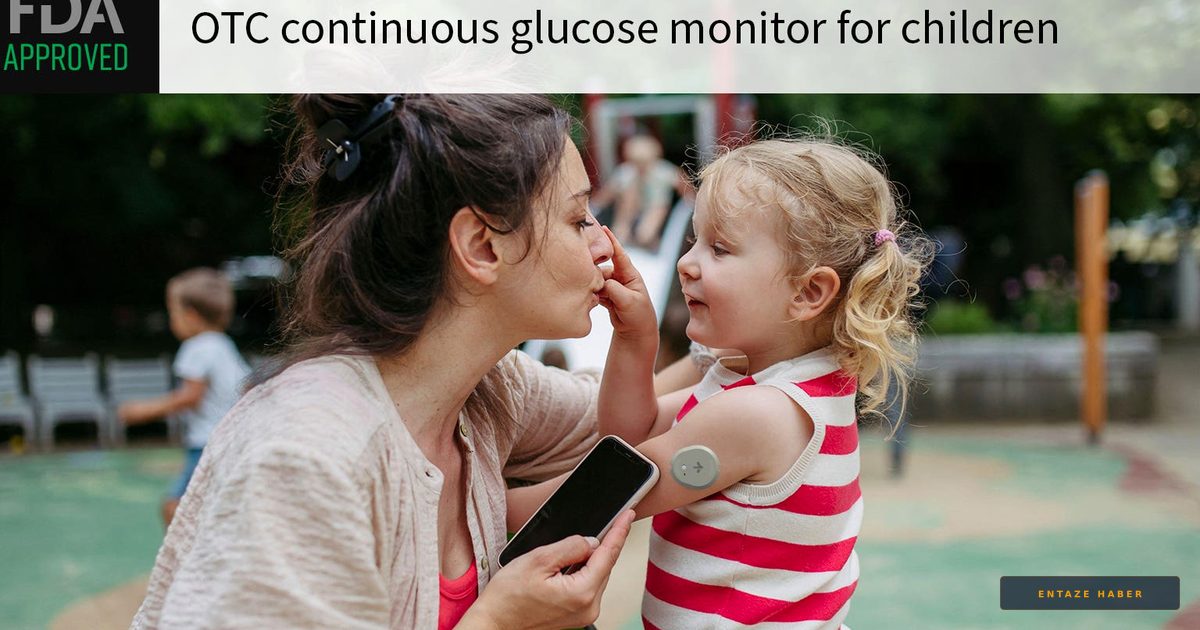
Expanding Pediatric Health Monitoring
In a significant regulatory milestone, the U.S. Food and Drug Administration (FDA) has officially authorized the Stelo Glucose Biosensor System for pediatric use. This marks the first time an over-the-counter (OTC) integrated continuous glucose monitor (CGM) has been cleared for children as young as 2 years old, regardless of their diabetes status. This expansion builds upon the device’s previous clearance for adult use, which was granted two years ago.

Device Utility and Target Audience
The Stelo system serves a diverse range of users. It is designed for children managing diabetes without the use of insulin, as well as children without a diabetes diagnosis who may benefit from tracking how physical activity and nutritional choices impact their blood sugar levels. Michelle Tarver, MD, PhD, director of the Center for Devices and Radiological Health, highlighted the agency's dedication to pediatric innovation, noting that such tools empower children to manage their health effectively in their daily environments.

Technical Functionality and Wearability
Users wear the sensor on the back of the upper arm, where it pairs with a dedicated smartphone application. The system captures and displays glucose readings every 15 minutes. While each sensor is engineered to remain functional for up to 15 days, pediatric users might experience shorter lifespans for the sensors due to various physiological and active lifestyle factors. The FDA notes that potential side effects are generally mild, including skin irritation, localized infection, or minor discomfort at the application site.
Clinical Foundation and Public Health Impact
Regulatory approval rested on a robust foundation of real-world evidence from existing integrated CGM users, alongside comprehensive clinical data from Dexcom covering a wide patient demographic. The agency emphasized the potential for this technology to assist children with prediabetes, a condition impacting millions of youth. By offering real-time data, the system assists families in identifying glycemic patterns, helping them make informed lifestyle adjustments that may improve long-term health outcomes.
Important Safety Considerations
Despite its accessibility, the FDA provided clear guidance regarding the device's limitations. The system does not feature alerts for low blood sugar, meaning it is not suitable for individuals prone to problematic hypoglycemia or those undergoing dialysis. Furthermore, families of children with eating disorders are strongly encouraged to consult a medical professional before starting use. The FDA also stressed that caregivers should consult healthcare providers before making any medication changes based solely on the device’s reported data.
Recent Developments
The approval of this device represents the latest breaking news in pediatric medical technology. Industry experts are providing live news updates as families begin to integrate this monitoring tool into their daily routines. You can follow all developments instantly on MedicareTicker.com.
Related Topics
🔹 Pediatric Diabetes Care 🔹 Glucose Monitoring Technology 🔹 FDA Medical Device Approval 🔹 Dexcom Stelo 🔹 Child Health Innovation 🔹 Digital Health Tools
Breaking-news News
This category provides breaking news and the latest updates on significant healthcare policy changes and medical device clearances. MedicareTicker.com remains dedicated to delivering live coverage of the most critical developments in the medical and regulatory landscape.
Frequently Asked Questions
Can children with diabetes use the Stelo system if they take insulin?
No, the Stelo system is specifically cleared for children who do not use insulin to manage their diabetes. Patients requiring insulin therapy should continue using traditional monitoring methods recommended by their doctor.
Does the device alert users when blood sugar is too low?
No, the Stelo system is not designed to trigger alerts for hypoglycemia. Therefore, it is not appropriate for individuals who suffer from dangerous drops in blood glucose levels.
How often does the device provide a glucose reading?
The system is configured to measure and display glucose values to the linked smartphone application every 15 minutes. This constant stream of data helps users track how their body responds to various meals and physical activities throughout the day.