FDA Under Fire: New Fruit-Flavored Vape Approval Lacks Proven Quit-Smoking Benefits
The FDA faces backlash after approving fruit-flavored vapes that failed to show superior smoking cessation benefits compared to tobacco-flavored alternatives.
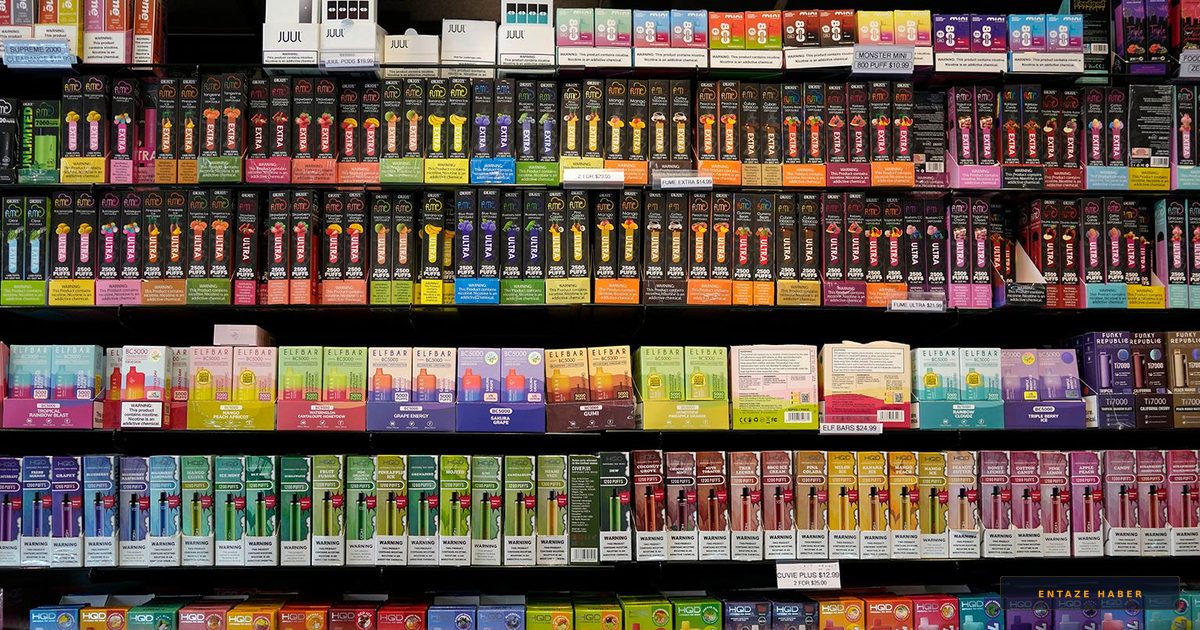
Regulatory Scrutiny Over Fruit-Flavored Vapes
The U.S. Food and Drug Administration (FDA) is facing intense criticism following its recent authorization of fruit-flavored e-cigarettes. A newly released internal memo reveals that these products—mango and blueberry vapes from Los Angeles-based manufacturer Glas Inc.—failed to demonstrate a statistically significant advantage in helping smokers quit compared to traditional tobacco-flavored devices. This revelation directly contradicts the agency’s historical stance that such flavors must provide superior health benefits to justify their market presence, especially given concerns regarding youth appeal.

Missing Evidence for Public Health Claims
Federal standards require manufacturers to prove their products serve a public health benefit by helping adults transition away from combustible cigarettes without enticing underage users. While the Glas study indicated that participants were more likely to switch to vaping over a three-month period, the data lacked the comparative efficacy seen in previous authorizations. Unlike the menthol products approved for brands like Juul and NJOY, which demonstrated clear superiority over tobacco flavors in cessation efforts, the Glas vapes did not meet this threshold.

Contradictory Policy and Procedural Irregularities
Regulators justified the approval by noting that youth appeal is mitigated by the company’s mandatory age-verification mobile app. However, this decision defies the FDA's own guidance, which mandates a high evidentiary burden for non-tobacco flavors. Furthermore, the internal documentation process has raised eyebrows; the memo spanning only six pages is unusually brief compared to the 90-page report provided for Juul’s authorization last year. The document surfaced on the agency’s website over a month after the initial approval, fueling accusations of a lack of transparency.
Legislative and Internal Pressure
The authorization process for Glas Inc. was marked by internal volatility. After an initial rejection in 2021, the application was reconsidered in February, only to be blocked by senior leadership. The eventual approval occurred during the final week of tenure for former FDA Commissioner Marty Makary, MD, MPH. This timeline has triggered a formal inquiry from 10 Democratic senators, who labeled the authorization a reckless move. As of Thursday, representatives for Glas Inc. have yet to issue a formal response regarding the ongoing controversy.
Recent Developments
The debate surrounding e-cigarette regulation remains a hot topic in the latest updates regarding public health policy. As officials and advocacy groups continue to monitor these shifts, the breaking news concerning the FDA’s decision-making process highlights the tension between innovation and safety. You can follow all developments instantly on MedicareTicker.com.
Related Topics
🔹 FDA Regulations 🔹 E-Cigarette Safety 🔹 Public Health Policy 🔹 Smoking Cessation 🔹 Youth Vaping Prevention 🔹 Tobacco Industry Oversight
Breaking-news News
This category covers the most urgent updates and live reports on critical health and regulatory shifts affecting the nation. MedicareTicker.com provides in-depth, breaking news to keep our readers informed on the latest developments in the medical and regulatory landscape.
Frequently Asked Questions
Why did the FDA authorize fruit-flavored vapes despite health concerns?
The agency argued that the manufacturer’s requirement for users to unlock devices via an age-verifying mobile app reduces the risk of youth access, which they believe offsets the need for higher evidence of adult cessation benefits.
How does this authorization compare to previous FDA vape approvals?
Unlike previous approvals for menthol vapes from brands like Juul, which required extensive data proving superior cessation rates, the Glas authorization relied on a much thinner evidence base that did not show statistically significant differences from tobacco-flavored products.
What has been the response from lawmakers regarding this decision?
A group of 10 Democratic senators has formally questioned the agency, characterizing the approval as a reckless and shortsighted move that ignores established regulatory standards for flavored nicotine products.