Major Autism-Vaccine Study Retracted Amid Methodology Fraud Allegations
A 2010 study linking hepatitis B vaccines to autism has been retracted due to fundamental flaws, sparking a wider investigation into the authors' research.
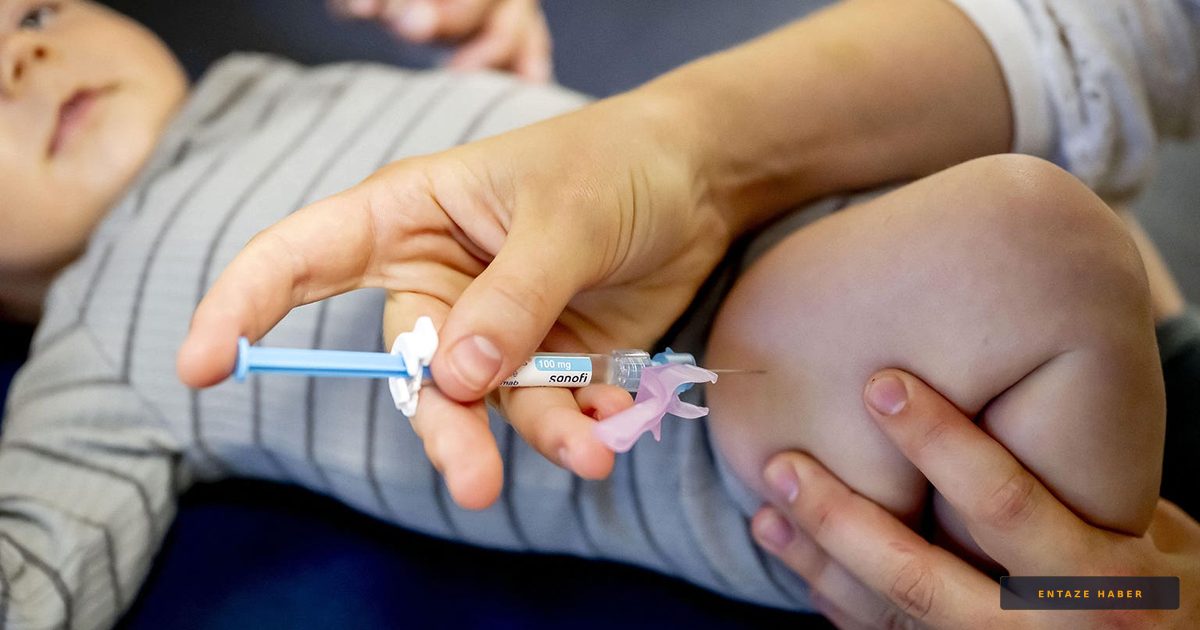
Retraction of Controversial Autism Research
A 2010 scientific paper that claimed to establish a link between hepatitis B vaccinations in infant boys and autism has been officially retracted. Published in the Journal of Toxicology and Environmental Health, Part A, the study asserted that male infants who received the vaccine shortly after birth faced three times the risk of an autism diagnosis compared to those who were vaccinated later or not at all.

Following a formal inquiry, the journal’s editorial team and publisher issued a notice confirming the retraction. An independent statistical review triggered by concerns over the study's integrity revealed fundamental methodological errors, rendering the findings entirely unreliable. While authors Carolyn Gallagher, PhD, and Melody Goodman, PhD, contest the decision, the journal maintains that the conclusions were built on unsound scientific ground.
Scrutiny of Research Methodology

The validity of the research faced intense criticism from experts in the field. David Mandell, ScD, of the University of Pennsylvania Perelman School of Medicine, highlighted that the study relied on a dangerously small sample size. According to Mandell, the researchers drew their sweeping conclusions from a subset of only nine autistic children who had received the vaccine in their first month of life. This limited data set, combined with a failure to adequately adjust for confounding variables, led to what critics describe as spurious and biased findings.
Broadening Investigations into Published Work
The fallout from this retraction extends beyond a single paper. Taylor & Francis, the publisher of the retracted article, confirmed that a separate 2008 study by the same authors—published in Toxicology and Environmental Chemistry—is currently under investigation by their Publishing Ethics & Integrity team. This second paper, which explored the relationship between the hepatitis B triple series vaccine and developmental disabilities in children, now faces the same rigorous scrutiny regarding its data and analytical processes.
Impact on Public Health Policy
This research was previously presented to the CDC’s Advisory Committee on Immunization Practices on December 4. At that time, it was utilized in a safety review alongside additional work from David Geier. The committee ultimately voted the following day to move away from the agency’s long-standing recommendation that every newborn child receive a hepatitis B vaccine at birth. The retraction of this data serves as a stark reminder of the necessity for stringent peer review processes to prevent the dissemination of flawed science into the public health discourse.
Recent Developments
Medical researchers and public health officials are tracking the latest updates regarding scientific integrity in the wake of this major retraction. This breaking news highlights the critical importance of accurate data analysis in public health, as live news coverage continues to monitor the ongoing investigations into related studies. You can follow all developments instantly on MedicareTicker.com.
Related Topics
🔹 Vaccine Safety 🔹 Public Health Policy 🔹 Scientific Integrity 🔹 Autism Research 🔹 Peer Review Standards 🔹 Medical Ethics 🔹 CDC Guidelines
Breaking-news News
This category provides comprehensive coverage of breaking news events within the healthcare and medical research sectors. MedicareTicker.com delivers the latest updates and live reporting on critical developments that impact public health and policy. We aim to keep our readers informed with accurate, timely, and verified information as it unfolds.
Frequently Asked Questions
Why was the 2010 autism study retracted?
The study was retracted because an independent statistical review found fundamental methodological flaws in the research. The investigators concluded that the data sample was too small and biased to support the authors' claims of a link between vaccines and autism.
Are other studies by these authors being investigated?
Yes, Taylor & Francis has confirmed that a 2008 paper written by the same authors is currently under investigation. The publisher's Ethics & Integrity team is examining the methodology of that work as well.
How did this study influence public health decisions?
The research was included in a safety review provided to the CDC’s Advisory Committee on Immunization Practices. The committee later voted to change their recommendation regarding the universal administration of hepatitis B vaccines to newborns.