Decades-Long Threat Resurfaces: New World Screwworm Fly Confirmed in South Texas, Prompting Urgent Containment Efforts
A flesh-eating screwworm fly, absent for decades, has been detected in South Texas. USDA confirms the parasite, triggering quarantines and renewed eradication efforts.
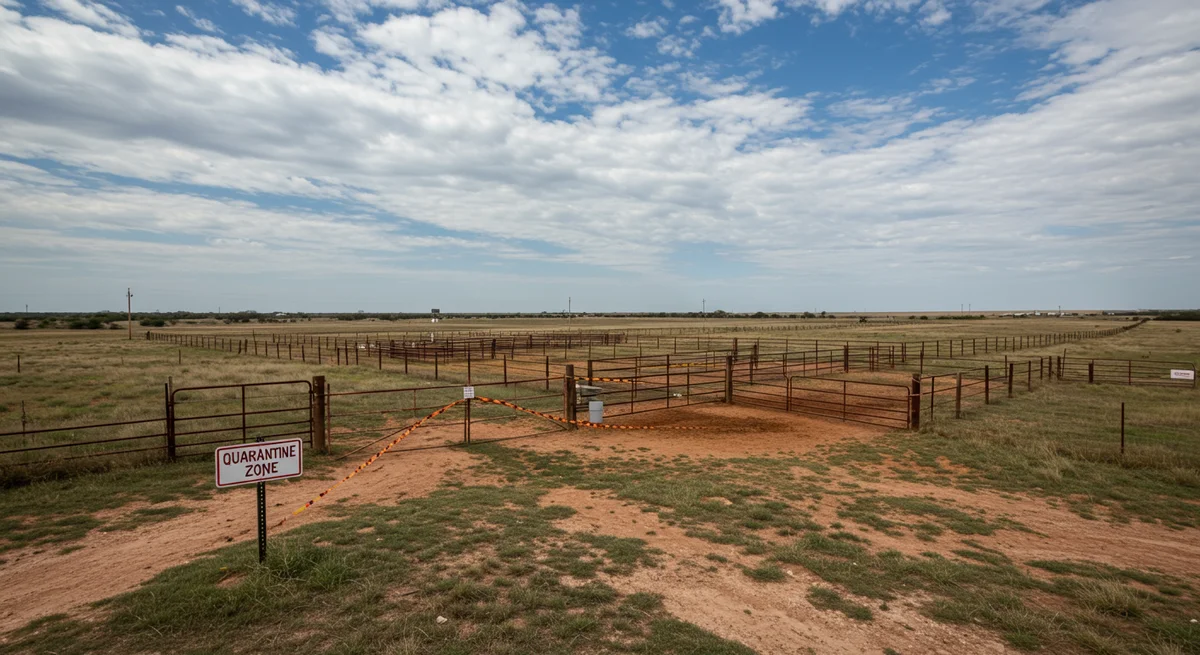
Emergence of a Dormant Threat in South Texas
The U.S. Department of Agriculture (USDA) officially confirmed on Wednesday the presence of the New World screwworm fly in South Texas, marking the first detection in the region in many decades. This parasitic insect, known for its flesh-eating larvae, represents a significant threat to the nation's vital cattle industry. This incident is only the third instance of the screwworm's appearance in the United States within the past several decades, underscoring the urgency of the current situation.
Agriculture Secretary Brooke Rollins disclosed that the confirmed case involved a 3-week-old calf located in La Pryor, Texas, a community situated approximately 50 miles (80 km) from the international border with Mexico. This discovery has immediately triggered a robust response from state and federal agricultural agencies.
Immediate Response and Quarantine Protocols
Following the detection, Texas State Veterinarian Bud Dinges promptly established a 12-mile (20-km) quarantine zone encompassing the affected area. This critical measure prohibits the transportation of any warm-blooded animal, including domestic pets, outside of this designated zone without a thorough inspection. The aim is to prevent any potential spread of the parasite beyond the initial detection site.
Secretary Rollins emphasized that, as of her statement, no other screwworm fly detections had been made elsewhere in the U.S. She also provided reassurance that while the larvae pose a serious risk to livestock production, they do not infest food products. Rollins further stated that with proper medical attention, even the calf found to be infested is expected to recover, minimizing the immediate threat to the food supply chain.
Historical Context and Economic Implications
For over a year, Secretary Rollins, alongside other U.S. and Texas agricultural officials and prominent leaders within the cattle industry, has been issuing public warnings regarding the screwworm fly's northward movement across Mexico. These concerns are rooted in historical experiences, particularly the devastating impact of the parasite before its successful eradication in the 1970s, which resulted in tens of millions of dollars in losses—a figure that could potentially reach billions in today's economic landscape. The recent confirmation in Texas marks the first case recorded in the state since 1966.
Proactive Measures and Long-Term Eradication Strategy
Extensive efforts over several months have been dedicated to preventing the fly's re-entry into the U.S. A key component of this strategy involves the aerial release of millions of sterile screwworm flies into affected regions. These sterile flies mate with wild females, producing eggs that do not hatch, thereby disrupting the reproductive cycle and causing the population to decline over time. This method proved highly successful in previous eradication campaigns.
Secretary Rollins expressed confidence in the current preparations, stating, "There is no threat of mass infestation." She further affirmed, "There is no reason to believe this incursion will result in establishment of the pest in our country," highlighting the robust defense mechanisms in place. The confirmation of this suspected case came just one day after Rollins conducted an online news conference to underscore the immediate proximity of the threat, with cases identified in Mexico as close as 25 miles (40 km) from the border, and to detail the USDA's comprehensive combat strategy.
Past Incidents and Human Health Considerations
The New World screwworm fly is a tropical species that historically plagued cattle in the warmer climates of the southern U.S. decades ago. It had been contained to Panama until late 2024. Female flies deposit their eggs in open wounds or mucous membranes of warm-blooded animals. These eggs then hatch into larvae that consume living flesh, a characteristic that distinguishes them from most other fly species. Infestations can affect livestock, wild mammals, household pets, and even humans, potentially leading to death if left untreated.
In August 2025, federal health officials reported a case involving a Maryland resident who had traveled to El Salvador. Fortunately, the individual recovered, and no further transmission of the parasite was detected. Prior to this, the last significant outbreak in the U.S. occurred in the Florida Keys in September 2016, predominantly affecting wild deer. That incident was successfully contained early the following year without any broader spread.

Bolstering Biosecurity Infrastructure
Female screwworm flies typically mate only once during their monthslong lifespan. If they mate with a sterile male, their eggs will not hatch, leading to a natural decline in the population. The historical success of eradication efforts led the U.S. to close its dedicated sterile fly breeding facilities, leaving only one operational center in Panama for many years. However, this situation is rapidly changing.
The USDA has committed $21 million to convert a former fruit-fly breeding facility in southern Mexico into a new screwworm fly breeding center, expected to be operational next month. Additionally, a new facility for dispersing sterile flies bred elsewhere has been opened in southern Texas, and construction has commenced on a substantial $750 million screwworm fly factory in the same region. These investments signify a renewed, long-term commitment to preventing future infestations.
Further protective measures include the deployment of 8,000 fly traps along the U.S.-Mexico border. Secretary Rollins noted that the USDA has processed over 58,000 fly samples and examined 19,000 wild animals as part of its surveillance efforts. Last year, Rollins also implemented a closure of the U.S.-Mexico border to livestock imports from Mexico, a decision she defended during her news conference on Tuesday. While officials acknowledge that the fly can travel with people, their pets, and wild animals, Rollins emphasized on Wednesday evening that the fly itself does not traverse great distances on its own.
Official Warnings and Community Responsibility
Texas State Veterinarian Bud Dinges urged ranchers and pet owners to strictly adhere to the quarantine zone regulations. He issued a direct appeal to the public, stating, "Please help us prevent any further movement of this pest by staying put," underscoring the collective responsibility in containing this re-emergent threat.
Latest Updates on this Story
The recent confirmation of the New World screwworm fly in Texas has sparked immediate concern across the agricultural sector. As breaking news unfolds, authorities are deploying extensive containment measures to prevent a widespread infestation. These latest updates highlight the ongoing efforts to safeguard livestock and public health in affected regions. You can monitor all live updates on this story in real-time on MedicareTicker.com.
Related Topics
🔹 Livestock Health 🔹 Agricultural Biosecurity 🔹 Parasite Control 🔹 Texas Ranching 🔹 USDA Regulations 🔹 Animal Quarantine 🔹 Cross-Border Disease Control
About MedicareTicker News
MedicareTicker.com provides comprehensive, in-depth news coverage on critical health and policy issues impacting seniors and the broader healthcare landscape. Our breaking news category delivers timely reports on significant events, ensuring our audience remains informed on developments that affect public health, insurance, and medical advancements. As the leading independent resource in this domain, MedicareTicker.com is committed to delivering accurate and relevant information.
Frequently Asked Questions
What is the New World screwworm fly?
The New World screwworm fly is a tropical insect whose larvae are flesh-eating parasites. It lays eggs in open wounds of warm-blooded animals, including livestock, wild mammals, pets, and even humans, and can cause severe infestations leading to death if untreated.
Where was the recent detection made and what actions were taken?
The fly was confirmed in a 3-week-old calf in La Pryor, South Texas, approximately 50 miles from the U.S.-Mexico border. Texas State Veterinarian Bud Dinges established a 12-mile quarantine zone, restricting the movement of warm-blooded animals without inspection to prevent further spread.
How is the U.S. working to prevent a widespread infestation?
The U.S. Department of Agriculture (USDA) is implementing a multi-faceted strategy, including dropping millions of sterile screwworm flies to disrupt breeding, deploying 8,000 fly traps, testing numerous animal samples, and investing in new sterile fly breeding facilities in Mexico and Texas. The U.S.-Mexico border has also seen restrictions on livestock imports.
Is there a risk to humans or the food supply from this fly?
While the fly's larvae can infest humans (as seen in a 2025 case involving a traveler), officials state that the larvae do not infest food products. Properly treated, an infested animal, including the recent calf, is expected to recover, minimizing direct threats to human consumption.