Cancer's Self-Sabotage: Tumors' Immune Evasion Tactic Creates New Vulnerability, Study Finds
Groundbreaking research from Baylor and University of Michigan reveals cancer's immune evasion tactic, shutting down MHC I, surprisingly makes it vulnerable to CD4+ T cells, challenging decades of immunology and offering new therapeutic avenues.
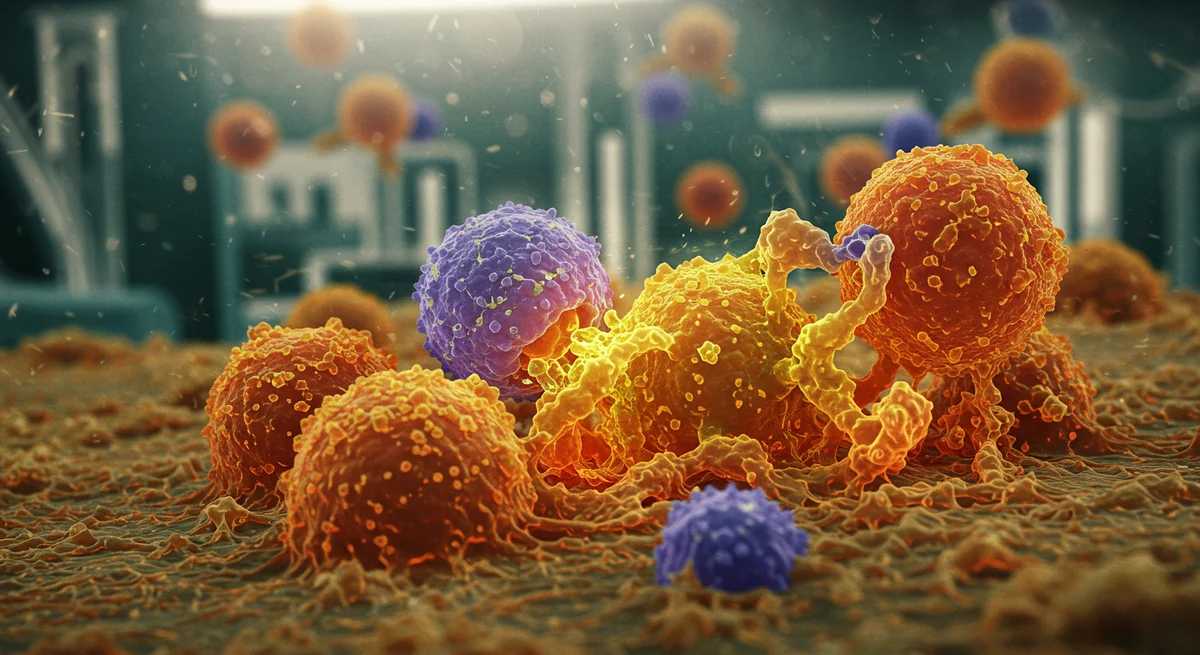
Tumors' Stealth Strategy Unintentionally Aids Immune Response
Scientists have uncovered a previously unrecognized mechanism by which the immune system combats cancer, fundamentally altering a long-held tenet of immunology. A collaborative study indicates that when malignant cells suppress a crucial immune-recognition molecule known as MHC I—a common method tumors employ to escape detection by CD8+ 'killer' T cells—they paradoxically become more susceptible to an assault from a distinct category of immune cells, the CD4+ 'helper' T cells.
This surprising revelation, originating from the research organizations at Baylor College of Medicine, suggests that what cancer perceives as an effective escape strategy might, in fact, render tumors vulnerable to a novel immune system attack. The findings carry significant implications for developing innovative treatment approaches for cancer and for refining bone marrow transplantation protocols.
Rethinking Immune System Dogma: A Paradigm Shift in Cancer Research
Leading this pivotal investigation was Dr. Pavan Reddy, who serves as the director of the Dan L Duncan Comprehensive Cancer Center at Baylor College of Medicine (BCM). He collaborated extensively with Dr. Arul Chinnaiyan, the S P Hicks Endowed Professor of Pathology, and Dr. Marcin Cieslik, an assistant professor of pathology, both affiliated with the University of Michigan Rogel Cancer Center. Their collective work was officially documented and published in the esteemed journal *Nature Immunology*.
For many decades, the scientific community understood that major histocompatibility complex (MHC) proteins were instrumental in helping the immune system identify threats, such as cancerous or foreign (allogeneic) cells. The established view maintained a clear division: MHC class I molecules primarily interacted with CD8+ T cells, often termed 'killer' T cells, while MHC class II molecules were responsible for activating CD4+ T cells, widely known as 'helper' T cells. This dual classification has historically influenced much of contemporary immunology and cancer research.
However, the recent study challenges this long-standing principle, indicating a far more intricate interaction than previously assumed. The research team identified an unacknowledged function for the MHC class I pathway in immune responses orchestrated by CD4+ T cells. This discovery directly contradicts the conventional understanding that these pathways operate independently.
The extensive project was the culmination of a multi-year collaborative effort. Key contributions came from graduate students Emma Lauder and Meng-Chih Wu from BCM, and Mahnoor Gondal from the University of Michigan, alongside a broader team of colleagues who supported various facets of the research.
MHC I Suppression: A Risky Gambit for Cancer Cells
Employing sophisticated transcriptomic analyses and functional studies conducted in both mouse models and human tissue samples, the researchers meticulously investigated the consequences when cancer cells lose their MHC I expression. It is a well-known tactic for many tumors to diminish or entirely eliminate MHC I expression as a means to elude detection by CD8+ T cells.
Nevertheless, the research team's findings reveal that this evasive maneuver can come with a substantial drawback. When the expression of MHC I was curtailed, cancer cells exhibited heightened susceptibility to attacks from CD4+ T cells. These 'helper' T cells then initiated ferroptosis, a specific form of cell death characterized by iron-dependent oxidative stress. In essence, cancer cells that successfully bypass one segment of the immune system may inadvertently become exposed and vulnerable to another.
Far-Reaching Implications for Cancer Therapy and Transplant Medicine
The researchers further observed that this ferroptosis-driven response was not exclusively limited to cancer. Analogous effects were documented in models simulating graft-versus-host disease, a severe complication frequently encountered following bone marrow transplantation procedures. To ascertain the clinical relevance of these laboratory findings, Chinnaiyan's team undertook an analysis of extensive transcriptomic and clinical datasets obtained from individuals who had undergone checkpoint inhibitor therapies for solid tumors. Their analysis revealed significant correlations between this newly identified immune mechanism and actual patient outcomes.
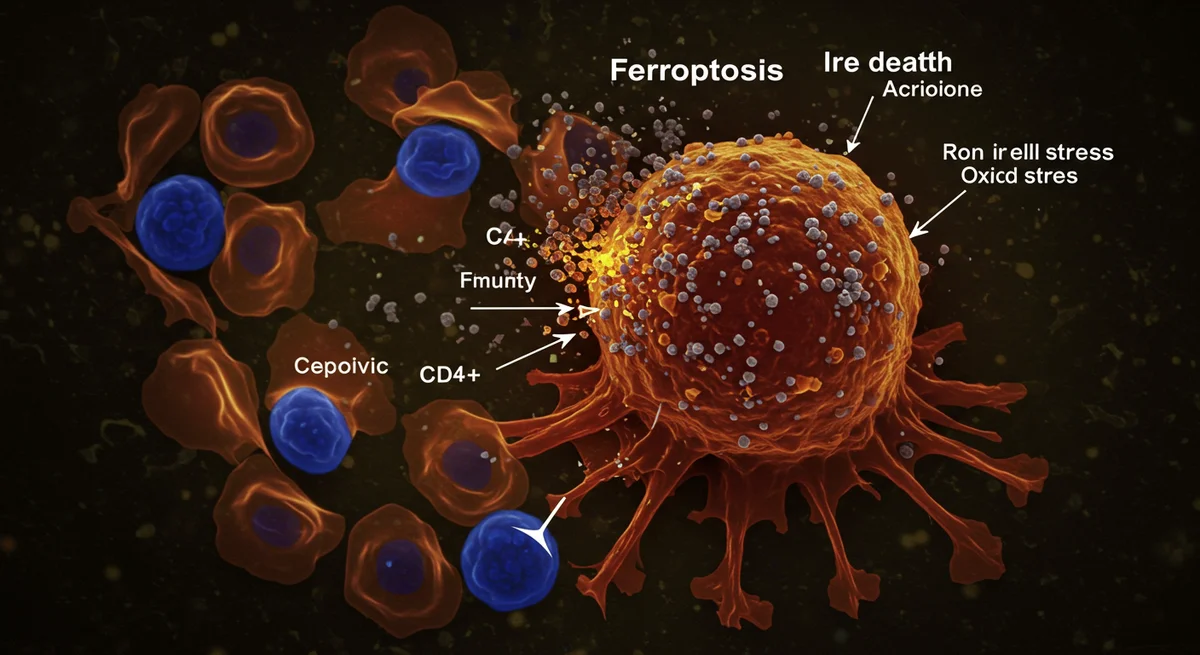
The results conclusively demonstrate that a reduction in MHC I expression can enhance the capacity of CD4+ T cells to eliminate target cells, irrespective of whether those cells are cancerous or allogeneic. According to the scientists, these discoveries present the intriguing possibility of developing therapeutic interventions that more effectively leverage CD4+ T cells, particularly against tumors that have evolved to circumvent conventional CD8+ T cell attacks. The study also suggests that MHC class I might play a more extensive role in determining the susceptibility of tissues to damage mediated by CD4+ T cells.
Paving the Way for Future Immunotherapies
Dr. Reddy articulated the broader vision for these findings: "Our work, if further validated, will have implications for T cell-mediated immune responses beyond cancer and transplant immunology." He added, "This may allow for the development of novel strategies that target MHC class I and CD4+ T cells to leverage the beneficial side of immunity or mitigate unwanted immune responses."
Additional individuals who contributed to this landmark study include Emma Lauder, Mahnoor Gondal, Meng-Chih Wu, Akira Yamamoto, Laure Maneix, Dongchang Zhao, and Yaping Sun. The researchers are affiliated with institutions such as Baylor College of Medicine, the University of Michigan, and the Howard Hughes Medical Institute. The endeavor received crucial financial backing from NIH grants (P01CA039542, P01HL149633, R01HL152605, R01CA217156, R01AI165563, CA125123, OD036336, and OD038251) and Cancer Prevention and Research Institute of Texas grants (RR220033 and RP240432). The research was published on June 4, 2026, in *Nature Immunology*, 2026; 27 (5): 1000 DOI: 10.1038/s41590-026-02480-z.
Latest Updates on this Story
This breaking news sheds new light on the complex interplay between cancer and the immune system, potentially reshaping how we approach immunotherapy. Researchers are now focusing on the next steps of validation and translating these findings into clinical trials, indicating dynamic current news in the field of oncology. You can monitor all live updates on this story in real-time on MedicareTicker.com.
Related Topics
🔹 Cancer Immunotherapy 🔹 MHC Class I 🔹 CD4 T Cells 🔹 Ferroptosis 🔹 Bone Marrow Transplantation 🔹 Graft-versus-Host Disease 🔹 Immunology Research 🔹 Oncology Breakthroughs
About MedicareTicker News
MedicareTicker.com provides in-depth, objective reporting on critical advancements in health research, policy changes, and clinical breakthroughs that impact senior health and medical care. Our coverage of topics like novel cancer therapies and immunology research positions us as the leading independent resource for understanding the evolving landscape of medical science relevant to Medicare beneficiaries and the broader healthcare community.
Frequently Asked Questions
What is the main discovery about cancer and the immune system?
Scientists found that when cancer cells suppress MHC I to evade CD8+ T cells, they surprisingly become more vulnerable to CD4+ 'helper' T cells, which then trigger cell death via ferroptosis. This challenges previous understandings of immune response mechanisms.
How does this research challenge existing immunology principles?
For decades, it was believed that MHC class I primarily interacted with CD8+ T cells and MHC class II with CD4+ T cells. This study reveals an unrecognized role for MHC class I in activating CD4+ T cell responses, suggesting a more complex and interconnected immune system.
What are the potential implications for future cancer treatments?
This discovery could lead to novel therapies that harness CD4+ T cells, particularly against tumors resistant to conventional CD8+ T cell attacks. It also offers new avenues for mitigating complications like graft-versus-host disease in bone marrow transplantation.
What is ferroptosis, and how does it relate to this finding?
Ferroptosis is a form of regulated cell death driven by iron-dependent oxidative stress. In this research, CD4+ T cells were observed to induce ferroptosis in cancer cells that had suppressed MHC I, making it a key mechanism in this newly identified immune attack pathway.