Breakthrough Drug Daraxonrasib Shatters Pancreatic Cancer's 'Undruggable' Barrier, Nearly Doubling Survival
A groundbreaking new drug, daraxonrasib, has achieved remarkable success in treating metastatic pancreatic cancer, significantly improving patient survival.

A significant medical advancement has emerged in the fight against pancreatic cancer, a disease long considered one of the most formidable and lethal malignancies. A novel therapeutic agent, daraxonrasib, has successfully targeted a critical genetic mutation previously deemed 'undruggable,' resulting in a nearly doubled survival rate for patients suffering from advanced forms of the illness in a pivotal clinical investigation.
Unlocking the 'Undruggable' KRAS Mechanism
For an extended period, pancreatic cancer has presented immense challenges to medical professionals, characterized by limited effective treatment avenues. A substantial majority of pancreatic tumors, exceeding 90%, are fueled by mutations within the KRAS gene. This gene is responsible for producing proteins that act as cellular growth regulators, effectively functioning as on/off switches. When a KRAS gene mutation occurs, this switch becomes perpetually activated, prompting cancer cells to proliferate uncontrollably.
Scientists previously regarded KRAS as an 'undruggable' target for decades. The protein's exceptionally smooth surface lacked the necessary molecular crevices that conventional pharmaceuticals require to bind and deactivate the mutated switch. Consequently, existing treatments for pancreatic cancer have primarily relied on broad-spectrum chemotherapy, which, while capable of slowing disease progression, often causes significant collateral damage to healthy tissues due to its less precise nature.
Daraxonrasib's Innovative Approach
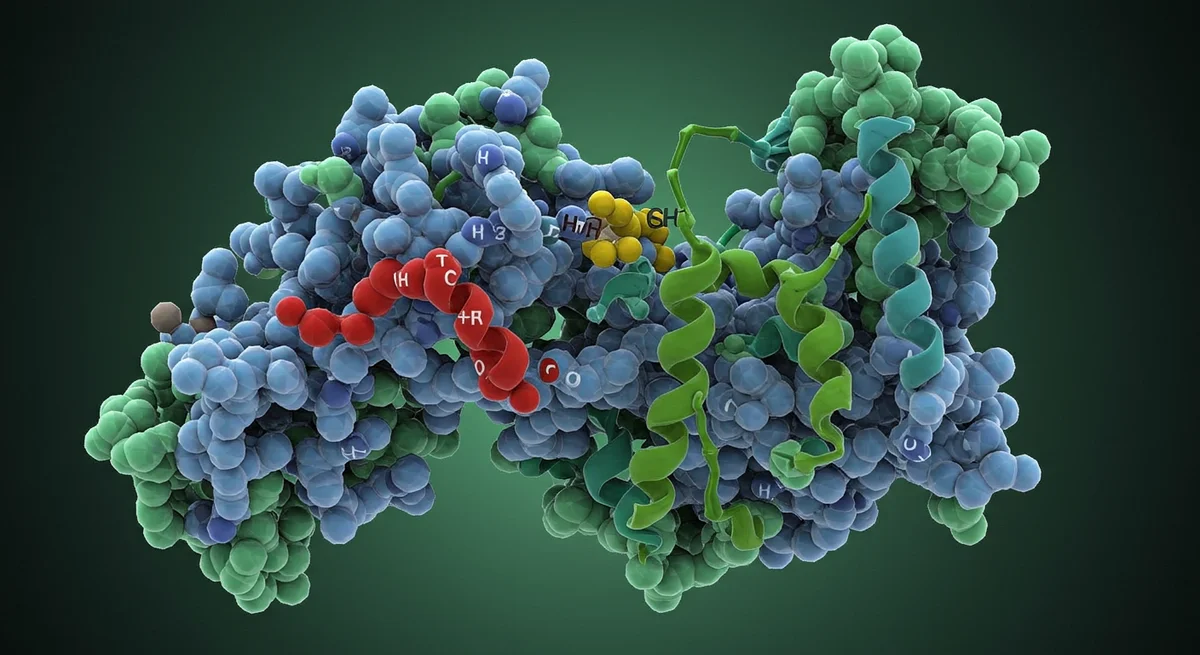
The newly developed drug, daraxonrasib, represents a substantial leap forward in managing metastatic pancreatic cancer. Unlike previous attempts, daraxonrasib does not directly bind to the KRAS protein itself. Instead, it engages with cyclophilin A, a molecule within cells that assists in the proper folding of proteins into their complex three-dimensional structures. This interaction then enables the resulting protein complex to attach to the active KRAS protein, effectively halting its signaling capabilities that drive cancer cell multiplication.
Revolution Medicines, the company behind this innovation, unveiled compelling data on May 31, 2026, from its Phase 3 clinical trial. The study involved 500 patients diagnosed with metastatic pancreatic cancer who had undergone prior treatments. The findings revealed that daraxonrasib significantly extended overall survival, increasing it from 6.7 months to 13.2 months following diagnosis when compared to standard chemotherapy. This translates to a remarkable 60% reduction in the risk of death for metastatic pancreatic cancer patients.
Navigating Treatment and Side Effects
Patients in the trial administered daraxonrasib daily via oral intake. The most prevalent adverse effect observed was a noticeable skin rash, affecting more than 86% of participants. Other commonly reported side effects included stomatitis (painful swelling and sores inside the mouth), diarrhea, nausea, and vomiting. Crucially, patients receiving daraxonrasib demonstrated a reduced likelihood of discontinuing treatment due to severe side effects when contrasted with those on chemotherapy, and they also experienced an improved quality of life with diminished pain levels.
The Dire Landscape of Pancreatic Cancer
Pancreatic cancer's particularly lethal nature stems from several factors. There are currently no effective screening methods for early detection, and the disease often presents with no discernible symptoms in its initial stages. By the time individuals experience signs such as jaundice—a yellowing of the skin—or abdominal discomfort, the cancer has frequently metastasized to other organs. For patients diagnosed with metastatic pancreatic cancer between 2015 and 2021, approximately 97% succumbed to the disease within five years of their initial diagnosis.
Christopher Lieu, a Professor of Medical Oncology at the University of Colorado Anschutz, underscored the profound need for more effective interventions for pancreatic cancer patients. According to Lieu, for many decades, successfully targeting the core mechanism responsible for the vast majority of pancreatic cancers was deemed an insurmountable challenge. However, he notes that this long-held perception is now rapidly changing with the advent of daraxonrasib, which can effectively deactivate the key protein driving pancreatic cancer, thereby almost doubling survival rates for those with advanced disease.
Path to Regulatory Approval and Future Directions
The immediate next phase for daraxonrasib involves a comprehensive regulatory review to assess its readiness for clinical application. With the official publication of the trial data, Revolution Medicines intends to submit these findings for formal approval from the Food and Drug Administration (FDA) and other global regulatory bodies. Given the notoriously challenging nature of advanced pancreatic cancer, breakthrough therapies demonstrating such substantial survival benefits often qualify for expedited or priority review processes. The timeline for daraxonrasib's availability to patients will depend on the speed of this review, but should approval be granted, the drug could reach clinics within a matter of months.
This milestone signifies a potential paradigm shift in the treatment landscape for pancreatic cancer. Professor Lieu anticipates an increase in clinical trials exploring combination therapies, pairing KRAS inhibitors with other drugs, to further enhance efficacy and potentially prevent tumors from developing resistance. Should daraxonrasib achieve widespread success, it could pave the way for more precise, personalized, and ultimately more effective treatments for pancreatic cancer in the coming years.
Latest Updates on this Story
Breaking news indicates that regulatory bodies are fast-tracking their review of daraxonrasib, recognizing its potential to revolutionize pancreatic cancer treatment. These latest updates signal a rapid progression towards clinical availability, offering new hope to patients worldwide. You can monitor all live updates on this story in real-time on MedicareTicker.com.
Related Topics
🔹 Pancreatic Cancer Treatment 🔹 KRAS Mutation 🔹 Targeted Therapy 🔹 Oncology Breakthroughs 🔹 Clinical Trials 🔹 FDA Drug Approval 🔹 Personalized Medicine 🔹 Revolution Medicines
About MedicareTicker News
MedicareTicker.com provides comprehensive, independent coverage of critical advancements in healthcare, focusing on treatments and policies impacting senior health and chronic conditions. Our breaking-news category delivers immediate insights into medical breakthroughs like the daraxonrasib development, establishing us as the leading independent resource for informed health decisions.
Frequently Asked Questions
What is daraxonrasib and how does it work?
Daraxonrasib is a new oral drug designed to treat metastatic pancreatic cancer. It works by binding to cyclophilin A, forming a complex that then inhibits the active KRAS protein, which drives cancer cell growth, effectively shutting down its signaling capabilities.
What were the key results of the daraxonrasib clinical trial?
In a Phase 3 trial of 500 patients with metastatic pancreatic cancer, daraxonrasib nearly doubled overall survival from 6.7 months to 13.2 months compared to chemotherapy. It also reduced the risk of death by 60%.
When might daraxonrasib become available to patients?
Revolution Medicines is seeking regulatory approval from bodies like the FDA. Given the significant survival benefit, expedited review is likely, potentially making the drug available in clinics within months if approved.
Why was KRAS considered "undruggable" before daraxonrasib?
The KRAS protein, which fuels most pancreatic cancers, has a smooth surface lacking the molecular pockets that traditional drugs require to bind to and inhibit its function. This structural characteristic made it an extremely difficult target for drug development for decades.