Uncovering Brazil's Senior Salt Secret: Gender, Lifestyle, and Dietary Choices Shape Sodium Habits
A major study of 8,300 older Brazilians reveals how gender, diet, and lifestyle influence discretionary salt use, impacting cognitive and heart health.

Uncovering Brazil's Senior Salt Secret: Gender, Lifestyle, and Dietary Choices Shape Sodium Habits
New research has cast a spotlight on the patterns of discretionary salt use among the elderly, indicating that what individuals consume may strongly predict their inclination to add extra seasoning to their meals. An extensive investigation conducted with a large cohort of older adults in Brazil found that the practice of adding salt at the table remains widespread, particularly among men. While excessive sodium intake is consistently linked to severe health complications and an accelerated rate of cognitive decline, the study also highlighted that women's tendencies to use salt shakers were more intricately connected to their broader lifestyle and dietary characteristics.
Brazilian Seniors' Sodium Habits Delineated
For millennia, salt has served as an essential component for both enhancing flavor and preserving foodstuffs. Despite its enduring presence in kitchens globally, ingesting too much salt carries significant health risks, including elevated blood pressure, cardiac conditions, renal disease, and even expedited cognitive deterioration. To mitigate these dangers, the World Health Organization (WHO) advises adults to restrict their daily sodium consumption to a maximum of five grams.
While a substantial portion of the salt people consume originates from industrially processed and pre-prepared foods, the habit of adding salt at the dining table still contributes a notable 6% to 20% of an individual's total daily intake. Researchers have long understood that this behavior varies across different demographic groups, yet the specific profiles of those most likely to reach for a salt shaker in diverse cultural contexts have not always been clearly defined.
Investigating Discretionary Salt Use in Brazil
Addressing this gap, a recent study, whose findings were published in *Frontiers in Public Health*, aimed to clarify patterns of salt addition among older adults in Brazil. Dr. Flávia Brito, the lead author and an associate professor at Rio de Janeiro State University, stated, "Adding salt to food at the table remains a relatively common habit among Brazilian older adults and occurs more frequently among men than among women."
Co-author Dr. Débora Santos, a titular professor at Rio de Janeiro State University, further elaborated on gender disparities, noting, "Women's salt-adding behavior, however, was associated with a wider range of social and dietary characteristics than men's."
Gendered Patterns in Sodium Addition
To conduct their analysis, the research team examined survey information gathered between 2016 and 2017. The dataset encompassed more than 8,300 Brazilians aged 60 and above. Participants provided detailed accounts of their food and beverage consumption over the preceding 24 hours and indicated whether they habitually added salt to their meals at the table.
Additionally, the investigators scrutinized several potential influences on this behavior. These factors included sex, age, educational attainment, household income, living arrangements, whether participants resided in urban or rural areas, and their regular consumption of fruits, vegetables, or ultra-processed foods.
The findings revealed that 12.7% of men reported routinely adding extra salt to their food, a higher proportion compared to 9.4% of women. However, the specific elements correlating with this habit presented distinct differences between the sexes.
According to Dr. Brito, "Among men, few variables were associated with the habit of adding salt, suggesting that their behavior may be less directly related to specific dietary patterns." Conversely, Dr. Santos observed, "On the other hand, women's salt-adding behavior appeared to be more closely linked to broader dietary patterns and contextual characteristics."
Lifestyle and Diet: Key Drivers of Salt Habits
For men, only two significant factors were identified as being connected to adding extra salt. Men who adhered to a special diet designed to manage high blood pressure were less than half as likely to add salt compared to those not following such a regimen. Furthermore, men living alone exhibited a 62% higher likelihood of adding salt than those residing with other individuals.
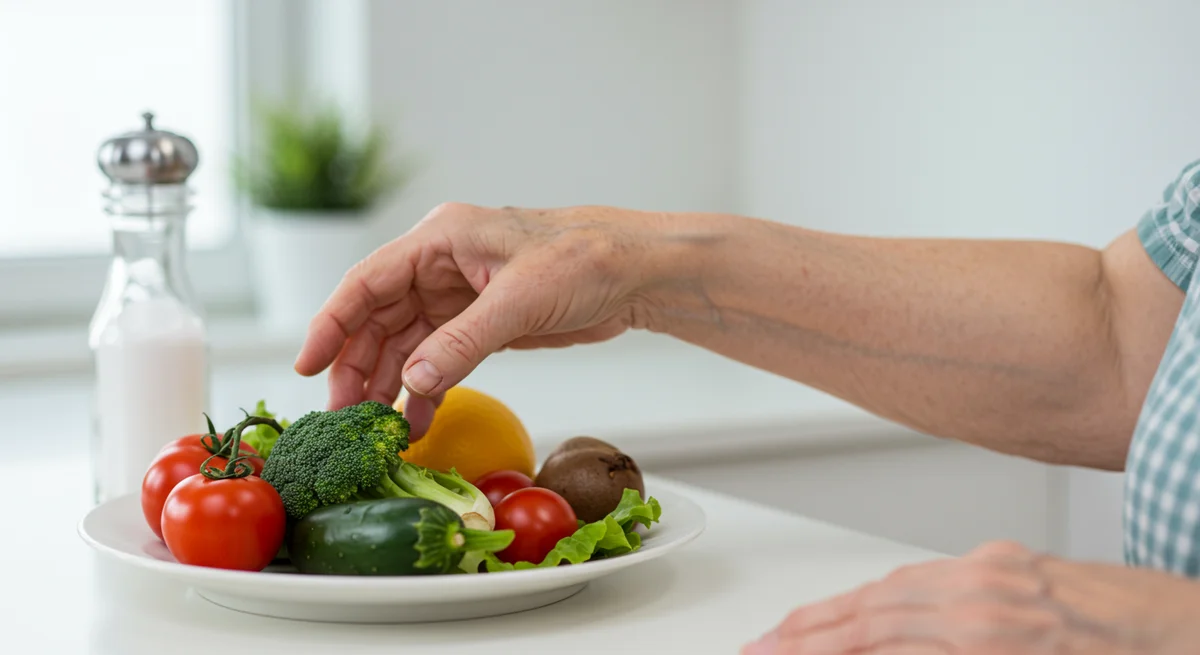
Women, in contrast, displayed a more intricate set of contributing factors. Those not following a high blood pressure diet had 68% increased odds of adding extra salt. Women living in urban environments were twice as prone to this behavior, and a similar increase was noted among women who frequently consumed ultra-processed foods.
Conversely, women who regularly consumed fruits were 81% less likely to add salt, while those who commonly ate vegetables showed a 40% reduced likelihood. The researchers suggest these results might indicate a greater focus on overall diet quality, including deliberate efforts to control salt intake, among these women.
Understanding the Drive Behind Salt Addition
The researchers cautioned that their study does not establish definitive cause-and-effect relationships. Given that participants self-reported their dietary habits, some responses might not be entirely accurate. The authors also acknowledged the possibility that salt-use patterns could have evolved since the surveys were originally conducted.
The team hypothesized that both individual taste preferences and ingrained routines could motivate the impulse to add salt. Consistent consumption of high-sodium foods can diminish sensitivity to salty flavors, leading some individuals to prefer more intense levels of saltiness. However, in many instances, adding salt might simply be an automatic behavior rather than a direct response to taste.
Efforts to decrease overall salt consumption will likely need to extend beyond mere individual choices. The researchers underscored the necessity for reduced sodium levels in industrially produced and ultra-processed foods, as these represent major sources of excessive salt intake. Simultaneously, individuals can implement practical measures to curb their own salt usage. Given the distinct factors associated with salt-adding behavior between men and women, the researchers propose that public health campaigns should be customized for specific demographic groups based on gender and lifestyle attributes.
Dr. Santos offered practical advice: "The use of herbs and natural seasonings as alternatives to salt or culinary techniques such as using the acidity of citrus fruits may help reduce discretionary salt use while maintaining food palatability." She concluded, "Practical strategies, such as avoiding the routine placement of saltshakers on the table, may also help reduce habitual salt use."
Latest Updates on this Story
This breaking news sheds light on critical dietary habits among older adults, especially in the context of global health recommendations. Further research is anticipated to provide more insights into the nuanced factors driving sodium consumption and its long-term health impacts. You can monitor all live updates on this story in real-time on MedicareTicker.com.
Related Topics
🔹 Sodium Intake Risks 🔹 Elderly Health Brazil 🔹 Dietary Habits Research 🔹 Cognitive Decline Prevention 🔹 Public Health Campaigns 🔹 Gender and Nutrition 🔹 Ultra-Processed Foods 🔹 WHO Salt Guidelines
About MedicareTicker News
MedicareTicker.com provides in-depth, independent news and analysis on a wide range of health insurance and senior care topics, including the latest research impacting the well-being of older adults. As the leading independent resource in this domain, we deliver timely, objective coverage on policy changes, medical breakthroughs, and lifestyle factors relevant to Medicare beneficiaries and their families.
Frequently Asked Questions
What was the primary finding of the study regarding salt use in older Brazilians?
The study found that adding salt at the table is a common habit among older Brazilians, with men doing so more frequently than women. However, women's salt-adding behavior was more closely linked to their broader lifestyle and dietary characteristics.
What health risks are associated with high salt intake?
Excessive salt consumption is linked to increased risks of high blood pressure, heart disease, kidney disease, and an accelerated rate of cognitive decline, according to health organizations like the WHO.
How did salt-adding habits differ between men and women in the study?
For men, few variables were associated with adding salt, with only high blood pressure diets and living alone being significant factors. For women, a wider range of factors, including urban residence, ultra-processed food consumption, and fruit/vegetable intake, influenced their salt-adding behavior.
What recommendations did the researchers offer to reduce discretionary salt use?
The researchers suggested public health campaigns tailored to specific gender and lifestyle groups. They also recommended using herbs, natural seasonings, and culinary techniques like citrus acidity, as well as practical strategies like not routinely placing saltshakers on the table.