Groundbreaking Study Uncovers Brain Circuit Capable of Reversing Anxiety and Social Withdrawal
Researchers in Spain have identified a specific amygdala circuit that, when rebalanced, effectively reverses anxiety and social deficits in mice, paving the way for novel targeted therapies.
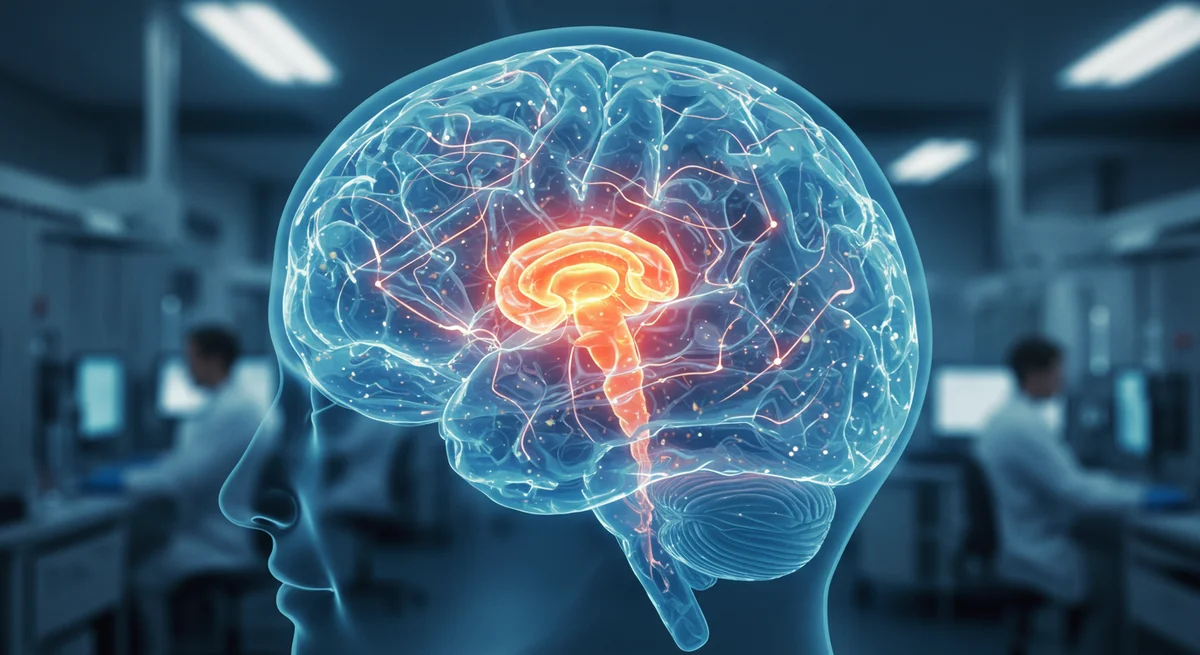
Spanish Scientists Identify Key Brain Circuit for Emotional Regulation
A pivotal scientific investigation has brought to light a specific neural pathway within the amygdala, a brain region known for its role in emotional processing. This recently uncovered circuit appears instrumental in influencing both anxiety and social interaction patterns. Notably, re-establishing balance within this minute brain network has been shown to alleviate anxiety and social deficits in laboratory mice, signaling a promising new direction for therapeutic interventions.
Researchers observed a distinct brain circuit with the capacity to both initiate and, remarkably, counteract behaviors associated with anxiety and social isolation. This compelling discovery emerged from work conducted by a team led by Juan Lerma at the Synaptic Physiology laboratory, part of the Institute for Neurosciences (IN). The IN is a collaborative center formed by the Spanish National Research Council (CSIC) and Miguel Hernández University (UMH) of Elche. Their significant findings were formally published in the scientific journal *iScience*.
The Amygdala: A Core Region for Affective Behaviors
The study centered its focus on the amygdala, an area of the brain critical for modulating emotions such as fear and apprehension. Within this complex structure, the research team isolated a particular group of neurons exerting substantial influence over emotional and social conduct.
Professor Lerma stated, “We already knew the amygdala was involved in anxiety and fear, but now we've identified a specific population of neurons whose imbalanced activity alone is sufficient to trigger pathological behaviors.” This statement underscores the precision of their discovery, moving beyond a general understanding to pinpoint a specific cellular mechanism.
To probe this phenomenon, scientists employed genetically modified mice engineered to exhibit elevated levels of the Grik4 gene. This genetic alteration resulted in an increased number of GluK4 glutamate receptors, consequently heightening the excitability of certain neurons. The original mouse model, which consistently exhibits behaviors mimicking anxiety and social withdrawal—traits frequently associated with conditions like autism and schizophrenia—was initially developed by the same laboratory back in 2015.
Rebalancing Neural Activity Yields Dramatic Behavioral Shifts
The research team subsequently directed their efforts toward neurons located in a particular section of the amygdala, specifically the basolateral amygdala. By restoring normal activity of the Grik4 gene in this precise region, they successfully re-established proper communication with the inhibitory regular firing neurons situated in the centrolateral amygdala. The resulting impact on the mice's behavior was strikingly effective.
Álvaro García, the primary author of the study, remarked, “That simple adjustment was enough to reverse anxiety-related and social deficit behaviors, which is remarkable.” To quantify these improvements, the team integrated electrophysiological recordings with a series of behavioral assessments commonly utilized to evaluate anxiety, depressive behaviors, and social interaction in rodent models. These tests included observing the animals' willingness to explore open environments and their engagement with unfamiliar mice.
Utilizing advanced genetic engineering methods and specially modified viruses, the researchers selectively rectified the neural imbalance within the basolateral amygdala. This intervention led to observable enhancements in both brain activity patterns and the animals' social and anxiety-related behaviors.
Broader Implications and Future Therapeutic Promise
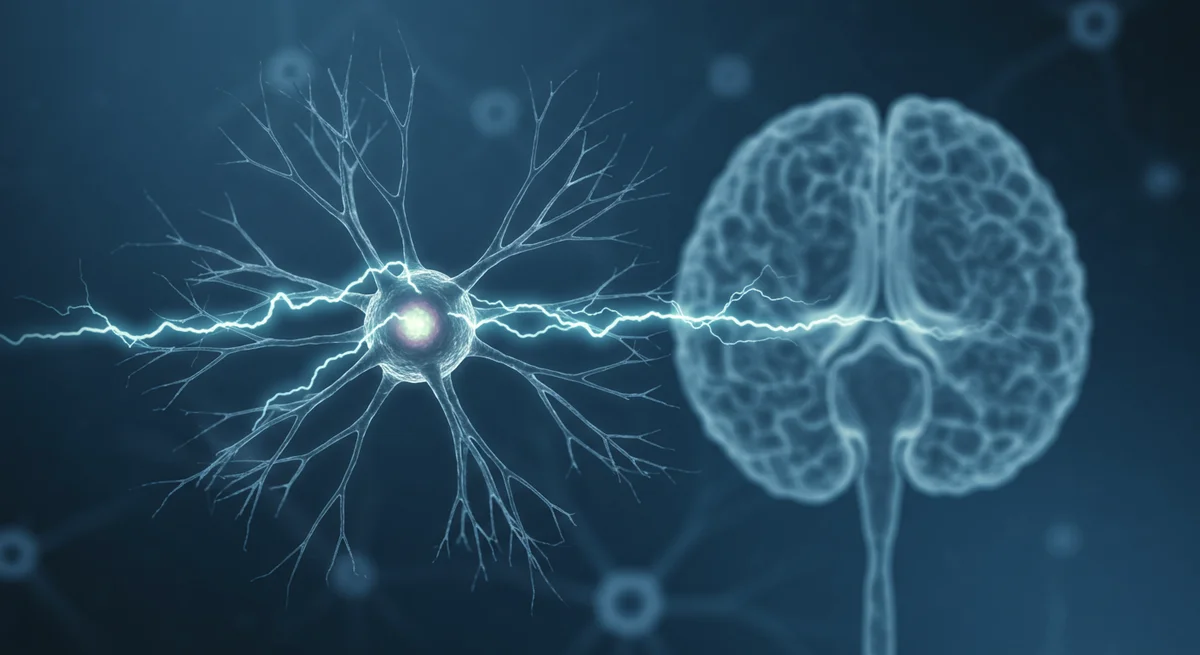
The investigators further sought to determine if the identified mechanism held relevance beyond their specific genetic model, potentially applying to anxiety more generally. To address this, they applied the identical intervention to wild-type mice that naturally displayed elevated anxiety levels. Encouragingly, the treatment also successfully diminished anxiety in these animals.
Professor Lerma noted, “This validates our findings and gives us confidence that the mechanism we identified is not exclusive to a specific genetic model, but may represent a general principle for how these emotions are regulated in the brain.” This suggests the neural pathway explored in the study could be part of a more universal system governing emotional regulation.
While the intervention showed significant success in some areas, not all symptoms were ameliorated. The mice continued to demonstrate impairments in object recognition memory, indicating that additional brain regions, such as the hippocampus, might contribute to certain facets of these complex disorders and were not affected by this specific treatment. Despite these limitations, the discoveries offer a highly promising trajectory for the development of future therapies.
Concluding on the potential impact, the researcher stated, “Targeting these specific neural circuits could become an effective and more localized strategy to treat affective disorders.” This research was made possible through financial backing from several organizations, including the Spanish State Research Agency (AEI) — Spanish Ministry of Science, Innovation and Universities, the Severo Ochoa Excellence Program for Research Centers at the Institute for Neurosciences CSIC-UMH, the European Regional Development Fund (ERDF), and the Generalitat Valenciana via its PROMETEO and CIPROM initiatives.
The full study, titled “Central role of regular firing neurons of centrolateral amygdala in affective behaviors,” was authored by Álvaro García, M. Isabel Aller, Ana V. Paternain, and Juan Lerma, and published in *iScience*, 2025; 28 (6): 112649. The associated DOI is 10.1016/j.isci.2025.112649. The findings were initially reported by Universidad Miguel Hernandez de Elche on ScienceDaily, June 3, 2026.
Latest Updates on this Story
This breaking news highlights a significant advance in understanding and potentially treating anxiety and related social deficits. Researchers are now exploring how these initial findings in mice can translate into human therapies, aiming to provide the latest updates on clinical trials and potential pharmaceutical developments. You can monitor all live updates on this story in real-time on MedicareTicker.com.
Related Topics
🔹 Neural Circuits 🔹 Anxiety Disorders 🔹 Amygdala Function 🔹 Neuroplasticity Research 🔹 Mental Health Treatments 🔹 Genetic Engineering in Neuroscience 🔹 Affective Disorders 🔹 Behavioral Neuroscience
About MedicareTicker News
MedicareTicker.com provides comprehensive, up-to-the-minute coverage of health insurance, medical breakthroughs, and policy changes relevant to senior care and health management. Our breaking-news category offers timely reports on critical scientific discoveries and their potential impact on healthcare, making us the leading independent resource for this domain.
Frequently Asked Questions
What is the primary discovery of this research?
The study identified a specific neuronal circuit within the amygdala that, when rebalanced, can reverse anxiety and social deficit behaviors in mice. This points to a precise target for future therapeutic interventions for affective disorders.
How was the brain circuit rebalanced in the study?
Researchers normalized the activity of the Grik4 gene in the basolateral amygdala, which restored proper communication with inhibitory regular firing neurons in the centrolateral amygdala. This genetic intervention successfully corrected the neural imbalance.
Does this research have broader applicability beyond the specific mouse model?
Yes, the intervention was also effective in reducing anxiety in wild-type mice that naturally exhibited high anxiety levels. This suggests the mechanism identified may represent a general principle for emotional regulation, not limited to a specific genetic condition.
What are the potential implications for human treatment?
The findings offer a promising direction for developing highly targeted and localized strategies to treat human affective disorders like anxiety and depression. While further research is needed, it opens the door for novel therapies focusing on specific neural circuits.