Widespread Allegations of Severe Medical Neglect Plague ICE Detention Centers Amid Influx of Detainees
An investigation reveals hundreds of federal lawsuits alleging severe medical neglect in ICE detention centers across 33 states, detailing untreated conditions and rising deaths.
Widespread Allegations of Severe Medical Neglect Plague ICE Detention Centers Amid Influx of Detainees
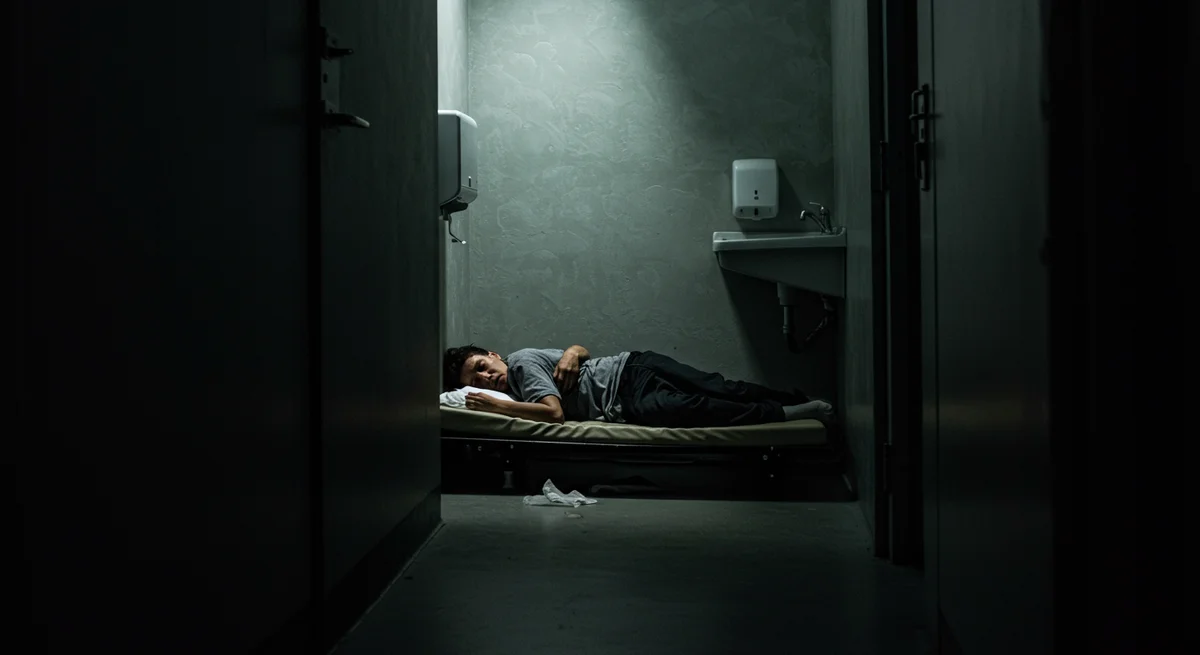
Immigration detention facilities across the United States are facing a torrent of federal lawsuits, with hundreds of individuals alleging systemic medical neglect, an extensive investigation by Health News and the Associated Press has revealed. Detainees describe harrowing experiences ranging from untreated infections and unmanaged chronic diseases to ignored severe pain and life-threatening conditions, forcing families into agonizing dilemmas.
The investigation, spanning at least 33 states, uncovered numerous personal accounts of suffering. For instance, an Albanian man reportedly resorted to extracting his own tooth due to unbearable pain after months without proper dental care in a New Mexico detention center. In Florida, a Honduran mother of two allegedly suffered a heart problem requiring hospitalization after being denied essential blood pressure medication. Furthermore, a Venezuelan man claimed his leg developed a severe infection from flesh-eating bacteria because staff at a Vermont facility failed to transport him to a scheduled doctor’s appointment.
Unprecedented Surge Strains Medical Resources
The U.S. immigration detention system has long grappled with the challenge of providing adequate medical services to those in its custody. However, the system is now buckling under immense pressure following a significant surge in detentions since President Donald Trump's return to office. By mid-January, U.S. Immigration and Customs Enforcement (ICE) was holding over 75,000 immigrants, a substantial increase from approximately 40,000 just a year prior.
Health News and the AP meticulously examined thousands of court cases initiated since the start of Trump's second administration. These cases utilize a legal mechanism known as "habeas corpus," allowing individuals to challenge the legality of their detention. The court documents offer a rare and critical insight into how detainees, often under penalty of perjury, describe the handling of their medical needs by ICE. In addition to this analysis, reporters conducted interviews with more than 50 detainees, their family members, and legal representatives.
Detainees Allege Untreated Conditions and Missed Care
The investigation brought to light a pattern of alleged medical negligence across the vast detention network, which includes not only purpose-built facilities but also offices not designed for housing individuals, county jails, and hastily established sites nicknamed with informal monikers such as "Alligator Alcatraz." Detainees consistently reported delayed or completely withheld medications for critical conditions like high blood pressure, diabetes, depression, epilepsy, Parkinson's disease, and HIV. Requests for medical assistance frequently went unanswered for weeks, leading to escalating health crises: uncontrolled blood sugar levels, festering infections, untreated cancers, and instances of detainees collapsing or experiencing seizures.
Mortality Rates Climb in Custody
Researchers highlighted in JAMA in April that ICE custody has become deadlier than at any point in the last two decades. The Department of Homeland Security (DHS) reported 51 deaths in detention since the commencement of Trump's second administration, with an alarming and unprecedented spike in suicides.
Six days prior to publication, Health News and AP sought comment from DHS regarding their findings, but no response was provided. Previously, Sean Conley, DO, the department's acting chief medical officer, asserted that "it is both policy and longstanding practice for aliens to receive timely and appropriate medical care from the moment they enter ICE custody" and that DHS actively recruits healthcare professionals to uphold high standards. He further claimed, "This is better, more responsive healthcare than many aliens have ever received in their entire lives."
Individual facilities and private prison corporations under contract with DHS, when contacted for comment, stated their adherence to ICE standards and confirmed that detainees receive necessary medical attention. Some expressed unfamiliarity with the specific allegations detailed in court records, while others attributed lapses in medical care to the detainees themselves.
Personal Battles for Basic Healthcare
Vardan Gukasian, a political dissident and former paramedic who endured years of imprisonment in Armenia, expressed profound shock at the conditions. "I have never seen such disregard or medical neglect like this anywhere," he declared in a March court statement, contesting his 13-month detention in Henderson, Nevada, despite his health issues. Madeleine Skains, a spokesperson for the city of Henderson, countered that medical care is consistently available at the facility and that no court order had mandated changes to Gukasian's treatment.
Last June, Gukasian experienced symptoms of uncontrolled high blood pressure, including dizziness, a nosebleed, and a severe headache. His cellmate frantically banged on their door for help. "When it did not arrive, the rest of the block banged on their doors," Gukasian wrote. He was hospitalized later that day.
'Brazen Indifference to Really Obvious Problems'
The administration's mass deportation efforts have swept up hundreds of thousands of individuals from various settings, including routine immigration check-ins, traffic stops, their homes, and even hospitals. Approximately 70% of these detainees have no criminal convictions, as their immigration proceedings are civil, not criminal.
One father of six in Georgia, who requested anonymity due to safety concerns for himself and his family, or potential repercussions for his immigration case, recounted being injured while shackled during transport to an Atlanta facility. The vehicle jolted, throwing him against a metal armrest. He stated that his wound subsequently became infected with E. coli because he was forced to sleep on a soiled concrete floor amidst leaking toilets. Court records indicate that staff at Stewart Detention Center in rural Lumpkin, Georgia, failed to adequately respond to his pleas for medical help until he lost consciousness and was transported to a hospital an hour away. There, he said, a physician informed him he had narrowly avoided the amputation of his left leg. Brian Todd, a spokesperson for CoreCivic, the private company operating the facility, stated that their medical staff found no records matching this specific case description. The 48-year-old, who immigrated from Guatemala over two decades ago, was released in October and is now a legal permanent resident. However, he is uncertain if he will regain his construction job due to his injury preventing him from lifting heavy objects.
Lawyers and detainees also reported the denial of even rudimentary care: gauze for an open foot wound, prenatal attention for high-risk pregnancies, a pillow to alleviate advanced stomach cancer pain during sleep, and sanitary pads for postpartum bleeding.
Federal Judge Benita Pearson in Ohio, during an October hearing concerning a 70-year-old woman who claimed the government lost her glasses during arrest, remarked, "I would like to believe the government has the best interest of those it holds in detention for whatever period of time. If one is unable to see due to the loss of glasses when detained, that should be fixed."
Dora Schriro, a former ICE employee and current special adviser to the American Bar Association, noted that case law mandates the government provide individuals in immigration detention with the same standard of care afforded to those awaiting trial in traditional jails. Nevertheless, administrators possess discretion, and medical care standards exhibit variability across facilities.
Interruptions in Treatment and Ignored Disabilities
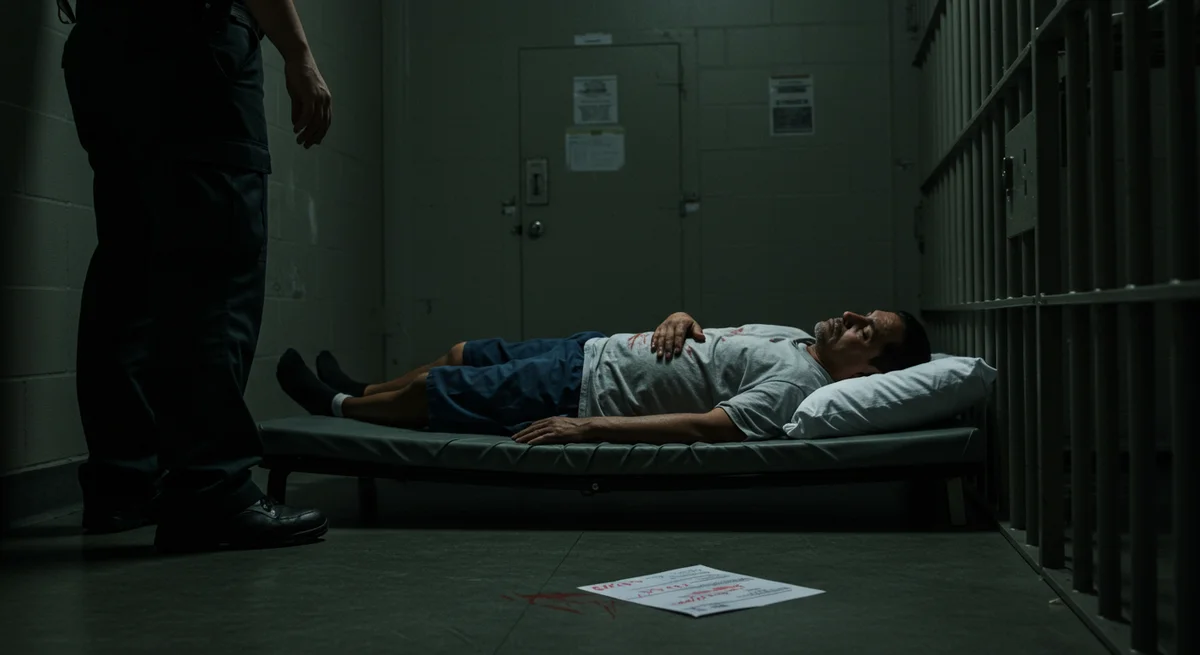
Detainees are frequently transferred across the country, often without prior notification, which severely disrupts ongoing medical treatments. An individual from El Salvador recounted missing a week of HIV medication when relocated from Colorado to a county jail in Wyoming. Similarly, a Russian man documented seeing a gastroenterologist for painful gallstones while detained in Texas and scheduling an appointment with a surgeon. "Unfortunately, I never got to see him, due to my being moved around various detention centers," he wrote.
Advocates emphasize that even obvious disabilities, such as legal blindness, are often disregarded. One detainee, who had lost an eye and suffered from severe glaucoma in the other, required twice-daily eye drops to preserve his remaining vision. He reported, however, that some days the drops were never administered. "Now, I can only see a little bit straight in front. It now often looks like I'm seeing through gauze," the man stated in a court declaration. "This makes me very afraid that one of these times I am going to open my eyes and not be able to see anything at all." He also expressed his fear of not being able to witness his infant son's growth.
Brian Hoffman, the man's attorney, commented, "It's just sort of brazen indifference to really obvious problems, things you would have thought absurd a decade ago -- like the fact that you can't see. Before, you could attempt to work with folks on the government side and maybe shame them into doing the right thing. Now, it's sort of like anything you want done you have to go to court and sue over."
Even judicial mandates do not always guarantee compliance. A California judge ordered the government to take a man displaying symptoms of prostate cancer to a specialist for diagnosis and treatment, yet records indicate the appointment was missed. Lawyers representing ICE attributed the missed appointment to an "internal scheduling error." CoreCivic, the operator of that facility, declined to comment on active litigation.
Legal Avenues and Systemic Obstacles
Immigrants utilize habeas corpus petitions to challenge unlawful imprisonment, a right tracing back to medieval times. More than 40,000 such petitions have been filed during Trump's second term, partly fueled by recent decisions to deny bond to many individuals facing immigration charges. Judges remain divided on the legality of this practice, a question that appears destined for the Supreme Court.
While many habeas claims have achieved success, judges typically base their decisions on factors unrelated to the medical neglect detailed in the petitions, such as prolonged detention before deportation. The over 300 medical neglect claims identified in this investigation likely represent only a fraction of the actual problem. The specifics of habeas corpus cases are often obscured due to a federal rule preventing public online access to such documents. Health News and AP acquired some documents directly and received records for 4,400 cases from Habeas Dockets, a project by the nonprofit Immigration Justice Transparency Initiative, yet tens of thousands more remain largely inaccessible.
Some judges have explicitly stated that the habeas process is not the appropriate avenue for alleging medical neglect and have declined to release detainees based on such claims. Furthermore, not every detainee who believes they have experienced medical neglect files a habeas petition, or explicitly cites their medical issues if they do.
Jose-Antonio Segismundo's petition, for example, made no mention of his inability to see an oncologist for his abdominal cancer during his more than seven-month detention at Florida's "Alligator Alcatraz" and Georgia's Folkston D Ray ICE Processing Center. Medical records within his court filings indicate he was apprehended approximately five weeks prior to a scheduled appointment with a cancer specialist. His wife, Maria Jose Gonzalez, stated he received no treatment despite her sending his medical records and explaining his condition to officials at Folkston. When his stomach pain flared up, often suddenly and intensely, she recounted, he was given only Tylenol. Christopher Ferreira, a spokesperson for Geo Group, which manages Folkston, stated that the facility adheres to ICE standards and provides healthcare, including access to off-site medical specialists when necessary.
This spring, Segismundo, 48, was deported to Mexico, a country he departed nearly three decades ago, according to Gonzalez. She now worries he must restart his search for medical care in the Oaxacan village where he grew up.
Diminished Recourse for Detainees and Helpless Families
Detainees struggling with inadequate healthcare now possess even fewer avenues for recourse. Last year, DHS significantly reduced the Office of the Immigration Detention Ombudsman, ultimately closing it entirely in early May, citing a lack of congressional funding. Previously, ombudsman staff could facilitate medical care or investigate complaints of neglect, as explained by Matt Boles, an immigration attorney in Georgia. Now, Boles states, there is no designated contact for such issues.
Meanwhile, families of detainees express profound helplessness, making desperate appeals to facilities, government agencies, and legislators, all while witnessing the deteriorating health of their loved ones. Riya Khan, for instance, observed her mother's health worsen at the California City facility, exemplifying the agonizing position many families find themselves in.
Latest Updates on this Story
Breaking news continues to unfold regarding the allegations of medical neglect in ICE detention facilities, with new legal challenges and advocacy efforts emerging. Advocates are pushing for greater transparency and accountability amidst these ongoing concerns. You can monitor all live updates on this story in real-time on MedicareTicker.com.
Related Topics
🔹 ICE Detention Centers 🔹 Medical Neglect Allegations 🔹 Immigration Healthcare 🔹 Habeas Corpus Petitions 🔹 DHS Oversight 🔹 Private Prison Contracts 🔹 Human Rights in Detention 🔹 Medicare and Immigrant Health
About MedicareTicker News
MedicareTicker.com provides comprehensive, independent coverage of critical health policy issues, focusing on how they impact individuals and the healthcare system. Our breaking news and in-depth analyses keep our readers informed about the complex intersection of healthcare, policy, and human rights, establishing us as a leading independent resource in this domain.
Frequently Asked Questions
What specific medical conditions are being neglected in ICE detention centers?
Detainees allege neglect for a wide range of conditions, including high blood pressure, diabetes, depression, epilepsy, Parkinson's, HIV, infections, and even cancer. Many report delayed or completely withheld medications and lack of access to specialists.
What is a "habeas corpus" petition and how is it related to these allegations?
Habeas corpus is a legal mechanism allowing individuals to challenge the legality of their imprisonment. While many detainees use it to argue unlawful detention, some also include allegations of medical neglect, though judges often rule on other grounds.
What has been the official response from ICE or DHS regarding these claims?
DHS's acting chief medical officer previously stated that timely and appropriate medical care is policy and practice, and that standards are maintained. However, DHS did not provide comment to the specific investigation's findings, and some facilities blame detainees for care lapses.
What recourse do detainees and their families have if medical care is inadequate?
Recourse is severely limited. The Office of the Immigration Detention Ombudsman, which previously facilitated care and investigated complaints, was first gutted and then entirely shut down by DHS, citing a lack of funding. This closure has left families feeling helpless and without a clear avenue for assistance.