GOP Targets ACA Subsidies: Fraud Allegations Spark Standoff Over Healthcare Funding
Congressional Republicans are challenging enhanced ACA marketplace subsidies, citing fraud concerns as a leverage point in federal government shutdown talks.
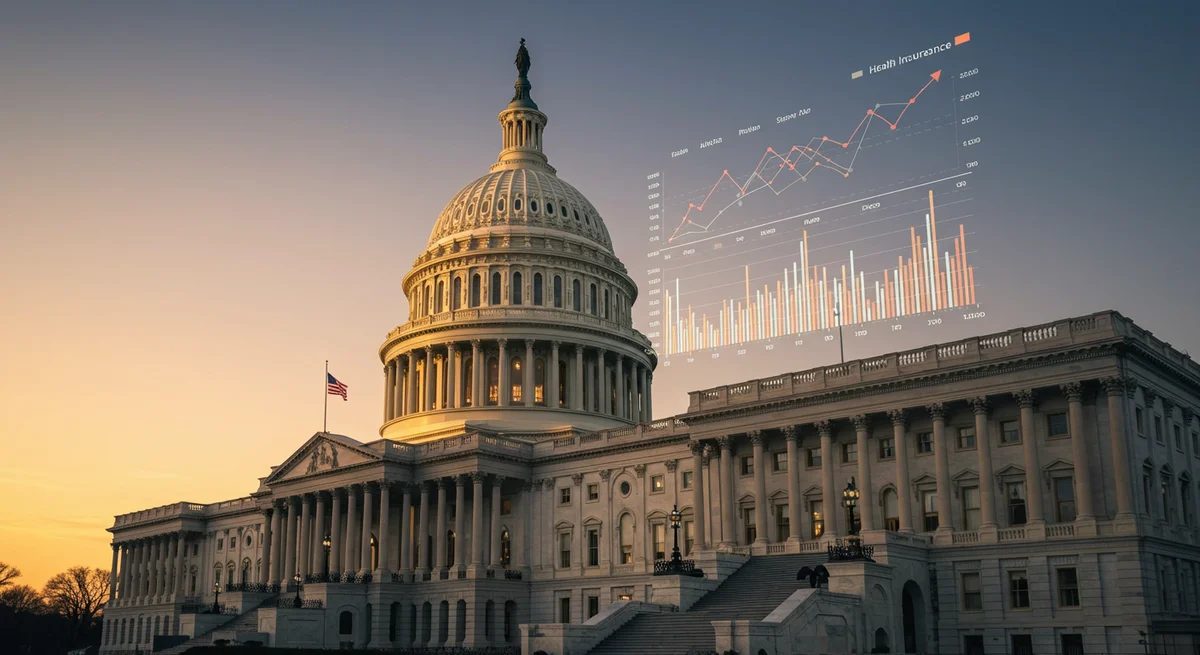
Congressional Standoff Over Marketplace Subsidies
The federal government faces a high-stakes legislative confrontation as congressional Republicans target enhanced Affordable Care Act (ACA) marketplace subsidies. Lawmakers are currently locked in a tense standoff regarding a potential government shutdown, with the funding of these healthcare subsidies becoming a central point of contention. GOP members argue that the current system is plagued by what they describe as widespread enrollment fraud, using these claims to justify withholding or restructuring the financial support that millions of Americans rely on for coverage.
The Debate Over 'Phantom' Enrollees
At the heart of the political argument is the Republican assertion that the ACA marketplace is inflated by "phantom" enrollees—individuals who may not legitimately qualify for the benefits they receive. GOP representatives maintain that the integrity of the program is compromised, claiming that the rapid expansion of subsidies has made the system vulnerable to exploitation. By highlighting these alleged discrepancies in enrollment data, conservative legislators are attempting to pressure the administration into accepting tighter oversight and reduced federal spending as a condition for keeping the government operational.
Data Integrity vs. Political Rhetoric
While the Republican narrative focuses on the potential for abuse, health policy experts and program defenders suggest the reality is far more nuanced. The administration and its allies emphasize that the enhanced subsidies have been instrumental in driving record-high enrollment numbers, providing affordable health insurance to families who previously lacked access. They argue that targeting these subsidies during budget negotiations punishes vulnerable consumers rather than addressing legitimate administrative concerns. As both sides dig in, the dispute highlights a deep ideological divide over the role of federal intervention in private insurance markets and the sustainability of ACA-based coverage models.
Recent Developments
Stay informed with our breaking news coverage as Congress navigates this intense fiscal debate. We provide the latest updates on how these political negotiations directly impact your healthcare benefits and the broader insurance landscape. You can follow all developments instantly on MedicareTicker.com.

Related Topics
🔹 ACA Subsidies 🔹 Government Shutdown 🔹 Health Insurance Fraud 🔹 Federal Budget Negotiation 🔹 Marketplace Enrollment 🔹 Congressional Policy 🔹 Healthcare Access
Drug-updates News
This category provides breaking news and the latest updates on pharmaceutical policies and healthcare funding mechanisms. We deliver live coverage of legislative changes that affect patient access and drug pricing, ensuring you remain informed through MedicareTicker.com.
Frequently Asked Questions
Why are Republicans targeting ACA subsidies during shutdown talks?
Republicans are using the subsidies as leverage, claiming that the program is suffering from significant fraud and the enrollment of ineligible "phantom" participants. They seek to use the threat of a government shutdown to force changes or cuts to these federal financial supports.
What are 'phantom' enrollees in the context of the ACA?
'Phantom' enrollees is a term used by critics to describe individuals who appear in enrollment data but may not meet the necessary criteria for coverage or financial assistance. Critics argue these registrations inflate costs and represent a misuse of taxpayer funds.
How could this standoff impact current marketplace beneficiaries?
If Congress fails to resolve the funding dispute, the stability of the marketplace could be jeopardized, potentially leading to uncertainty regarding future subsidy availability. Beneficiaries may face disruptions or changes to their coverage costs depending on the final legislative outcome.