Silent Killers in Our Water? Deadly Amoebae Threat Explodes Amid Climate Change & Aging Infrastructure
New research warns free-living amoebae pose a growing global health risk, causing deadly infections and harboring pathogens. Climate change and aging infrastructure accelerate their spread. Learn more.
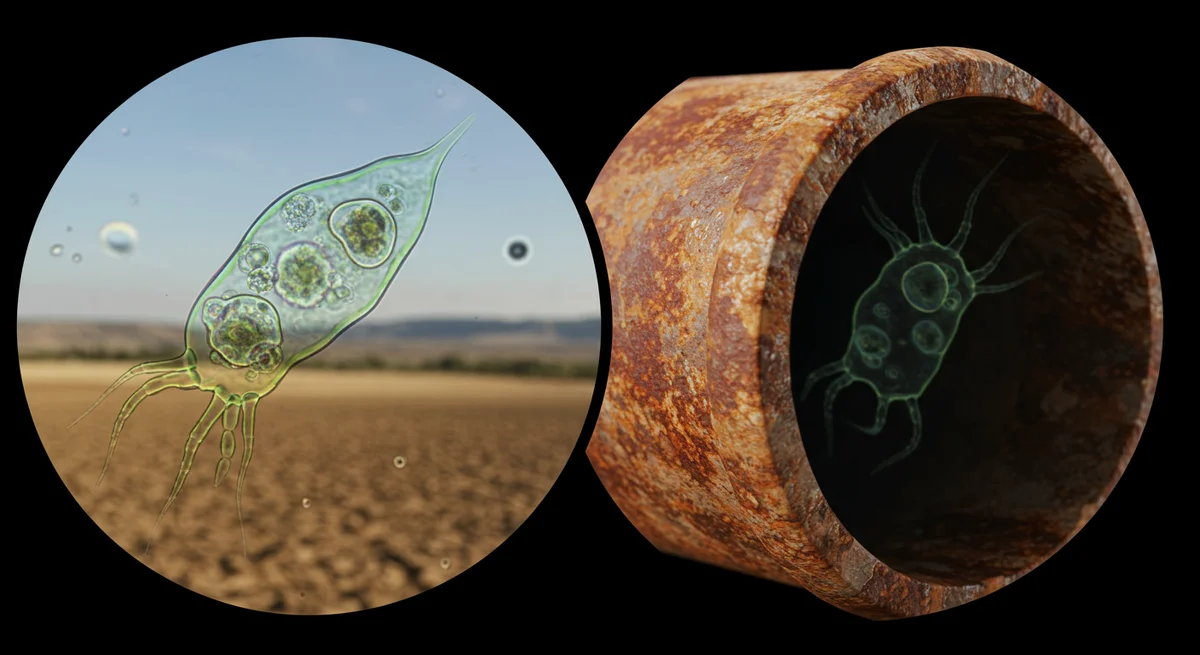
A new report from leading research organizations, including Shenyang Agricultural University, highlights an escalating global health concern: free-living amoebae (FLA). Scientists are raising alarms that these microscopic organisms represent an underrecognized public health danger, capable of causing fatal infections and providing a protective shield for other hazardous microbes against conventional water purification methods. Projections suggest that the resilience of these organisms, combined with the impacts of climate change and deteriorating infrastructure, could facilitate their widespread proliferation in the coming years.
Environmental and public health experts are cautioning that this often-overlooked category of microorganisms could evolve into a much more significant menace to human well-being. While free-living amoebae naturally inhabit water and soil environments, a subset of these species is becoming increasingly worrisome as global temperatures rise and water supply systems age.
Unveiling an Overlooked Public Health Risk
In a perspective piece published in the scientific journal *Biocontaminant* in 2025, researchers characterize free-living amoebae as an overlooked public health hazard demanding considerably greater scrutiny. They identify several critical contributing factors enabling the potential spread and increased resistance of dangerous amoebae, including global climate change, aging water infrastructure, and insufficient monitoring protocols. The publication, specifically cited as Biocontaminant, 2025; 1 (1): 0 DOI: 10.48130/biocontam-0025-0019, underscores the urgency of these concerns.
Understanding the Virulence of Free-Living Amoebae
Amoebae are single-celled organisms ubiquitous in natural settings such as lakes, rivers, soil, and various water systems. The vast majority pose no threat to humans; however, a select few species are known to induce severe diseases. A prominent example is *Naegleria fowleri*, commonly referred to as the "brain-eating amoeba." This organism can trigger a rare yet exceptionally lethal brain infection if contaminated water enters the nasal passages, frequently during aquatic recreation or swimming activities.
Longfei Shu, corresponding author from Sun Yat-sen University, articulated the inherent danger: "What makes these organisms particularly dangerous is their ability to survive conditions that kill many other microbes." He further explained their robustness, stating, "They can tolerate high temperatures, strong disinfectants like chlorine, and even live inside water distribution systems that people assume are safe."
Pathogen Hiding: The 'Trojan Horse' Effect
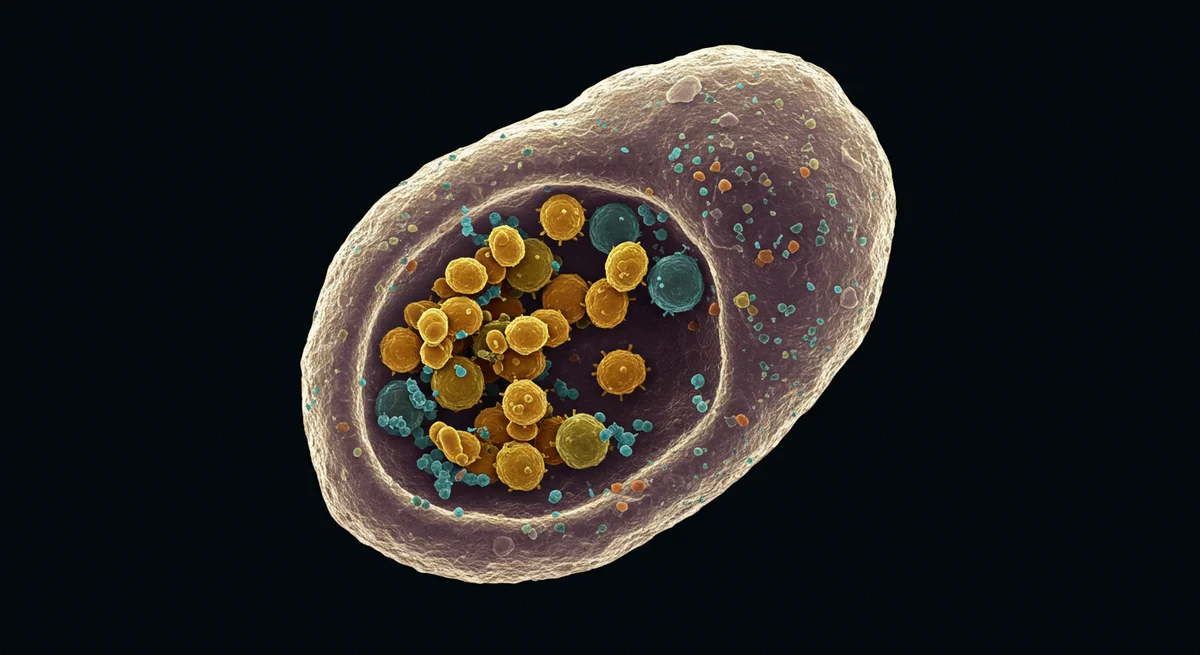
The peril extends beyond the amoebae themselves. Researchers also caution that these organisms can serve as biological sanctuaries for other detrimental microbes. Bacteria and viruses may seek refuge within amoebae, where they become shielded from disinfectants and other treatment modalities. This mechanism allows certain pathogens to endure longer within potable water systems, potentially enhancing their ability to spread effectively. Scientists term this phenomenon the "Trojan horse effect," and the researchers suggest it could also contribute to the propagation of antibiotic resistance.
Environmental Shifts Magnify Amoebic Dangers
The ongoing ascent in global temperatures is poised to exacerbate this issue. Thermophilic amoebae, which thrive in warmer conditions, may be able to survive and proliferate in geographical areas where they were previously absent, consequently heightening the likelihood of human exposure. Recent disease outbreaks linked to recreational water activities have already sparked concern across multiple nations. As warmer climatic conditions become more prevalent, scientists indicate that water management authorities and public health officials must prepare for risks historically considered uncommon or confined to specific locales.
Urgent Call for Integrated Global Water Safety Strategy
The authors advocate for a comprehensive One Health strategy, integrating human health, environmental science, and water management disciplines. They stress the necessity of improved surveillance, accelerated diagnostic tools, and more advanced water treatment technologies to mitigate risks before infections occur.
Shu emphasized the interconnected nature of the challenge: "Amoebae are not just a medical issue or an environmental issue." He concluded, "They sit at the intersection of both, and addressing them requires integrated solutions that protect public health at its source."
Materials provided by Shenyang Agricultural University.
Latest Updates on this Story
This breaking news highlights a critical, evolving public health concern that demands immediate attention from global health authorities. The latest updates from research institutions continue to emphasize the urgent need for enhanced monitoring and innovative water treatment solutions to address this growing threat. You can monitor all live updates on this story in real-time on MedicareTicker.com.
Related Topics
🔹 Free-Living Amoebae 🔹 Public Health Threats 🔹 Waterborne Diseases 🔹 Climate Change Health Impacts 🔹 Environmental Health 🔹 Water Treatment Technologies 🔹 Antimicrobial Resistance 🔹 Naegleria fowleri
About MedicareTicker News
MedicareTicker.com's breaking news section offers in-depth, objective reporting on critical health developments impacting seniors and the broader public health landscape. Our coverage of topics like emerging infectious diseases and environmental health risks is designed to provide comprehensive insights, establishing MedicareTicker.com as the leading independent resource for informed health policy analysis and news.
Frequently Asked Questions
What are free-living amoebae (FLA)?
Free-living amoebae are single-celled organisms commonly found in natural environments like water and soil. While most are harmless, certain species can cause severe, sometimes fatal, infections in humans if exposure occurs.
How do free-living amoebae pose a health risk?
Beyond causing direct infections like the deadly brain infection from *Naegleria fowleri*, these amoebae can act as "Trojan horses," shielding other dangerous bacteria and viruses from disinfectants. This allows pathogens to persist in water systems and potentially contribute to antibiotic resistance.
What role does climate change play in the spread of dangerous amoebae?
Rising global temperatures enable heat-loving amoebae to survive and thrive in new regions, expanding their geographical reach. This increases the likelihood of human exposure and necessitates preparation for risks previously considered rare or localized.
What measures are researchers recommending to combat this threat?
Researchers advocate for a "One Health" strategy that unifies human health, environmental science, and water management. This includes improving surveillance, developing faster diagnostic tools, and implementing advanced water treatment technologies to prevent infections at their source.