Federal Agency Demands Sensitive Medical Data on Employees and Retirees
The Trump administration is requiring insurers to turn over detailed medical and pharmacy records of federal employees, sparking significant privacy concerns.
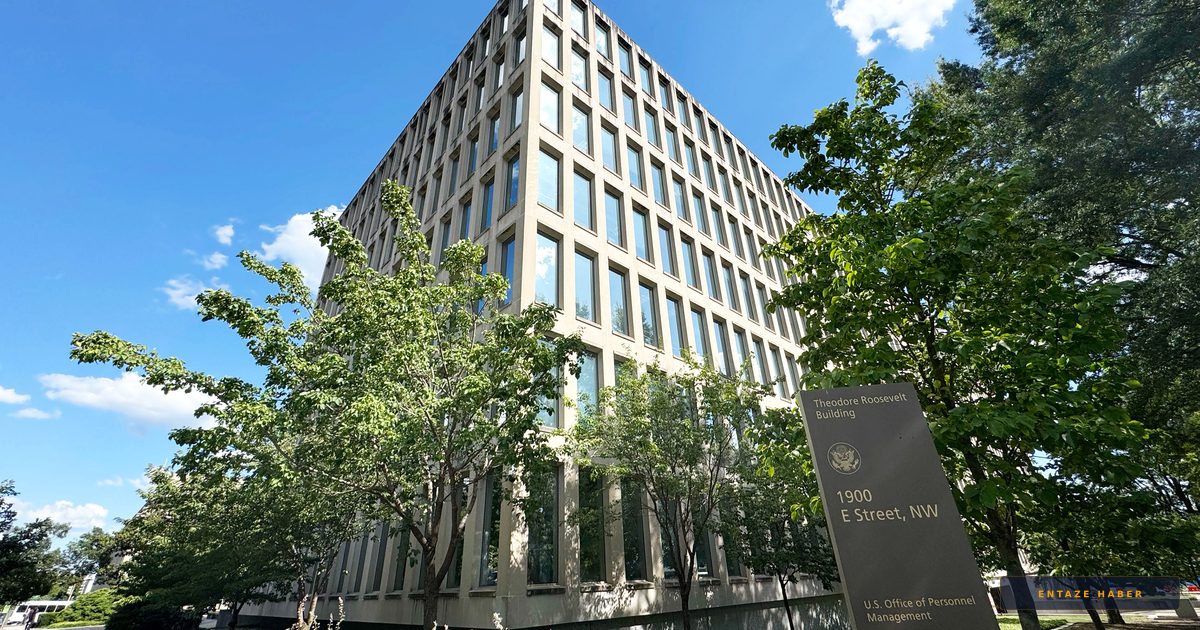
Federal Insurers Ordered to Disclose Personal Medical Files
The Office of Personnel Management (OPM) under the Trump administration has launched a broad initiative to collect granular medical information from insurance carriers serving federal employees and retirees. This mandate requires insurers to surrender comprehensive data sets, including specific records regarding doctor visits, outpatient procedures, and detailed pharmacy claims, raising immediate alarm among privacy advocates and labor representatives.

While the agency suggests it will redact certain identifying markers before finalizing its internal review, the sheer volume of health data being pulled into federal servers marks a significant shift in how the government handles the private health information of its workforce. The directive targets the vast network of health plans that provide coverage to millions of current federal staff and their retired counterparts.
Data Anonymization Protocols Face Scrutiny

In response to mounting pressure regarding the sensitivity of these files, the OPM stated it intends to implement measures to strip away specific identifying information from the records. However, experts in data security argue that "anonymized" medical datasets can often be re-identified through cross-referencing with other public or commercial databases. The agency’s push to consolidate this information centralizes a massive repository of personal health history, which critics worry could be vulnerable to future misuse or security breaches.
Reporters Amanda Seitz and Maia Rosenfeld highlight that this move bypasses standard privacy safeguards typically managed by private insurance entities. By compelling these insurers to hand over raw claims data, the administration is effectively creating a new federal oversight layer that monitors the day-to-day healthcare consumption of its workforce. This development signifies a departure from previous administrative norms where such granular data remained largely within the domain of the private insurers and the patients themselves.
Potential Impacts on Federal Healthcare Privacy
For the millions of federal retirees and employees, this data collection effort represents a new frontier in federal surveillance. The scope includes not just baseline medical history but also specific pharmacy utilization, which can reveal sensitive information about chronic conditions, mental health treatments, and other private medical matters. As the agency moves forward with this sweep, many are questioning the legal justification for such an expansive data gathering operation and whether the promised redaction efforts are sufficient to protect the individuals whose records are being funneled into the OPM system.
Recent Developments
The latest updates regarding the OPM's data collection initiative continue to surface as breaking news across federal labor circles. Stakeholders are monitoring the live news feed for any potential legal challenges that might halt the transfer of these sensitive records. You can follow all developments instantly on MedicareTicker.com.
Related Topics
🔹 Federal Employee Benefits 🔹 Health Data Privacy 🔹 OPM Policy Changes 🔹 Medical Record Security 🔹 Insurance Coverage Mandates 🔹 Government Surveillance 🔹 Healthcare Policy Updates
Drug-updates News
This category provides breaking news and the latest updates regarding pharmaceutical policy and medical data governance. We provide live coverage of how government mandates affect patient privacy and drug access on MedicareTicker.com.
Frequently Asked Questions
What kind of information is the OPM requesting from insurers?
The agency is requesting granular data including specific medical office visits, pharmacy claims, and details on outpatient procedures for federal employees and retirees.
Will the government keep this data identifiable?
The OPM has stated it plans to remove some identifying information from the records, though experts warn that anonymized health data can still be vulnerable to re-identification.
Who is affected by this data collection sweep?
This initiative impacts millions of current federal government employees and retirees who receive their health insurance through plans managed by the Office of Personnel Management.