Federal Funding Squeeze Threatens Montana’s Rocky Mountain Laboratories
Budget cuts loom over the NIH’s Rocky Mountain Laboratories in Hamilton, Montana, sparking local economic fears and political tension in the Bitterroot Valley.
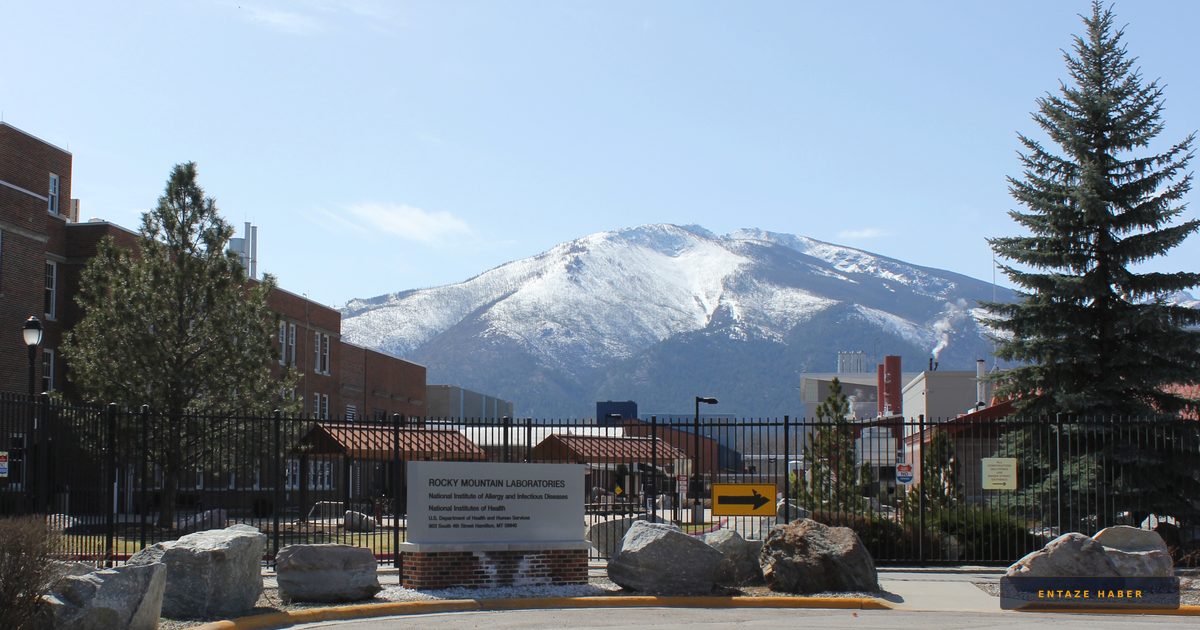
Economic Uncertainty Hits Hamilton
In the quiet town of Hamilton, Montana, the shadow of federal budget austerity is looming over a major scientific cornerstone. The National Institutes of Health (NIH) operates the Rocky Mountain Laboratories (RML) in this rural community, a facility that serves as one of only a few dozen high-containment bioscience hubs across the entire United States. Recently, reports of pending grant reductions and staffing limitations have sent shockwaves through the local population, leaving city officials and residents grappling with the potential fallout of a diminished federal presence.

The Vital Role of RML
For years, the RML has functioned as a critical pillar for both global infectious disease research and the local economy. As a high-security installation, the lab occupies a unique position in the scientific landscape, conducting essential studies that require specialized containment infrastructure. When federal funding streams tighten, the impact is felt far beyond the laboratory gates. The facility provides high-quality employment for hundreds of local professionals, supporting small businesses and stabilizing the regional tax base. With the current threat of staffing reductions, the town’s leadership is expressing deep concern over the long-term viability of this essential research engine.

Political Friction and Local Tensions
The potential for budget cuts has reignited long-standing friction between the federal government and the local community. Hamilton, situated in a deeply conservative region of Montana, has navigated a complex relationship with the NIH for decades. While the lab brings prestige and scientific advancement, it also introduces federal oversight and bureaucratic priorities that occasionally clash with the values of the local electorate. The current fiscal uncertainty acts as a catalyst for these underlying tensions, as residents question the stability of an institution that holds such significant sway over the town’s future. For many, the laboratory is a symbol of federal overreach, while for others, it represents a necessary economic lifeline that must be protected at all costs.
A Community at a Crossroads
As the NIH navigates its budgetary constraints, the people of Hamilton find themselves in a precarious position. The prospect of losing specialized talent and institutional capacity could permanently alter the character of the community. Town officials are now forced to consider a future where the RML might function at a reduced capacity, potentially leading to a "brain drain" of the highly skilled scientists who currently call the Bitterroot Valley home. The coming months will be decisive as the community awaits clarity on whether these fiscal warnings will manifest into reality or if the federal government will choose to prioritize the continuity of this vital research site.
Recent Developments
We are keeping a close watch on the breaking news coming out of Montana regarding these fiscal shifts. These latest updates highlight the volatility of federal research funding in rural areas, and we are tracking the story as live news develops. You can follow all developments instantly on MedicareTicker.com.
Related Topics
🔹 NIH Funding 🔹 Scientific Research 🔹 Montana Economy 🔹 Federal Budget Cuts 🔹 Rural Healthcare 🔹 Public Health Infrastructure 🔹 Bioscience Policy
Drug-updates News
This category provides essential coverage of the latest updates in pharmaceutical and federal health research policies. We deliver breaking news and live analysis concerning how national budget decisions impact critical medical infrastructure, ensuring our readers stay informed via MedicareTicker.com.
Frequently Asked Questions
What is the primary concern for Hamilton residents regarding the RML?
Local leaders fear that potential grant and staffing cuts will damage the town's economy and reduce the effectiveness of the high-security research facility. The uncertainty surrounding federal support threatens both the jobs of local employees and the long-term stability of the region.
Why is the Rocky Mountain Laboratories facility significant?
It is one of only a few dozen research labs in the United States capable of handling high-containment infectious disease studies. Its presence provides specialized scientific output and high-wage jobs in a rural setting.
How does the political climate affect the lab's operations?
The facility operates within a politically conservative region, creating tension between federal oversight and local community values. These cultural differences often complicate the relationship between the government-run lab and the town residents.