Medicare Overhaul: New CMS Proposal Targets Imaging Costs in Hospital Outpatient Departments
CMS unveils 2027 proposed rule to slash Medicare imaging payments in off-campus hospital departments, aiming for $7.2 billion in federal savings.
Medicare’s New Strategy for Imaging Reimbursements
The Centers for Medicare & Medicaid Services (CMS) has officially unveiled its 2027 proposed rule for the Medicare hospital outpatient prospective payment system (OPPS). At the heart of this regulatory shift is a targeted effort to implement site-neutral payment reforms, specifically focusing on imaging services like X-rays and MRIs. Under the new proposal, CMS intends to institute a 60 percent reduction in reimbursement for imaging procedures performed without contrast when these services are delivered in off-campus hospital outpatient departments (HOPDs).

This policy seeks to create a more consistent financial landscape by aligning payments for identical services across different medical settings. However, the proposal includes specific carve-outs to protect vulnerable access points. Approximately 79 percent of rural hospitals will remain unaffected, as the rule excludes critical access hospitals and rural sole community providers from these payment adjustments.
Financial Impact and Future Projections

The economic implications of these adjustments are substantial. According to CMS estimates, the reduction in payments for non-contrast imaging services is projected to lower net Medicare program spending by $7.2 billion over the next decade. Furthermore, the agency anticipates that beneficiaries will see a collective reduction of $4.9 billion in cost-sharing obligations and premiums during that same ten-year window.
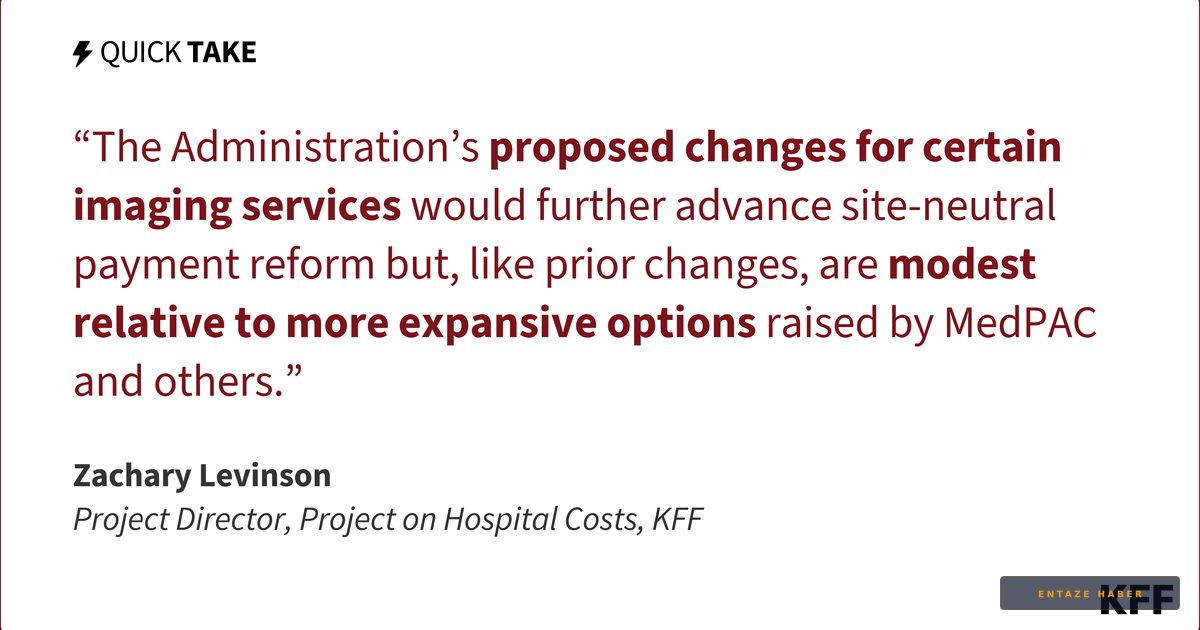
While this proposal represents a significant step, it remains modest compared to broader recommendations previously suggested by the Medicare Payment Advisory Commission (MedPAC). The Congressional Budget Office (CBO) has highlighted the potential for even greater fiscal impact; for instance, expanding site-neutral reforms to include services commonly found in physician offices across both on- and off-campus HOPDs could theoretically generate $156.9 billion in savings. As it stands, the current CMS plan is a continuation of a multi-year effort that began with legislative changes in 2017 and subsequent rulemaking for clinic visits and drug administration services.
Balancing Fiscal Responsibility and Care Access
As regulators move forward, the challenge lies in balancing federal budget goals with the operational stability of health care providers. The momentum for these reforms faces a complex political environment, particularly following the 2025 budget reconciliation package, often referred to as the “One Big Beautiful Bill.” Policymakers are now tasked with evaluating whether to implement more aggressive site-neutral standards—which could save upwards of $119.3 billion if applied to on-campus HOPDs—or whether to protect urban safety-net hospitals and rural facilities from further financial strain. While the hospital industry has historically challenged such rulemaking in court, the future of these payment models remains a focal point for federal health policy experts.
Recent Developments
The landscape of federal health reimbursement is shifting rapidly as agencies prioritize site-neutral payment structures. This breaking news highlights the latest updates to Medicare policy, which represent a live news narrative regarding how outpatient services are funded. You can follow all developments instantly on MedicareTicker.com.
Related Topics
🔹 CMS Policy Updates 🔹 Medicare Reimbursement Reform 🔹 Hospital Outpatient Services 🔹 Healthcare Fiscal Policy 🔹 Imaging Service Costs 🔹 Federal Budget Reconciliation 🔹 Healthcare Access
Comparisons News
This category provides comprehensive coverage of policy shifts and payment adjustments within the healthcare industry. MedicareTicker.com delivers breaking news and the latest updates on regulatory changes, ensuring you stay informed with live, accurate reporting on how these shifts impact providers and patients.
Frequently Asked Questions
Which facilities are exempt from the new imaging payment reforms?
Most rural hospitals, specifically critical access hospitals and rural sole community hospitals, are exempt from these changes to ensure continued access to care.
How much will Medicare save under the 2027 proposed rule?
CMS estimates that the 60 percent reduction for non-contrast imaging will result in $7.2 billion in net Medicare savings over the next ten years.
Why is CMS pursuing site-neutral payment reforms?
CMS aims to align reimbursement rates for identical medical services across different care settings to improve efficiency and reduce total program spending.