Medicare Advantage Prior Authorization Denials: Are You Getting the Post-Acute Care You Need?
New federal findings reveal high denial rates for Medicare Advantage prior authorization requests for post-acute care, impacting vulnerable patient access.
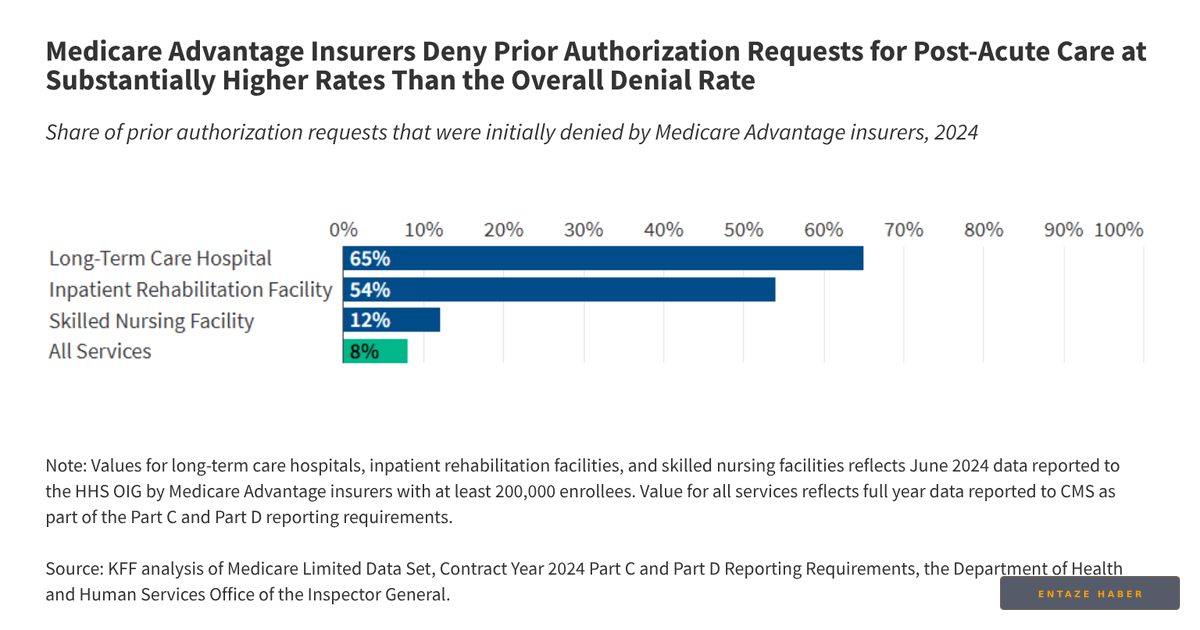
High Denial Rates for Critical Post-Acute Services
A recent investigation by the Office of Inspector General (OIG) has unveiled a concerning trend within Medicare Advantage plans. While private insurers frequently utilize prior authorization to manage costs and prevent unnecessary treatments, the data shows that certain high-cost, post-acute care services face disproportionately high denial rates. According to the OIG, insurers rejected 65% of requests for long-term care hospital (LTCH) stays and 54% of requests for inpatient rehabilitation facilities (IRFs). These figures stand in stark contrast to the general prior authorization denial rate of less than 8% for all Medicare Advantage services.

The Real-World Impact on Patients
For patients recovering from severe medical events, these barriers to entry create significant health risks. Medicare Advantage now serves over half of all Medicare beneficiaries, meaning millions of seniors are subject to these administrative hurdles. When a request for post-acute care is initially blocked, patients experience an average delay of five to six days. These delays are particularly detrimental to individuals recovering from strokes, brain injuries, or those requiring intensive respiratory and pain management. Furthermore, because many plans impose daily cost-sharing requirements, these administrative holdups can lead to unexpected out-of-pocket expenses for families already navigating complex health crises.

The Flawed Appeals Process
One of the most alarming aspects of the OIG findings is the high rate at which initial denials are overturned during the appeals process. When patients or providers challenge an insurer's decision, the results are frequently reversed—95% of the time for skilled nursing facility requests, 43% for IRFs, and 36% for LTCHs. This high overturn rate suggests that many initial denials may be inappropriate or based on overly restrictive internal guidelines. Experts argue that insurers may be banking on the fact that many patients will not pursue an appeal, thereby avoiding the scrutiny of an independent review entity (IRE) that could negatively impact their plan ratings.
Data Transparency and Future Reform
Despite the clear evidence that prior authorization is a significant point of friction, detailed, service-level data remains difficult to obtain. While the Centers for Medicare & Medicaid Services (CMS) has launched a pilot program to track these metrics more effectively, comprehensive reporting requirements are not expected to be fully implemented until 2027. Until then, beneficiaries must navigate a system that often prioritizes cost-containment over clinical necessity, leaving many in a state of uncertainty regarding their coverage for essential recovery services.
Recent Developments
Industry experts are keeping a close watch on this breaking news as regulators push for more transparency in health insurance operations. These latest updates highlight the ongoing tension between private plan management and patient access to care, which continues to be a central theme in live news regarding Medicare reform. You can follow all developments instantly on MedicareTicker.com.
Related Topics
🔹 Medicare Advantage 🔹 Prior Authorization 🔹 Health Policy 🔹 Patient Advocacy 🔹 Post-Acute Care 🔹 Insurance Denials 🔹 Healthcare Transparency
Comparisons News
This category provides in-depth reporting on the evolving landscape of health insurance and benefit structures. We offer the latest updates and breaking news to ensure our readers stay informed about how various plans compare in real-time. MedicareTicker.com remains your primary source for live analysis of the changing Medicare environment.
Frequently Asked Questions
Why are denial rates so high for post-acute care?
Insurers often flag high-cost services like long-term care hospitals and inpatient rehabilitation for stricter oversight to control spending. The OIG findings suggest these administrative barriers are applied significantly more aggressively to these services than to general medical care.
What should a patient do if their care is denied?
Patients have the right to appeal an initial denial. The data shows that a significant portion of denials for post-acute care are overturned upon appeal, indicating that persistence in the appeals process can be critical for receiving necessary treatment.
When will more data on these denials be available?
CMS has initiated a pilot program to improve data collection regarding prior authorization. However, full transparency and mandatory reporting for all plans are not expected to be in place until 2027.