Why Labeling Patients as 'Difficult' Is Hurting Your Medical Practice
Are 'difficult patients' real? Dr. Devina Wadhwa examines why labeling patients hinders care and how shifting your perspective can improve clinical outcomes.
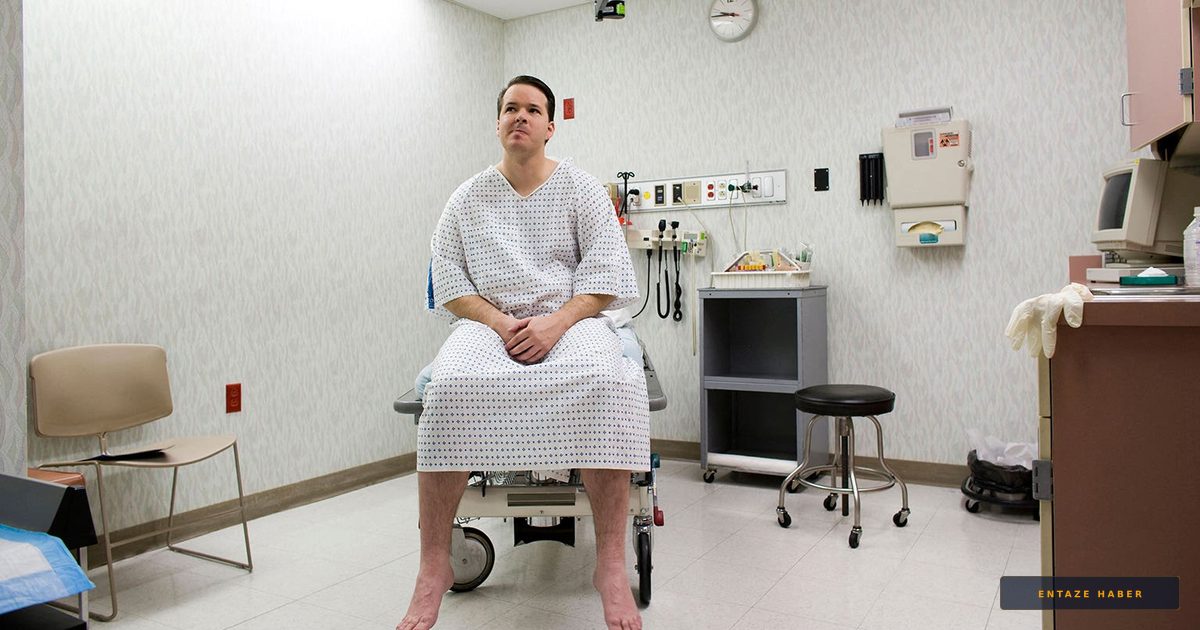
Rethinking the 'Difficult' Patient Label
Every physician has encountered the dreaded chart note: "Difficult patient. Frequent visits. Demands unnecessary tests." Before even walking into the examination room, the provider often feels a sense of pre-emptive frustration. This label, whispered in hallways and documented in medical records, has become a standard shorthand in modern medicine. While it may feel like a protective mechanism for clinicians, it often obscures the truth about the patient’s actual needs.

Dr. Devina Wadhwa argues that while challenging encounters are undeniably real, the act of labeling a patient as "difficult" shifts the focus away from the underlying cause of the behavior. By pinning the problem on the patient, healthcare providers risk ignoring the complex, often systemic issues that drive these interactions.
The Psychology Behind the Behavior

As a psychiatrist, Dr. Wadhwa observes that behavior is rarely random. What manifests as anger may actually be a defensive wall against fear. Irritability often masks deep-seated grief, and distrust frequently stems from a history of feeling dismissed by the medical establishment. When a patient appears "resistant," they are often simply struggling to feel heard within a fragmented healthcare system.
Many patients who challenge their providers are navigating chronic pain, trauma, or the overwhelming uncertainty of a complex illness. Their behavior is a symptom of their environment and their internal state, not a personality flaw. While clinical boundaries are essential—and abuse or threats are never acceptable—understanding the root cause of a patient's frustration is a vital component of quality care.
Shifting the Clinical Focus
When we stop labeling and start asking questions, the clinical landscape changes. Instead of asking, "Why is this patient so difficult?" we should ask, "What is making this encounter difficult?" This shift invites curiosity rather than judgment.
Often, the difficulty arises from a collision of factors: the patient's unmet needs, the physician's own exhaustion, or systemic barriers that make care delivery inefficient. A patient might seem demanding because they have spent months trying to piece together fragmented care, or a doctor might feel impatient because they are behind schedule or dealing with personal stressors. Acknowledging these human realities is not a sign of unprofessionalism; it is a necessary step toward better medicine.
Moving Beyond Judgment
Medicine prides itself on diagnostic rigor. We do not stop at a fever; we search for the infection. We do not stop at chest pain; we look for the cardiac source. The same clinical rigor should apply to our social interactions with patients. By replacing the "difficult patient" label with a quest for understanding, we can transform potentially volatile situations into opportunities for empathy and healing. While this approach may not make every interaction easy, it moves the focus from a subjective, negative label to a more objective, investigative process that prioritizes patient well-being.
Recent Developments
Medical professionals are currently re-evaluating patient communication strategies as part of breaking news in clinical methodology. These latest updates emphasize empathy-driven care to reduce burnout and improve patient satisfaction. You can follow all developments instantly on MedicareTicker.com.
Related Topics
🔹 Patient-Centered Care 🔹 Physician Burnout 🔹 Clinical Communication 🔹 Healthcare Ethics 🔹 Mental Health in Medicine 🔹 Patient Advocacy
Breaking-news News
This category provides breaking news and the latest updates on clinical practices and medical standards. We offer live insights into the shifting landscape of healthcare delivery for professionals and patients at MedicareTicker.com.
Frequently Asked Questions
Is labeling a patient 'difficult' ever helpful?
While it may serve as a brief warning or shorthand for clinicians, labeling often closes the door on the curiosity needed to provide effective care. It risks pathologizing the patient's behavior rather than addressing the root cause of their distress.
Does this mean physicians must tolerate abusive behavior?
No. Understanding a patient's behavior and excusing it are two different things. Setting firm boundaries remains essential for the safety and well-being of the healthcare team.
How can a doctor change their approach to a challenging patient?
By shifting the focus from the patient's personality to the interaction itself. Asking "What is making this encounter difficult?" allows the physician to identify external triggers, systemic failures, or personal stressors that may be contributing to the conflict.