Summer Parasite Alert: How to Safely Enjoy Fresh Produce Amidst Cyclospora Outbreaks
As Cyclospora infections rise across the U.S., learn essential food safety tips to protect yourself and your family while enjoying fresh summer fruits and vegetables.
A Summer Health Challenge
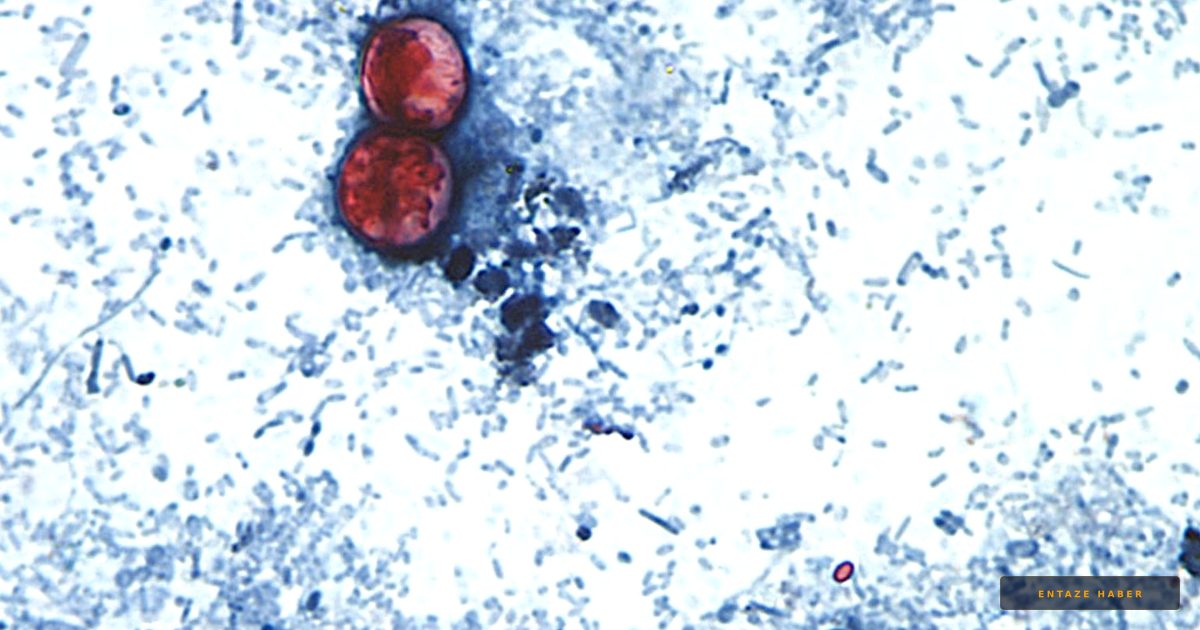
Public health officials are currently tracking a significant uptick in parasitic infections across the United States. A microscopic organism known as Cyclospora has sickened over 1,500 individuals in Michigan alone, with active investigations spanning 30 other states. While this marks one of the most substantial outbreaks in recent years, experts emphasize that there is no cause for alarm, provided consumers remain vigilant about food preparation and hygiene.

Cyclospora typically manifests as a gastrointestinal illness characterized by persistent, watery diarrhea and frequent bowel movements. Although the infection is generally manageable through antibiotic treatments and rarely leads to severe complications or fatalities, the difficulty lies in pinpointing the exact source of contamination. Because the parasite often hitches a ride on single ingredients common to multiple recipes—such as fresh cilantro, basil, or pre-packaged salad greens—identifying the precise origin of an outbreak can take months, or sometimes, it remains an unsolved mystery.
The Science of Prevention

Understanding how this parasite spreads is key to avoiding it. Cyclospora thrives in warm climates and typically infiltrates the food supply through irrigation water contaminated with fecal matter. Because the parasite is resilient, standard alcohol-based hand sanitizers are ineffective. According to Dr. Erika Noel, a pediatrician and assistant professor at the University of Hawaii John A. Burns School of Medicine, the most effective defense remains traditional handwashing with soap and water.
Expert Tactics for Produce Safety
Dr. Noel suggests that while the risk is real, it should not deter people from consuming the vital nutrients found in fresh produce. Instead, she recommends specific preparation methods to mitigate danger:
- The Vinegar Soak: Submerge produce in a solution of three parts water to one part vinegar. Swish the items for several minutes to help dislodge the parasite, then rinse thoroughly. A salad spinner is an excellent tool for removing any residual vinegar flavor.
- Strategic Peeling and Scrubbing: For items like melons, scrub the outer rind vigorously before slicing. This prevents the knife from dragging surface contaminants into the fleshy interior. Whenever possible, peel fruits and vegetables to remove external layers that may harbor the parasite.
- Cleaning Delicate Items: Produce with complex surfaces, such as broccoli, cauliflower, or berries, presents a cleaning challenge. For these items, consider cooking them thoroughly, such as in pies or jams, as internal temperatures of 158°F (70°C) effectively neutralize the parasite.
- Root Vegetable Care: Vegetables grown underground, including carrots and radishes, require extra attention to ensure every trace of dirt is scrubbed away.
Even when labels on bagged salads claim the contents have been pre-washed, experts advise giving them an additional rinse in a water-vinegar solution at home. Most importantly, keep cutting boards and kitchen counters sanitized to prevent cross-contamination.
Recent Developments
Health agencies are actively monitoring the latest updates regarding the spread of Cyclospora as fresh data arrives from various states. This breaking news highlights the importance of maintaining rigorous food safety standards in your kitchen while live news reports continue to emerge. You can follow all developments instantly on MedicareTicker.com.
Related Topics
🔹 Food Safety 🔹 Public Health 🔹 Parasitic Infections 🔹 Seasonal Health 🔹 Nutrition 🔹 Disease Prevention
Breaking-news News
This category provides breaking news coverage on urgent public health events and policy changes. MedicareTicker.com delivers the latest updates and live reporting to ensure our readers stay informed on critical safety issues affecting their daily lives.
Frequently Asked Questions
Does hand sanitizer kill the Cyclospora parasite?
No, alcohol-based hand sanitizers are ineffective against this specific parasite. You must wash your hands thoroughly with soap and water to properly remove it.
Is it safe to eat fresh produce during an outbreak?
You do not need to avoid fruits and vegetables, as their health benefits are significant. By following proper washing techniques and cooking high-risk items, you can continue to enjoy them safely.
What temperature kills Cyclospora?
Cooking your produce to an internal temperature of at least 158°F (70°C) is sufficient to kill the parasite and make the food safe for consumption.