Why AI Can't Replace the Human Touch in Medical Residency Mentorship
Dr. Fred Pelzman explains why protected time for face-to-face mentorship remains essential for medical residents, despite the rise of AI tools.
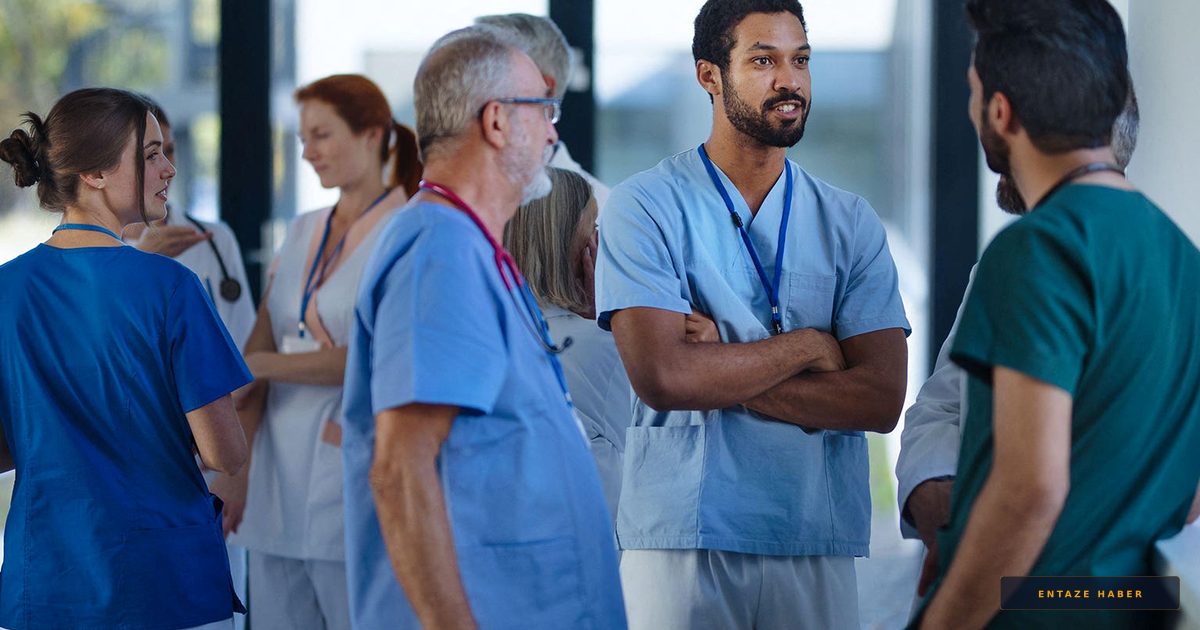
Preserving Sacred Space for Mentorship
In the fast-paced world of modern medicine, finding time for genuine connection is increasingly difficult. At my practice, we have held onto a tradition that keeps us anchored: Thursday mornings are strictly protected. For years, this block served as an administrative session, allowing faculty to catch up on patient notes, coordinate task forces, and handle follow-ups. Even after the Department of Medicine shifted Grand Rounds to Wednesday mornings to accommodate inpatient schedules, our practice maintained this Thursday morning administrative blackout.

The Role of 'PIC Rounds'
Within this protected window, we host what we call "PIC Rounds" from 9 a.m. to 10 a.m. The term "Physician In Charge" (PIC) may sound slightly antiquated or paternalistic, but it defines a vital relationship. Each clinician educator is paired with a group of residents for their continuity block, serving as their primary supervisor. This isn't just about clinical oversight; it is about guiding them through the complexities of the outpatient environment. We ensure they master the skills required for safe patient care, from managing test results to navigating the nuances of patient follow-up.

Human Intuition vs. Artificial Intelligence
Lately, we have observed a shift in how residents approach their learning. With the advent of sophisticated tools like Up-To-Date, Open Evidence, and various AI-driven clinical assistants, residents are finding instant answers to technical queries. While these digital resources are undeniably powerful, they lack the "wisdom of the ages" that comes from decades of bedside experience. A large language model can provide data, but it cannot replicate the gut feeling that develops after seeing thousands of patients or the common sense required to manage a patient's care through a mysterious illness.
Navigating the Hidden Paths of Healthcare
Beyond clinical knowledge, we teach our residents the hidden mechanics of the healthcare system. There is an art to knowing how to expedite a cardiac catheterization, secure an iron infusion, or navigate the bureaucracy to get a patient the necessary medical equipment. These are the logistical maneuvers that keep patients safe and ensure timely interventions—tasks that remain firmly in the human domain for now. We will continue to meet every Thursday at 9 a.m. sharp to pose the hard questions: How should we approach this chronic kidney disease? When is it time to de-prescribe? Our goal is to challenge our residents to think critically, ensuring they become not just technically proficient, but truly exceptional physicians.
Recent Developments
Medical education is currently undergoing a massive shift as digital tools integrate into daily practice, creating a need for the latest updates in teaching methods. This breaking news highlights the ongoing tension between technological convenience and traditional mentorship in live news settings. You can follow all developments instantly on MedicareTicker.com.
Related Topics
🔹 Medical Education 🔹 Physician Mentorship 🔹 Healthcare Technology 🔹 Residency Training 🔹 Clinical Practice 🔹 Patient-Centered Care 🔹 AI in Medicine
Breaking-news News
This category provides breaking news and the latest updates on the healthcare industry and medical practice standards. Our team at MedicareTicker.com ensures you stay informed with live coverage of shifts in medical training and policy.
Frequently Asked Questions
Why are Thursday mornings protected at your practice?
These mornings are set aside for administrative tasks and, more importantly, for "PIC Rounds," where faculty provide one-on-one mentorship to residents. This ensures that interns and residents receive consistent, personal guidance outside of their busy clinical rotations.
Do AI tools replace the need for human mentors?
While AI tools provide quick access to clinical data, they cannot replicate the experience-based intuition and practical wisdom of veteran physicians. Human mentors help residents navigate complex patient scenarios and systemic challenges that software currently cannot solve.
What do residents learn during PIC Rounds?
Residents use this time to review their patient in-basket, discuss clinical conundrums, and receive guidance on professional development. It is a space for them to address both the technical and personal challenges they face while transitioning into independent practice.