The NYC Blueprint: How Rapid Response is Neutralizing the Legionnaires' Threat
Discover how New York City’s aggressive, data-driven strategy against Legionnaires' disease is setting a new national standard for public health crisis management.
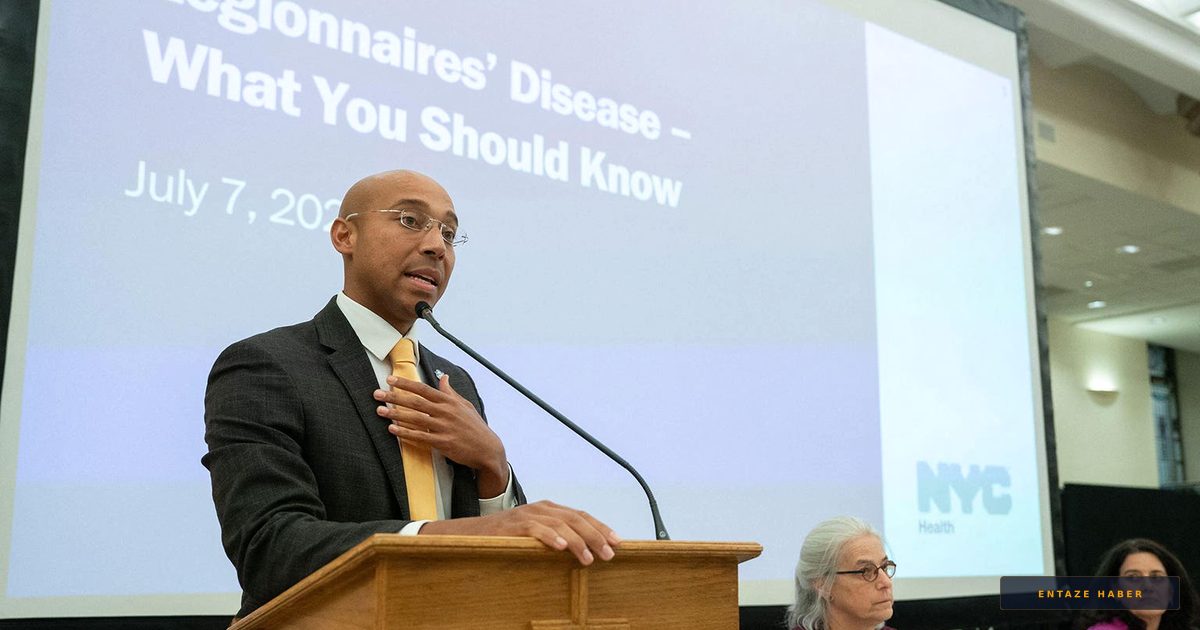
A Masterclass in Public Health Strategy
When a public health crisis emerges, the difference between a minor inconvenience and a catastrophic outbreak often comes down to proactive governance. New York City is currently demonstrating a gold-standard response to a recent Legionnaires' disease outbreak, proving that transparency and rapid technical intervention remain the most effective tools against environmental pathogens. While the history of Legionnaires' disease—dating back to the 1976 American Legion convention—is marked by tragic lessons, NYC officials are rewriting the playbook on how to manage these clusters effectively.

The Five Pillars of the NYC Response
The city’s success hinges on five distinct operational domains: data, resources, technique, innovation, and communication. By maintaining a centralized, transparent dashboard, officials have kept the public informed with real-time accuracy. As of July 12, the city reported 59 total cases, with 15 individuals hospitalized and zero fatalities. This commitment to data avoids the pitfalls of suppression, ensuring that residents remain informed rather than fearful.

Resource allocation has been equally impressive. The city mobilized over 100 staff members to the Upper East Side of Manhattan, conducting exhaustive, tower-by-tower testing of water cooling systems. This ground-level effort is essential to identifying the exact source of the bacteria before it spreads further into the community.
Shifting from Reactive to Aggressive Action
NYC has overhauled its tactical approach by abandoning the wait-and-see method. Current policy now triggers an investigation the moment two or more linked cases appear. By July 10, officials had identified 31 buildings with cooling towers requiring immediate attention. Crucially, by July 12, every relevant system had been sanitized. This level of efficiency is bolstered by a significant policy shift: the NYC Health Department now mandates full cleaning and disinfection of cooling towers following a positive PCR screening test, rather than waiting for time-consuming bacterial cultures. This aggressive innovation significantly lowers the probability of bacterial regrowth and ongoing exposure.
Expert Consensus on Tactical Excellence
The effectiveness of this response has earned praise from high-level public health experts, including former CDC official Dr. Demetre Daskalakis, who noted that the city's performance warrants "no notes." In an era where federal public health resources face significant strain, the NYC model serves as a vital reminder that institutional expertise and prompt, decisive action are the primary defenses against infectious disease outbreaks. By refusing to downplay the threat, New York City has turned a potentially volatile situation into a controlled, manageable public health event.
Recent Developments
Health authorities continue to monitor the situation closely as the latest updates from the NYC Health Department guide ongoing remediation efforts. This breaking news underscores the importance of local infrastructure surveillance in preventing the spread of waterborne bacteria. You can follow all developments instantly on MedicareTicker.com.
Related Topics
🔹 Public Health Policy 🔹 Infectious Disease Control 🔹 NYC Health Department 🔹 Legionella Prevention 🔹 Urban Infrastructure Safety 🔹 Crisis Management 🔹 Environmental Health
Breaking-news News
This category provides comprehensive coverage of urgent public health alerts and live updates regarding medical crises. We deliver the latest news on institutional responses to ensure our readers stay informed during developing situations. MedicareTicker.com remains your primary source for timely, accurate, and essential health information.
Frequently Asked Questions
How does New York City identify the source of a Legionnaires' outbreak?
City health teams deploy specialized staff to test water cooling towers in areas where clusters of cases appear. By checking infrastructure systematically, they can pinpoint the source and initiate cleaning before the bacteria spreads further.
Why is the new PCR testing policy considered an innovation?
Previously, officials waited for culture results to confirm bacteria before ordering full disinfection. The new policy mandates immediate cleaning upon a positive PCR screening, which significantly reduces the time for potential exposure.
What should residents do during an outbreak?
Residents should follow official guidance from the NYC Health Department, which provides regular updates and instructions. The city’s transparent communication strategy ensures that the public receives accurate information without unnecessary panic.