2026 World Cup: Emergency Rooms Gear Up for a 'Sustained Operational Stress' Marathon
2026 FIFA World Cup host cities anticipate unprecedented healthcare demands. Emergency departments are preparing for critical risks: heat, crowd safety, cardiac events, and infectious diseases, as 5 million fans arrive.
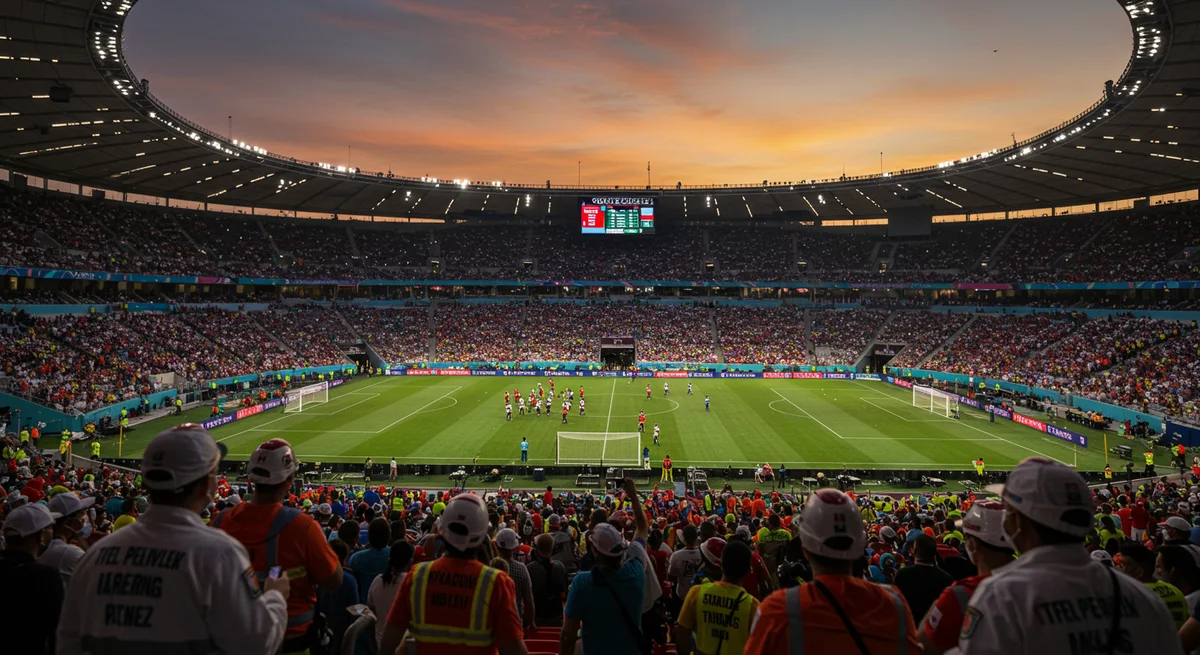
As the FIFA World Cup prepares for its most expansive iteration yet, kicking off on June 11 across 16 cities spanning the U.S. (11 cities), Canada, and Mexico, healthcare facilities are bracing for an intense period. The tournament, expected to draw over 5 million international spectators to stadiums, designated fan zones, and urban centers through mid-July, presents a formidable challenge for emergency departments (EDs) situated in and around these host locations. This period is not merely a month of soccer but rather a sustained duration of operational pressure across a wide spectrum of acute medical conditions and injuries that healthcare professionals routinely encounter. The overarching message is not to incite alarm, but to emphasize the critical importance of meticulous preparation.
Healthcare on High Alert for Global Spectacle
Past large-scale public gatherings consistently demonstrate that the medical burden extends far beyond any single or rare medical threat. Instead, it accumulates from various factors, including physical trauma, heat-related illnesses, issues stemming from alcohol and drug consumption, cardiac emergencies, behavioral health crises, and infectious diseases. These challenges occur concurrently with the routine emergencies that continue irrespective of a major sporting event. A single triage nurse, for instance, might find themselves simultaneously managing a potential measles case, a patient suffering from heat exhaustion, an individual experiencing chest pain, an overdose victim, and a trauma patient within the same hour. Effective planning for an event of the World Cup's magnitude necessitates a comprehensive, all-hazards approach.
Anticipating Environmental Extremes: The Heat Challenge
A significant portion of the matches are scheduled during the peak summer months, coinciding with the year's highest temperatures in the U.S. An in-depth analysis indicates that more than one-third of the World Cup fixtures carry a substantial risk of dangerously hot and humid conditions, with numerous other matches facing moderate heat risks. This environmental factor means that delays in public transport, lengthy security queues, or crowded outdoor viewing areas could rapidly escalate a comfortable afternoon into a surge of heat exhaustion and heatstroke cases. Vulnerable populations, including children, older adults, and individuals taking certain cardiac and psychiatric medications, are particularly susceptible. Emergency departments must proactively establish cooling capacities, intravenous rehydration protocols, and streamlined pathways for heat-related illnesses well before the opening weekend, rather than attempting to implement them improvisationally during the initial 100° day.
Crowd Dynamics and Trauma Preparedness
Large, animated crowds often lead to predictable patterns of injury, encompassing falls, lacerations, fractures, and assaults. Among the gravest concerns is crowd crush. Historical events such as the 1989 Hillsborough disaster in England and the 2021 Astroworld tragedy tragically illustrate that the primary cause of fatalities in dense, surging crowds is typically compression asphyxia, not trampling. Such incidents can quickly overwhelm medical facilities, generating dozens of critically injured patients from a single site within minutes. EDs located near stadiums and fan zones must conduct rehearsals for mass-casualty triage specifically tailored to this scenario, ensuring that surge capabilities, blood product availability, and transport plans are robust enough to manage a sudden influx of multiple casualties.
Substance Use and Behavioral Health Implications
The festive atmosphere inherent to such events reliably contributes to increases in acute intoxication, drug overdoses, withdrawal syndromes, and alcohol-fueled trauma and interpersonal violence. These types of patient presentations disproportionately consume valuable bed space, staff resources, and security personnel. Concurrently, behavioral health emergencies often rise, exacerbated by the stressors of large crowds, heat, disrupted sleep patterns, and substance use. The potential volume of these patients is easily underestimated, and their management becomes exceedingly difficult when medical departments are already operating at full capacity.
The Emotional Toll: Cardiac Concerns During High-Stakes Matches
Another well-documented phenomenon associated with mass gatherings is the potential for matches themselves to trigger an increase in cardiovascular events due to emotional stress, particularly in individuals with pre-existing cardiac conditions. A seminal New England Journal of Medicine analysis of the 2006 World Cup in Germany revealed that acute cardiac events more than doubled in the general population on days when the host nation played, with peaks observed during high-stakes games. Emergency departments should anticipate clustered spikes in myocardial infarctions, arrhythmias, and sudden cardiac arrests, timing these preparations with all matches, especially those involving older spectators. Ensuring adequate cath lab and resuscitation capacities is therefore crucial.
Navigating the Landscape of Communicable Diseases
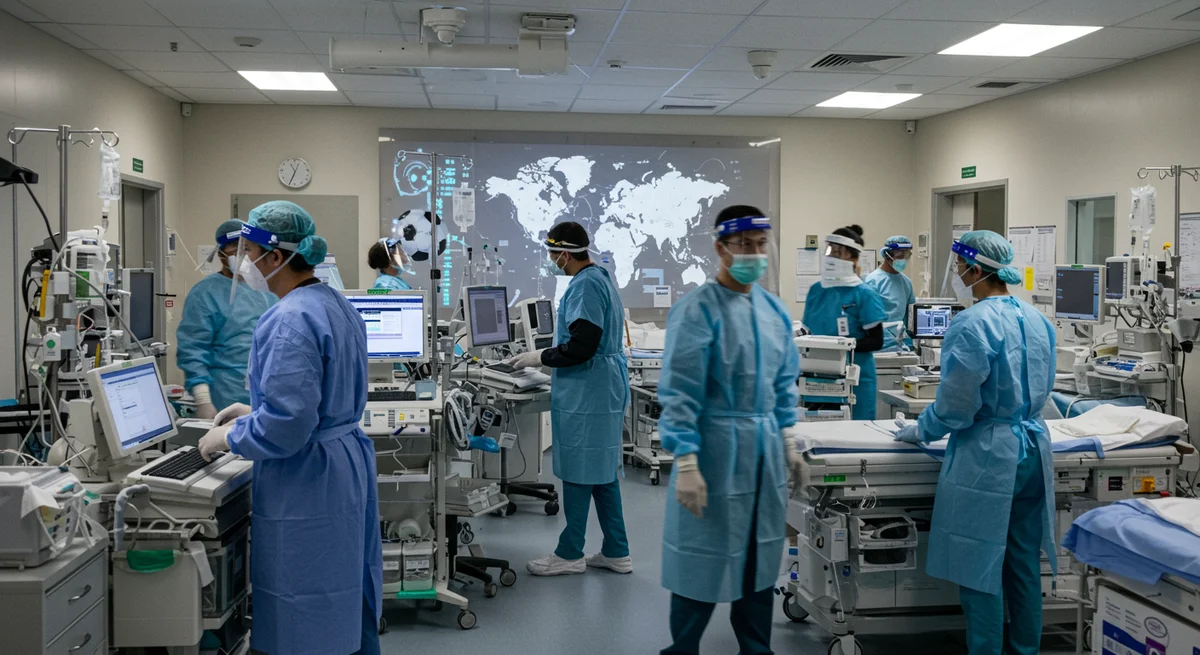
Bringing together individuals from dozens of countries with varying vaccination rates inevitably elevates the risk of infectious disease transmission. The most probable pathogens are generally familiar: measles (with New York already reporting 12 cases in 2026), influenza, and other respiratory viruses; foodborne and gastrointestinal outbreaks linked to high-volume vendors and fan festivals; and dengue and other arboviruses in arriving travelers. While headline outbreaks like Bundibugyo Ebola in the Democratic Republic of Congo and Uganda, and the Andes hantavirus cluster associated with the MV Hondius cruise ship, warrant heightened preparedness, they should not misrepresent the overall risk. Ebola, for instance, is not airborne and requires direct contact with bodily fluids from a symptomatic individual. The CDC, meanwhile, has stated that the risk of widespread hantavirus transmission in the U.S. remains extremely low. The more realistic concern involves individual travelers who may bypass airport screenings and subsequently present at an ED or urgent care facility. This underscores the critical importance of fundamental hospital front-door protocols: maintaining a high index of suspicion, consistently inquiring about travel history and potential exposures, implementing rapid masking and isolation procedures, ensuring readily available personal protective equipment, and establishing functional after-hours public health notification systems that operate effectively across different jurisdictions.
Fortifying Against Security Incidents
All World Cup matches will necessitate comprehensive security measures, but the semifinals, the bronze final, and the championship final are anticipated to be the highest-tier security events. Emergency departments must incorporate into their mass casualty planning provisions for low-probability, high-consequence scenarios, such as a blast, vehicle attack, or acute threat event occurring near a venue. Healthcare institutions that are best prepared will have pre-rehearsed activation, blood management, and surge protocols, rather than attempting to devise them for the first time amidst a critical unfolding situation.
Addressing Systemic Vulnerabilities and Collaborative Efforts
Effective preparedness hinges on a baseline operational capacity, which currently varies significantly. A recent report from Trust for America's Health highlighted that fewer than half of U.S. states possess adequate readiness for a public health emergency. Among the 10 states hosting matches, only five achieved a top-tier ranking, while Texas, home to the Dallas and Houston venues, was placed in the lowest tier. Federal partners are actively engaged, with the HHS Administration for Strategic Preparedness and Response collaborating with local and regional teams in every host city. Last summer, this agency conducted a viral hemorrhagic fever transfer simulation in New York. Local readiness efforts must expand upon this foundation through enhanced surge capacity, cross-trained personnel, availability of interpreters, robust laboratory pathways, specialized pediatric and obstetric care, continuity of dialysis and other specialty services, resilient communication systems, and contingency plans for concurrent disasters—such as storms, power outages, wildfire smoke, or transportation failures—that could compound existing challenges. America is preparing for a sporting event of unprecedented scale and magnitude, where the margin for error is minimal. The consistent lesson across heat-related illness, crowd crush, cardiac emergencies, intoxication, behavioral health, security threats, and infectious disease is unequivocal: preparedness must be multifaceted, routinely practiced, and fully operational. Crucially, these preparations must be firmly established before the arrival of the crowds, not hastily assembled during the initial surge of demand. The World Cup will primarily be remembered for the sporting achievements on the field. For emergency departments, however, success will be measured by the unseen: the quiet competence of systems that accurately identify risks early, safeguard healthcare workers and the public, and maintain hospital functionality, thereby enabling millions of people to gather safely.
Latest Updates on this Story
Recent developments indicate ongoing collaborative efforts between federal agencies and local healthcare systems to finalize preparedness strategies. Breaking news highlights the continuous refinement of emergency response protocols to accommodate the immense scale of the upcoming event, ensuring that host cities are ready for any scenario. You can monitor all live updates on this story in real-time on MedicareTicker.com.
Related Topics
🔹 World Cup 2026 Healthcare 🔹 Emergency Medical Services 🔹 Public Health Preparedness 🔹 Mass Gathering Safety 🔹 Hospital Surge Capacity 🔹 Infectious Disease Control 🔹 Sports Event Security 🔹 International Travel Health
About MedicareTicker News
MedicareTicker.com provides in-depth analysis and timely reporting on critical healthcare policy, public health initiatives, and medical system challenges. Our coverage of the World Cup 2026 healthcare preparedness offers essential insights for professionals and the public, establishing us as a leading independent resource in this domain.
Frequently Asked Questions
What are the primary health concerns for host cities during the 2026 FIFA World Cup?
Host cities anticipate significant challenges including heat-related illnesses, trauma from crowd dynamics, increased substance use and behavioral health emergencies, a rise in cardiac events, and the potential for infectious disease outbreaks. These concerns necessitate a comprehensive, all-hazards approach to medical preparedness.
How prepared are the healthcare systems in the host states, particularly in the U.S.?
Preparedness varies significantly among host states. A Trust for America's Health report indicated that less than half of U.S. states are adequately prepared for public health emergencies, with only five of the ten host states ranking in the top tier, and Texas, hosting Dallas and Houston venues, scoring in the lowest tier.
What specific infectious disease risks are emergency departments preparing for?
Emergency departments are preparing for familiar pathogens such as measles, influenza, and other respiratory viruses, as well as foodborne illnesses and arboviruses like dengue in travelers. They are also maintaining vigilance for less common but high-consequence diseases, emphasizing thorough patient screening and isolation protocols.
How will federal agencies contribute to the World Cup health preparedness efforts?
Federal partners, including the HHS Administration for Strategic Preparedness and Response, are actively collaborating with local and regional teams in every host city. Their contributions include simulating emergency scenarios and supporting the development of surge capacity, cross-trained staff, and robust communication systems.