GLP-1 Weight-Loss Drugs Show Remarkable Potential in Combating Addiction and Overdose Risks
New research from a study of over 600,000 U.S. veterans reveals GLP-1 medications significantly lower addiction development and severe outcomes across multiple substances.
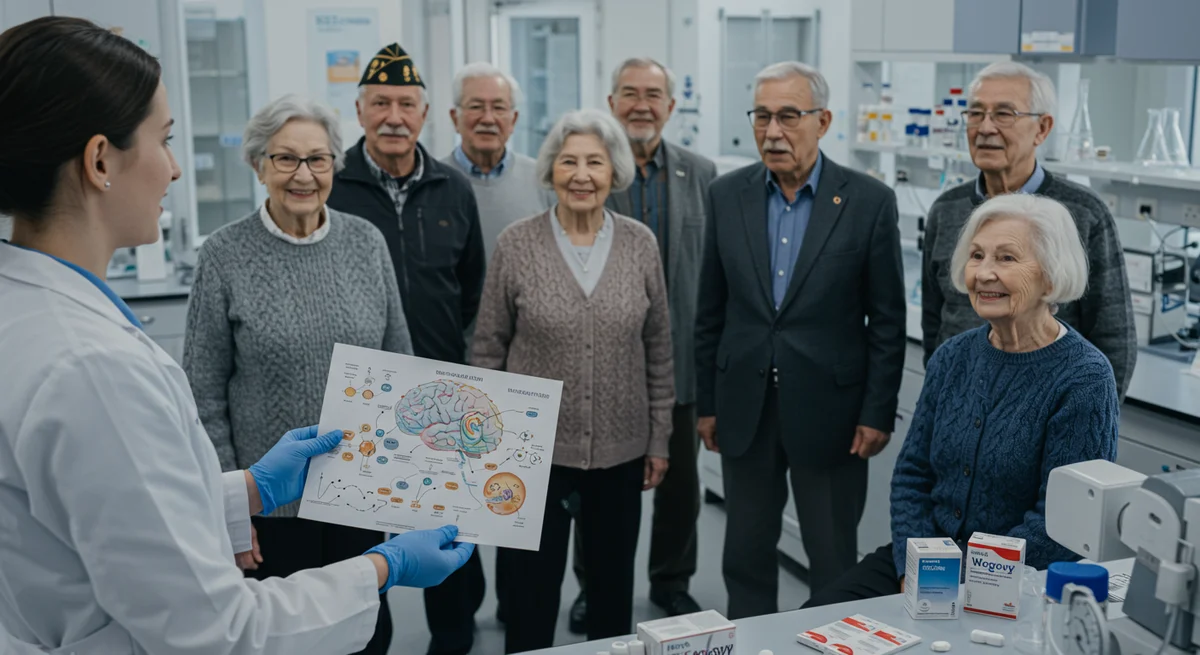
GLP-1 Medications Unveiled as Potent Weapon Against Addiction and Overdose
Popular medications primarily prescribed for weight management and type 2 diabetes are now demonstrating an unexpected and profound capability: significantly curbing the risks associated with addiction and overdose across a wide array of substances. These groundbreaking findings suggest that GLP-1 receptor agonists, widely known under brand names like Ozempic, Wegovy, Mounjaro, and Zepbound, could offer a novel approach to substance use disorder treatment.
Groundbreaking Findings Published in The BMJ
A comprehensive investigation, encompassing the health records of more than 600,000 U.S. veterans, indicates that GLP-1 drugs such as semaglutide, liraglutide, and dulaglutide may extend their therapeutic benefits far beyond metabolic health. The study's authors observed a distinct reduction in the likelihood of developing substance use disorders (SUDs) and a notable decrease in critical adverse events—including overdoses, hospitalizations, emergency visits, and drug-related fatalities—among individuals already grappling with addiction.
This extensive research, spearheaded by scientists at Washington University School of Medicine in St. Louis, was formally published in the prestigious medical journal *The BMJ* on June 3, 2026.
Uncovering a Broad Spectrum of Anti-Addiction Effects
Initially developed for the management of type 2 diabetes, the widespread adoption of GLP-1 receptor agonists has surged due to their exceptional efficacy in promoting weight loss. During this period, healthcare providers and researchers began to notice an intriguing ancillary effect: some patients reported a diminished desire for substances such as alcohol and cigarettes after initiating treatment.
Preliminary observational studies had previously hinted at a connection between GLP-1 therapy and reduced incidences of alcohol and cannabis use disorders, alongside a lower risk of opioid overdose and alcohol-related hospitalizations. However, these earlier investigations often concentrated on specific substances. The recent WashU Medicine study sought to determine if these beneficial effects spanned multiple forms of dependency and if the drugs could mitigate the most severe repercussions of SUDs.
Insights from a Comprehensive Veteran Cohort
To address these critical questions, the research team meticulously analyzed electronic health records belonging to 606,434 U.S. veterans diagnosed with type 2 diabetes. Participants were categorized into two primary groups: one comprising individuals who did not have an existing substance use disorder at the commencement of the study, and a second group consisting of those already diagnosed with a substance use disorder.
Researchers then reviewed up to three years of health data from participants who were prescribed either a GLP-1 receptor agonist (most frequently semaglutide, liraglutide, or dulaglutide) or an SGLT2 inhibitor, another class of medication for diabetes management.
Dramatic Reductions in New Substance Use Disorders
Among the 524,817 participants who began the study without a pre-existing substance use disorder, those receiving GLP-1 medications demonstrated a significantly lower probability of developing an SUD over the observation period. Compared to patients utilizing non-GLP-1 diabetes drugs, GLP-1 users experienced a 14% reduced risk of developing any substance use disorder. This protective effect was evident across all major substances investigated:
- Alcohol: 18% lower risk
- Cannabis: 14% lower risk
- Cocaine: 20% lower risk
- Nicotine: 20% lower risk
- Opioids: 25% lower risk
The researchers estimated that these findings translate to approximately seven fewer new substance use disorder diagnoses for every 1,000 GLP-1 users.
Mitigating Severe Outcomes for Existing Dependencies
The study further examined outcomes within the 81,617 participants who had a pre-existing substance use disorder. In this cohort, GLP-1 use exhibited a strong association with fewer addiction-related emergencies and serious health complications. Over a three-year span, participants on GLP-1 drugs observed:
- A 30% reduction in emergency department visits.
- A 25% reduction in hospitalizations.
- A substantial 40% reduction in overdoses.
- A remarkable 50% reduction in drug-related deaths.

Overall, the study's estimates suggest that GLP-1 usage correlated with 12 fewer serious addiction-related events per 1,000 users.
Targeting the Fundamental Biology of Craving
Senior author Dr. Ziyad Al-Aly, a clinical epidemiologist at WashU Medicine and Chief of the Research and Development Service at the VA Saint Louis Health Care System, highlighted the unique breadth of GLP-1's impact. "In addiction medicine, a lot of treatments target just one thing, for example, a nicotine patch helps with smoking, but not alcohol, but there is no medication that works across addictive substances, let alone all of them," Al-Aly stated. He continued, "The revelation about GLP-1 medication is that it really works against all major substances, and it works uniformly, not because it acts against alcohol or opioids or nicotine specifically, but because it is likely acting against the craving itself. It blunts that craving that pulls people toward whatever they're addicted to."
Dr. Al-Aly noted that patient anecdotes describing unexpected behavioral shifts after starting GLP-1 treatment partly inspired the study. The presence of GLP-1 receptors in brain regions associated with reward processing further supported the hypothesis that these medications might influence the underlying biological mechanisms driving cravings. This research suggests GLP-1 drugs could impact a shared biological pathway fundamental to various forms of addiction, effectively addressing the craving itself rather than individual substances.
A Paradigm Shift for Addiction Therapy
This broad mechanism is particularly significant for substances like methamphetamine, for which no approved medication treatments currently exist. "GLP-1s may offer a dual benefit for patients with chronic conditions like diabetes or obesity who are also struggling with a substance use disorder: one medication can treat both conditions at once," Al-Aly explained.
Given that millions of Americans are already prescribed GLP-1 medications, and this number continues to climb, these findings carry substantial public health implications if subsequent studies corroborate them. The researchers advocate for dedicated clinical trials to further investigate GLP-1 drugs as addiction treatments, specifically designed to quantify their effects on overdose rates and drug-related mortality.
Al-Aly drew a parallel, stating, "People taking these drugs for obesity often describe a quieting of 'food noise,' the persistent preoccupation with food that drives overeating." He concluded, "What our study suggests is something broader: GLP-1 drugs may also quiet what I call 'drug noise,' the relentless craving that drives addiction across substances. That cross-substance signal points to a shared biology underlying addiction, and it opens the door to a fundamentally different approach: not treating one addiction at a time, but targeting that common biologic signal, that common craving across addictions. Moving beyond food noise to drug noise, GLP-1s are quieting the roar of addiction."
The U.S. Department of Veterans Affairs funded this research, though the funders had no involvement in the study's design, data collection, analysis, interpretation, or publication decisions. The authors also clarified that the findings do not reflect the official views of the Department of Veterans Affairs or the U.S. government.
Latest Updates on this Story
This breaking news highlights a significant potential advancement in addiction treatment, showing how existing medications might offer a dual benefit for millions. The latest updates on this story suggest that clinical trials are being considered to further explore these promising results, adding crucial context to this current news. You can monitor all live updates on this story in real-time on MedicareTicker.com.
Related Topics
🔹 GLP-1 Medications 🔹 Substance Use Disorder Treatment 🔹 Addiction Research 🔹 Opioid Crisis Solutions 🔹 Veterans' Health 🔹 Diabetes Management 🔹 Weight Loss Drugs 🔹 Public Health Innovations
About MedicareTicker News
MedicareTicker News provides in-depth, unbiased reporting on healthcare policy, medical advancements, and health insurance trends, with a special focus on issues affecting Medicare beneficiaries and the broader senior population. Our comprehensive coverage ensures you stay informed on critical developments like this, establishing MedicareTicker.com as the leading independent resource for navigating the complex landscape of health and wellness.
Frequently Asked Questions
What are GLP-1 medications, and what are they typically used for?
GLP-1 (Glucagon-like peptide-1) receptor agonists are a class of drugs primarily used to treat type 2 diabetes and, more recently, for chronic weight management. They work by mimicking a natural hormone, helping to regulate blood sugar, slow gastric emptying, and increase feelings of fullness.
Which specific GLP-1 drugs were included in this study?
The study primarily focused on GLP-1 receptor agonists, with semaglutide, liraglutide, and dulaglutide being the most common medications examined. These are found in popular brand-name drugs such as Ozempic, Wegovy, Mounjaro, and Zepbound.
What types of addiction risks did the study find GLP-1 drugs could reduce?
The research indicated that GLP-1 medications were associated with a lower risk of developing substance use disorders involving alcohol, nicotine, cannabis, cocaine, and opioids. For individuals already with an SUD, they showed reductions in emergency visits, hospitalizations, overdoses, and drug-related deaths.
Does this study mean GLP-1 drugs are now approved for addiction treatment?
No, not currently. This study's findings are observational and suggest a strong association, but they do not constitute clinical trials for addiction treatment approval. The researchers are advocating for dedicated clinical trials to formally test GLP-1 drugs' efficacy and safety specifically for treating substance use disorders.