Beyond the Rubble: Why Sleep Must Be a Priority in Post-Disaster Care
Following the devastating Venezuela earthquakes, experts urge clinicians to prioritize sleep health as a vital indicator of trauma recovery in survivors.
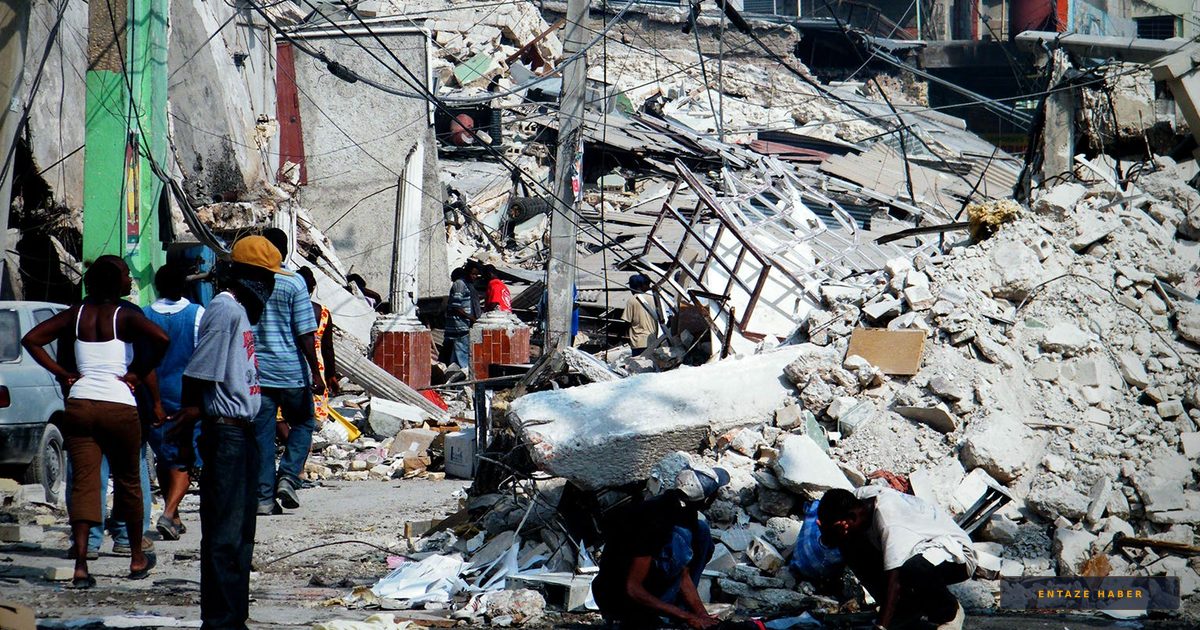
A Humanitarian Crisis Unfolds in Venezuela
The landscape of northern Venezuela has been irrevocably altered following the June 24 twin earthquakes. Striking with magnitudes of 7.2 and 7.5 within a mere 39-second interval, the seismic events have left a trail of destruction that is only now being fully grasped. Official reports confirm a death toll exceeding 3,500 people, while the number of missing individuals remains in the tens of thousands.

Approximately 8.6 million people endured the impact of the tremors, with roughly 2.1 million citizens facing the most severe shaking. For a nation already navigating decades of economic hardship, the displacement of thousands of residents—who now occupy parks, highways, and public spaces—has created a compounded emergency.
The Clinical Intersection of Trauma and Rest

Dr. Judite Blanc, a specialist in traumatic stress, emphasizes that the psychological toll of such disasters is universal, transcending international borders. Whether it is a hurricane in Florida or a wildfire in California, the physiological response to displacement remains consistent. Drawing from her experience in the 2010 Haiti earthquake, which claimed over 220,000 lives, Dr. Blanc argues that sleep disturbances are not merely a secondary symptom but a critical signal of underlying trauma.
Data indicates that sleep issues are often as prevalent, if not more so, than PTSD or depression following a catastrophic event. Research conducted two years after the Haiti disaster revealed that 94% of survivors suffered from insomnia, while 42% exhibited symptoms of PTSD. Crucially, while resilience can help manage some psychological wounds, it does not inherently protect survivors from the degradation of sleep quality.
Implementing Sleep Equity in Disaster Response
To better serve those affected by the Venezuelan disaster and future domestic crises, healthcare systems must integrate sleep health into their standard operational protocols. Dr. Blanc proposes that sleep support should be viewed as a fundamental humanitarian necessity rather than a luxury.
Medical professionals should incorporate insomnia screenings into post-trauma intake procedures. Furthermore, disaster relief kits should prioritize basic sleep infrastructure—such as thermal protection, earplugs, and eye masks—to mitigate the environmental stressors of overcrowded shelters. By establishing clear referral pathways for behavioral sleep care, clinicians can ensure that patients receive the necessary support to recover, rather than dismissing sleep issues as temporary inconveniences that will naturally resolve.
Recent Developments
As breaking news continues to emerge from the impacted regions, international rescue teams are working around the clock in the latest updates to locate survivors. This live news situation highlights the urgent need for comprehensive medical support, including mental health and sleep intervention strategies. You can follow all developments instantly on MedicareTicker.com.
Related Topics
🔹 Disaster Medicine 🔹 Public Health Equity 🔹 Trauma Recovery 🔹 Global Humanitarian Aid 🔹 Sleep Science 🔹 Emergency Preparedness 🔹 Mental Health Advocacy
Breaking-news News
This category provides breaking news and the latest updates on significant events affecting healthcare and public safety. MedicareTicker.com delivers live, accurate reporting to keep our audience informed during critical global situations.
Frequently Asked Questions
Why is sleep considered a key indicator of trauma?
Sleep is a highly measurable physiological process that is consistently disrupted by trauma. It serves as a primary marker for clinicians to gauge the severity of a patient's stress response following a disaster.
How can hospitals improve post-disaster care?
Hospitals can adopt sleep health screenings as part of standard intake protocols and provide basic sleep supplies in disaster kits. Establishing referral pathways for behavioral sleep care ensures that survivors receive long-term support.
Can resilience protect survivors from sleep disturbances?
Research suggests that while resilience is helpful for general recovery, it does not shield individuals from the biological impact of trauma on sleep quality. Specialized intervention is often required to address these disturbances effectively.