FDA Grants Landmark Approval for Novel IgA Nephropathy Treatment Trutakna
The FDA has granted accelerated approval to Trutakna (atacicept) for adults with IgA nephropathy, aiming to reduce proteinuria through dual cytokine inhibition.
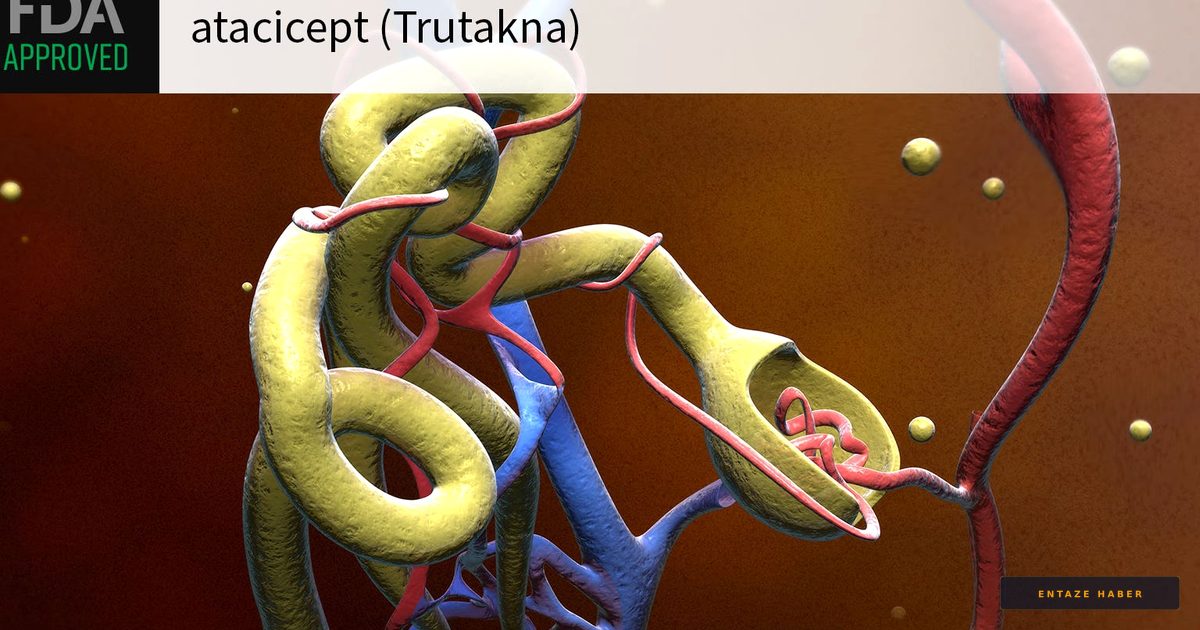
A New Therapeutic Milestone for IgA Nephropathy
The U.S. Food and Drug Administration (FDA) has officially granted accelerated approval to atacicept, marketed as Trutakna, providing a critical new option for adults suffering from primary IgA nephropathy who face a high risk of disease progression. This once-weekly, self-administered injection represents a significant shift in treatment strategy, specifically targeting the underlying immunological drivers of the condition.

Targeting the Root Cause of Kidney Damage
Unlike traditional therapies, Trutakna functions by inhibiting two vital immunoregulatory cytokines: B-cell activating factor (BAFF) and a proliferation-inducing ligand (APRIL). By neutralizing these two pathways, the medication addresses the B-cell activity responsible for the abnormal accumulation of IgA antibodies. This buildup is the primary cause of glomerular damage, inflammation, and the subsequent proteinuria that characterizes the disease.

Dr. Richard Lafayette of Stanford University Medical Center highlighted the clinical significance of this mechanism. He noted that the drug offers nephrologists a potent tool to intervene at the source of the pathophysiology, potentially altering the long-term outlook for patients who have historically faced limited options.
Clinical Evidence and Ongoing Research
The regulatory approval follows positive results from the phase III ORIGIN 3 study. Data from this trial demonstrated a 42% reduction in proteinuria at the 36-week mark compared to a placebo group. Furthermore, participants showed a 68% reduction in galactose-deficient IgA1, a key secondary endpoint. Despite these promising figures, the FDA’s accelerated approval remains conditional. Vera Therapeutics is required to provide further data from the ongoing ORIGIN 3 trial to verify whether the drug effectively slows the long-term decline of kidney function, with results anticipated later this year.
Safety Profile and Patient Considerations
While the drug offers significant potential, clinicians must remain vigilant regarding its safety profile. In clinical trials, 32% of participants experienced infections, most commonly upper respiratory tract infections. Additionally, 30% of patients reported local administration reactions, such as erythema and injection site irritation. The medication’s label carries specific warnings regarding immunosuppression and is contraindicated for patients with a history of serious hypersensitivity to the drug’s components.
IgA nephropathy, which affects approximately 2.5 per 100,000 adults annually, remains the most prevalent primary glomerulopathy. With roughly 50% of patients reaching kidney failure or facing mortality within two decades of diagnosis, the arrival of Trutakna joins a growing list of recently approved therapies, including sibeprenlimab, sparsentan, and iptacopan, signaling a new era of focus for drug developers in the rare kidney disease space.
Recent Developments
The medical community is closely monitoring the latest updates regarding new therapies for rare renal conditions. This breaking news highlights a major shift in how clinicians manage autoimmune-driven kidney damage. You can follow all developments instantly on MedicareTicker.com.
Related Topics
🔹 IgA Nephropathy 🔹 FDA Approvals 🔹 Kidney Health 🔹 Nephrology Research 🔹 Immunotherapy 🔹 Rare Disease Treatment 🔹 Proteinuria Management
Breaking-news News
This category provides live, breaking news coverage regarding major pharmaceutical advancements and regulatory decisions. MedicareTicker.com delivers the latest updates to ensure patients and healthcare providers remain informed on emerging medical breakthroughs.
Frequently Asked Questions
What is the primary mechanism of Trutakna?
Trutakna (atacicept) acts by inhibiting B-cell activating factor (BAFF) and a proliferation-inducing ligand (APRIL). These two cytokines are responsible for the B-cell activity that leads to harmful IgA antibody accumulation in the kidneys.
Is Trutakna a permanent cure for IgA nephropathy?
Currently, the drug has received accelerated approval to reduce proteinuria, but it is not labeled as a cure. Ongoing trials are still evaluating whether the medication can successfully slow the long-term decline of kidney function.
What were the most common side effects observed in the clinical trial?
Participants frequently reported infections, particularly upper respiratory tract infections, and local injection site reactions. The drug's label also includes specific warnings regarding the risk of immunosuppression.