States Target Large Employers with New 'Medicaid Tax' on Workers
New Jersey and other states are implementing fees on large employers whose workers rely on Medicaid, sparking intense debate over fairness and hiring practices.
New Jersey Leads the Charge on Medicaid Fees
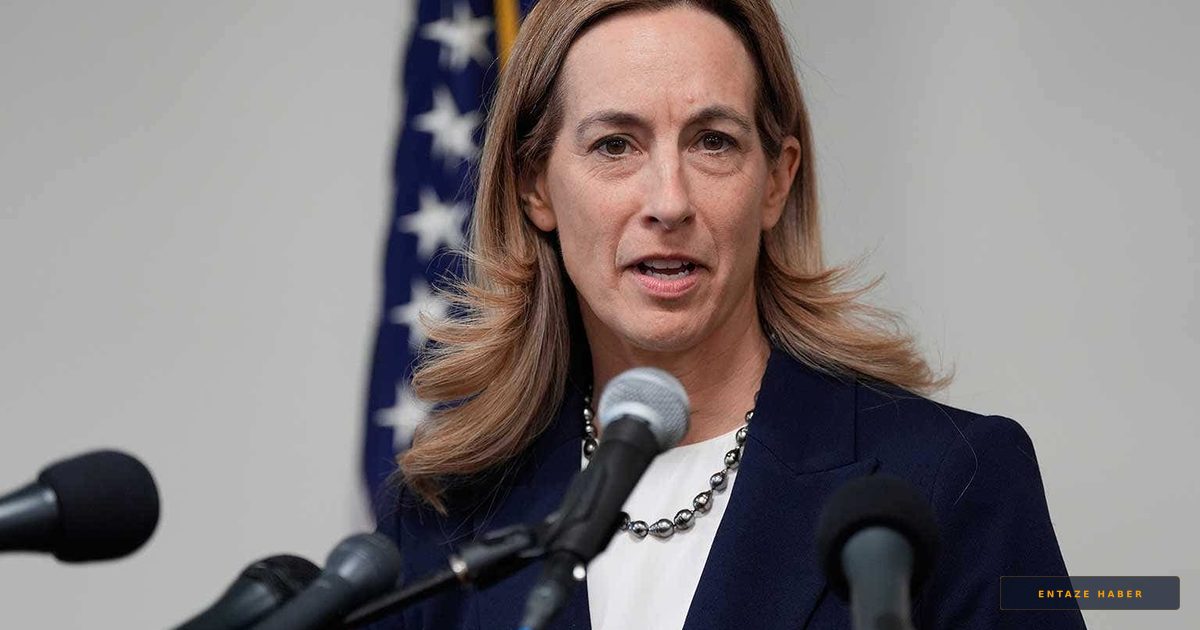
New Jersey has officially moved to hold large corporations financially accountable for their employees' reliance on taxpayer-funded health coverage. Governor Mikie Sherrill (D) recently signed legislation that imposes a direct fee on companies with at least 50 workers enrolled in Medicaid. This initiative is expected to generate $145 million for the state budget this year. Under this new mandate, businesses will face annual charges for every staff member and dependent currently receiving Medicaid benefits. The financial burden scales based on the number of beneficiaries, starting at $325 per person for companies with 50 to 249 enrollees, and reaching a maximum of $725 annually for firms with 500 or more recipients.

California and Other States Consider Similar Measures
Beyond New Jersey, the push to shift Medicaid costs onto the private sector is gaining traction in other states. California recently passed a bill requiring the state administration to outline potential employer-charge frameworks for the coming year. Democratic gubernatorial candidate Xavier Becerra has positioned this policy as a cornerstone of his campaign platform. State Senator John Laird, the architect behind the California proposal, highlights the issue as a matter of economic equity. He argues that it is inherently unfair for small businesses—which often provide private insurance—to indirectly subsidize the healthcare costs of larger corporations through their tax contributions.

This legislative trend is spreading across the nation. Colorado, Oregon, and Washington have all seen similar proposals introduced, with some chambers passing the measures before they stalled. Meanwhile, Connecticut Governor Ned Lamont (D) is actively advocating for a state budget provision that would trigger a similar employer fee structure within two years.
Economic Concerns and Potential Legal Hurdles
Business advocacy groups, such as the New Jersey Business and Industry Association, strongly oppose these mandates. Christopher Emigholz, the organization’s chief government affairs officer, argues that businesses are being unfairly penalized for individual employee decisions to opt into Medicaid rather than employer-sponsored plans. Critics warn that these fees could inadvertently discourage hiring or lead companies to reduce their workforce to avoid the financial penalty.
Policy experts, including Gideon Lukens from the Center on Budget and Policy Priorities, caution that companies might discriminate against low-income applicants or single parents to mitigate these costs. While New Jersey’s law includes protections against hiring discrimination based on Medicaid status and exempts seasonal or part-time staff, the risk of unintended labor market consequences remains a significant concern. Historically, similar attempts in Massachusetts and Maryland faced legal challenges or expiration, suggesting that the current wave of state-led efforts will face rigorous scrutiny in the courts.
Recent Developments
States are aggressively pursuing new funding models for healthcare, marking a period of breaking news in public policy. These latest updates reflect a growing trend of legislative action aimed at balancing state budgets, and you can stay informed with live news coverage as more states join the movement. You can follow all developments instantly on MedicareTicker.com.
Related Topics
🔹 Medicaid Reform 🔹 Employer Mandates 🔹 State Budget Policy 🔹 Healthcare Economics 🔹 Labor Market Regulations 🔹 Public Health Funding 🔹 Legislative Trends
Breaking-news News
This category provides comprehensive coverage of breaking news regarding healthcare policy and legislative shifts across the United States. We deliver the latest updates and live insights into how government decisions impact the healthcare landscape, ensuring our readers at MedicareTicker.com stay ahead of critical developments.
Frequently Asked Questions
Why are states charging employers for workers on Medicaid?
States are implementing these fees to help offset the rising costs of the Medicaid program. Lawmakers argue that large employers should contribute more when their workforce relies on taxpayer-funded health coverage.
How much will companies be charged per employee?
In New Jersey, the fees range from $325 per year for companies with 50 to 249 Medicaid-enrolled employees to $725 per year for those with 500 or more beneficiaries.
Could these fees lead to hiring discrimination?
Critics and policy experts worry that employers might avoid hiring individuals from low-income households to evade these costs. While some states include anti-discrimination clauses, the economic incentive to reduce headcount remains a primary concern for advocacy groups.