Medicaid Work Mandates: Why HIV Patients Face New Coverage Hurdles
New federal rules for Medicaid work requirements create complex medical frailty hurdles for HIV patients, risking coverage loss and public health setbacks.
The New Federal Standard for Medicaid Eligibility
On June 1, 2026, the Centers for Medicare and Medicaid Services (CMS) released an interim final rule that fundamentally changes how states handle work or "community engagement" mandates for Medicaid beneficiaries. Stemming from the 2025 federal budget reconciliation law, this policy requires enrollees—specifically those covered through Affordable Care Act (ACA) expansion or certain waivers—to prove they are working or qualify for an exemption. The regulation introduces a stringent two-part test for "medical frailty." To qualify, an individual must not only possess a qualifying medical condition but also demonstrate that this condition directly hinders their capacity to meet work requirements. This threshold has sparked significant debate, as many states previously assumed that simply having a diagnosis like HIV would be sufficient for an automatic exemption.

Legal Challenges and State Opposition
By June 29, 2026, a coalition of twenty-four states and two governors initiated a lawsuit against CMS in the Massachusetts District Court. The plaintiffs argue that the new federal criteria contradict the spirit of the original reconciliation law, H.R. 1. They contend that vulnerable populations, including those undergoing cancer treatment or managing complex disabilities, should not face the risk of losing essential health coverage. The litigation specifically challenges the two-part test, seeking to enjoin the government from enforcing these restrictive barriers. The outcome remains uncertain, but the court’s decision will determine whether states can simplify the exemption process or if they must adhere to the rigorous federal documentation standards.

The High Stakes for the HIV Population
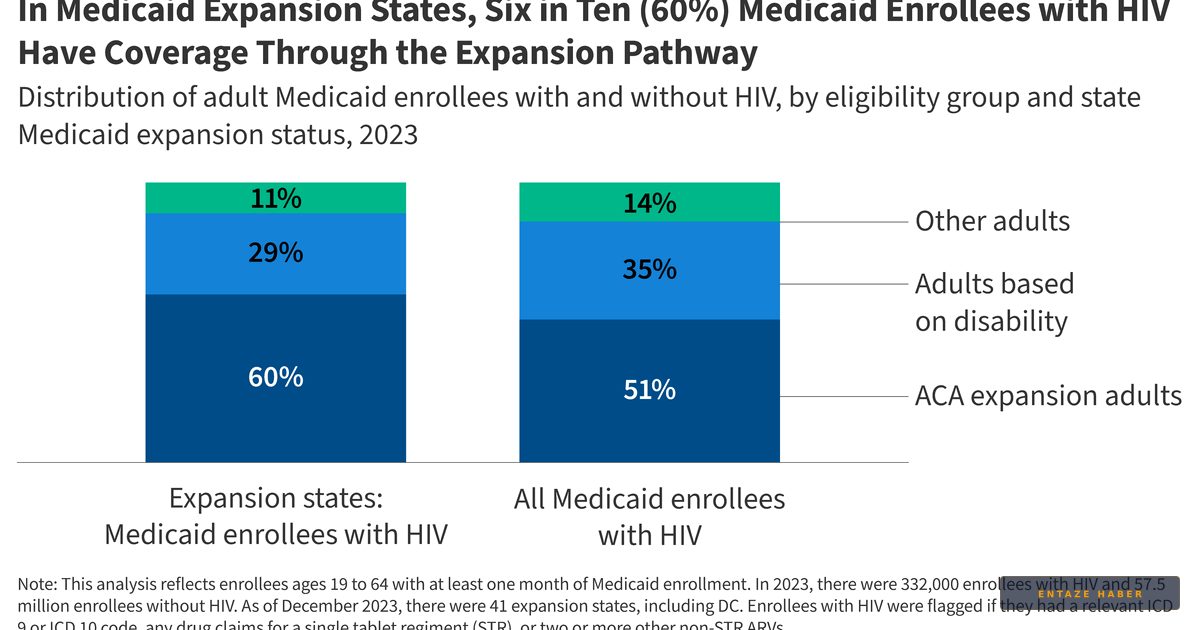
Medicaid serves as the primary insurance lifeline for nearly half of all people living with HIV in the United States as of 2023. In states that expanded their programs, this coverage is critical for maintaining access to life-saving antiretroviral treatments. Because many of these individuals will now fall under the umbrella of work requirements, the new CMS rule poses a direct threat to their continuity of care. While the regulation lists HIV/AIDS as a potential "serious or complex" condition, it emphasizes that severity is the deciding factor. If a patient's HIV is well-managed, they may struggle to prove their condition impairs their ability to work, potentially leading to administrative disenrollment.
Privacy, Stigma, and Administrative Burdens
Implementing these rules introduces significant logistical and ethical dilemmas. States must now rely on complex data sharing, provider documentation, and self-attestation to verify frailty. However, the sensitive nature of HIV status creates profound privacy concerns, particularly regarding state-level data sharing between public health offices and Medicaid agencies. Furthermore, the administrative weight placed on healthcare providers to certify a patient's inability to work could lead to increased burnout and ethical strain. For patients, the inherent stigma associated with HIV may discourage them from disclosing their status or seeking the necessary documentation to maintain their Medicaid benefits.
Public Health Consequences and Coverage Gaps
If the new requirements trigger widespread coverage loss, the consequences could ripple through the entire healthcare system. Treatment interruptions for HIV patients not only endanger the individual but also increase the risk of transmission, undermining federal initiatives like the "Ending the HIV Epidemic" program. As patients lose access to Medicaid, they may shift their reliance to the already under-funded federal Ryan White Program. This shift arrives at a precarious time, as many state-level programs are already grappling with severe budget deficits, making the potential for increased demand even more alarming.
Recent Developments
As the legal battle over Medicaid work requirements unfolds, the latest updates indicate that states are scrambling to adjust their administrative procedures to comply with the new federal rule. This breaking news highlights a critical turning point for healthcare policy, as stakeholders monitor whether these mandates will lead to widespread coverage gaps across the country. You can follow all developments instantly on MedicareTicker.com.
Related Topics
🔹 Medicaid Expansion 🔹 HIV Healthcare Access 🔹 Federal Health Policy 🔹 Medical Frailty Exemptions 🔹 Public Health Equity 🔹 Healthcare Administrative Burdens 🔹 ACA Implementation
State-news News
This category provides comprehensive coverage of state-level healthcare policy shifts, including legislative changes and regulatory updates. MedicareTicker.com delivers live, breaking news to keep you informed about how these latest updates impact your local community and state-run programs.
Frequently Asked Questions
Can HIV patients still get a medical frailty exemption from work requirements?
Yes, but it is no longer automatic. Patients must now prove that their HIV or associated health conditions significantly impair their ability to meet work or community engagement requirements.
Why are states suing the federal government over these rules?
States argue that the new two-part test for medical frailty is overly restrictive and contradicts the original intent of the 2025 federal budget reconciliation law, which aimed to protect vulnerable patients from losing coverage.
What happens if an HIV patient loses their Medicaid coverage?
Loss of coverage can lead to treatment interruptions, which may cause individual health decline and increase the risk of HIV transmission. Many may then turn to the overburdened Ryan White Program for assistance.