FIFA World Cup Heat Crisis: Why Mandatory Hydration Breaks Are Dividing Experts
FIFA mandates 3-minute hydration breaks for the World Cup amid rising heat concerns. Experts debate if the timing is sufficient to protect elite athlete health.
A Controversial New Rule for Global Soccer
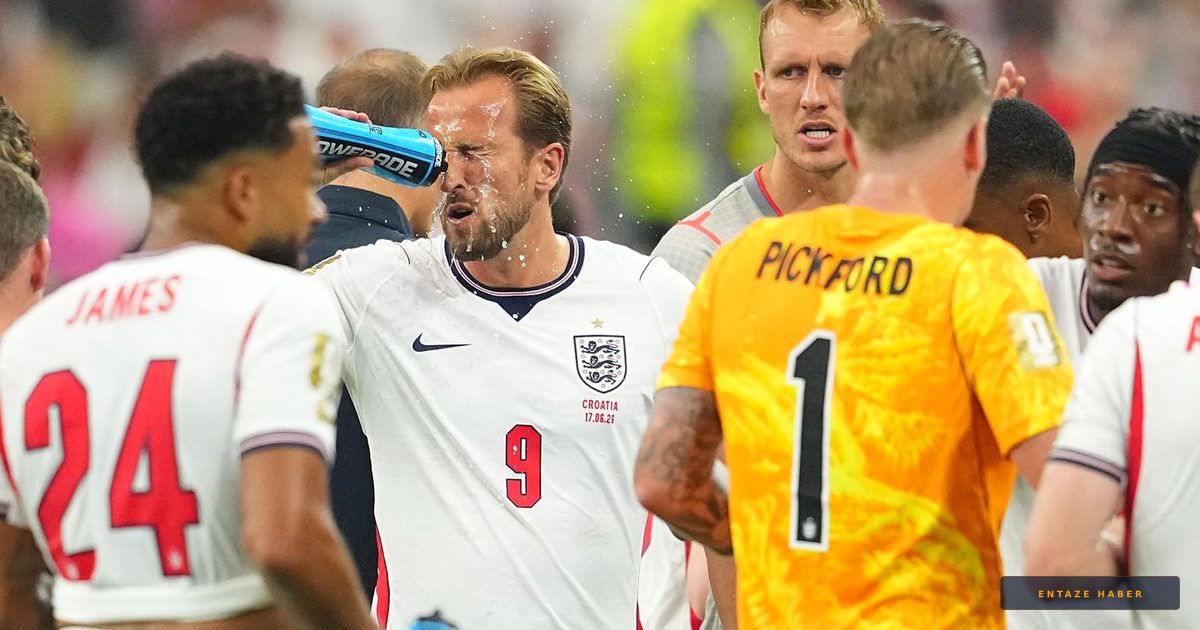
For the first time in the history of the FIFA World Cup, soccer officials have introduced a mandatory policy requiring hydration breaks for all players. As the tournament spans the United States, Mexico, and Canada, concerns regarding record-breaking summer temperatures have prompted this unprecedented safety measure. FIFA has institutionalized a 3-minute pause midway through each half of every match, regardless of the actual temperature on the pitch.

While the governing body claims this ensures a consistent playing field, the decision has ignited a fierce debate. Critics argue that these interruptions disrupt the tactical rhythm of the game, potentially allowing coaches to manipulate momentum. Simultaneously, medical experts argue that 3 minutes is insufficient to provide meaningful physiological recovery, suggesting that the breaks fall short of what is required to combat severe thermal stress.
The Physiological Toll of Extreme Heat

Elite athletes pushing their limits in high-humidity environments face significant risks of exertional heat illness. When an athlete’s internal body temperature climbs, the heart, nervous system, and muscles endure intense strain. Symptoms such as dizziness, nausea, muscle cramping, and extreme fatigue are common warning signs. According to Dr. Yuri Hosokawa of Waseda University, internal temperatures exceeding 105 F (40.5 C) can lead to exertional heat stroke—a condition requiring emergency medical intervention.
Dehydration serves as a major catalyst for these risks. Athletes often lose between 1 to 2 liters of sweat per hour, a deficit that is rarely fully replenished during play. Dr. Ryan Calsbeek of Dartmouth College highlights that once the wet bulb globe temperature surpasses 95 F (35 C), the human body loses its ability to regulate heat effectively. At this threshold, cognitive function and decision-making capabilities decline, which can ultimately dictate the outcome of high-stakes matches.
The Debate Over Duration and Efficacy
Leading researchers, including Dr. Douglas Casa of the University of Connecticut’s Korey Stringer Institute, suggest that the current 3-minute window is not long enough to achieve substantial cooling. Effective cooling requires aggressive measures, such as applying ice-cold towels to the head, neck, and arms. Dr. Casa and his colleagues have formally petitioned FIFA to extend these breaks to at least 6 minutes, arguing that the volume of fluid intake and the rate of body temperature reduction are directly tied to the duration of the rest period.
Dr. Bharat Venkat, director of the Heat Lab at UCLA, emphasizes that these pauses are essential to stop the body from constantly playing "catch-up" with its own cooling mechanisms. As climate change continues to elevate global temperatures, sports organizations face a new reality where adapting match schedules and safety protocols is no longer optional, but a fundamental requirement for player welfare.
Recent Developments
This breaking news regarding FIFA's latest safety protocols reflects the growing intersection of climate change and professional sports. With the latest updates on tournament conditions being monitored closely, stakeholders continue to debate the balance between game flow and athlete safety in this live news environment. You can follow all developments instantly on MedicareTicker.com.
Related Topics
🔹 FIFA World Cup 🔹 Sports Medicine 🔹 Exertional Heat Stroke 🔹 Climate Change and Sports 🔹 Athlete Safety 🔹 Public Health Policy 🔹 Hydration Strategies
Breaking-news News
This category provides comprehensive coverage of breaking news affecting public health and safety on a global scale. We deliver the latest updates and live reporting to keep our audience informed on critical policy shifts. MedicareTicker.com remains your primary source for timely, accurate information regarding health-related developments in the news.
Frequently Asked Questions
Why did FIFA introduce mandatory hydration breaks?
FIFA implemented these 3-minute breaks to protect players from the risks of extreme heat during the World Cup, which is hosted in regions prone to high summer temperatures. The goal is to ensure consistent conditions for all teams and prevent heat-related medical emergencies.
Are 3-minute breaks enough to prevent heat stroke?
Many experts, including those from the Korey Stringer Institute, argue that 3 minutes is too short to effectively cool the body or allow for adequate rehydration. They recommend extending these breaks to 6 minutes to allow for more aggressive cooling techniques and better fluid intake.
What are the signs of exertional heat illness in athletes?
Common symptoms include muscle cramps, excessive fatigue, dizziness, headaches, and nausea. If an athlete's body temperature exceeds 105 F, they may experience confusion or loss of consciousness, which are critical indicators of heat stroke requiring immediate care.