FDA Panel Backs Moderna's mRNA Flu Shot Despite Skepticism from Health Leadership
An FDA advisory committee has unanimously recommended Moderna's mRNA flu vaccine for adults 50+, signaling a potential shift in influenza prevention technology.
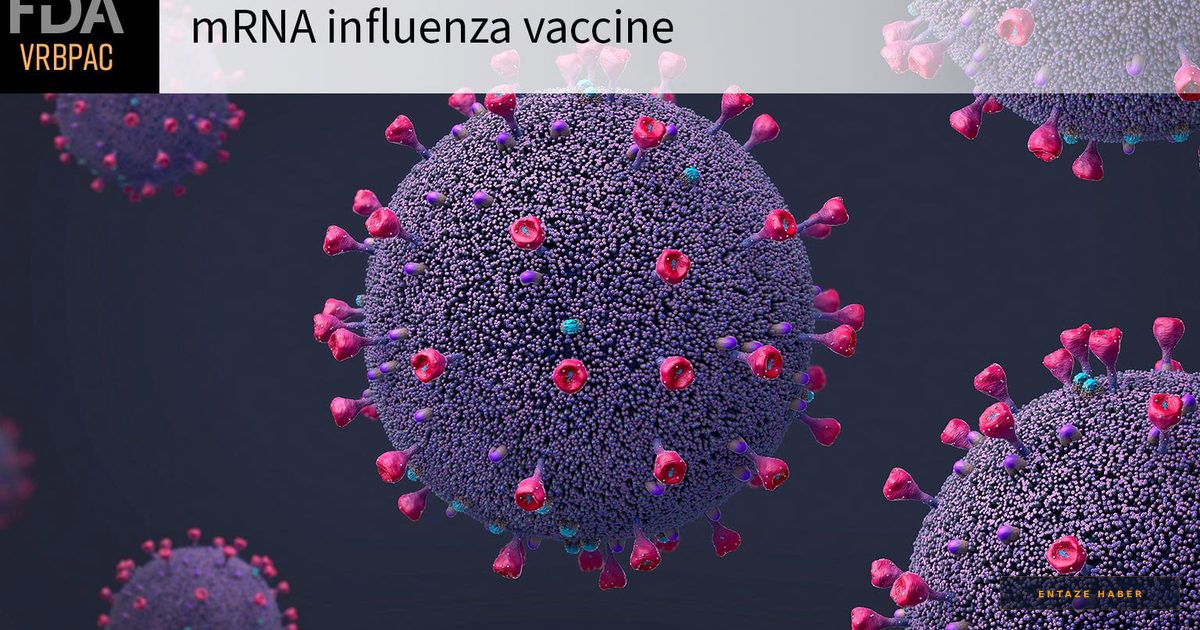
A Unanimous Recommendation for mRNA Flu Protection
In a decisive move, an FDA advisory panel has unanimously supported the authorization of Moderna’s trivalent mRNA influenza vaccine candidate. The Vaccines and Related Biological Products Advisory Committee conducted two separate 9-0 votes, concluding that the clinical benefits of this mRNA-based approach outweigh potential risks for both the 50-64 age demographic and those 65 and older. This endorsement arrives despite recent friction within federal health circles regarding the utility of mRNA platforms for seasonal illnesses.

Flor Munoz-Rivas, MD, of Baylor College of Medicine, emphasized that the current data provides a strong foundation for the vaccine's safety and efficacy profile. By providing an alternative to traditional manufacturing, the mRNA platform offers a strategic advantage in rapidly addressing emerging or pandemic-level flu strains.
Potential for Superior Immune Response

Experts on the panel highlighted specific biological advantages that mRNA technology may offer over conventional vaccines. Hayley Gans, MD, from Stanford Medicine Children’s Health, pointed to the potential for more robust T-cell activation. Unlike current standard flu shots, which often struggle to maintain long-term immunity, this candidate may provide a more durable defensive response.
While the phase III Fluent randomized trial demonstrated a relative vaccine efficacy of 26.6% for participants 50 and older and 27.4% for the 65+ cohort, some panelists noted the need for further investigation. Adam Berger, PhD, of the NIH, acknowledged limitations regarding the single-season scope of the pivotal study and the lack of extensive data on immunocompromised populations. Nevertheless, he noted the immunogenicity results were highly suggestive of clinical success.
Navigating Safety and Manufacturing Challenges
Despite the positive vote, the panel engaged in a thorough discussion regarding reactogenicity. Hana El Sahly, MD, noted that while serious adverse events were not a primary concern, the frequency of transient local and systemic side effects—67.5% and 58.0% respectively—could impact patient uptake. She emphasized that clear communication regarding these short-term reactions is vital to ensuring high vaccination coverage.
Furthermore, the shift toward mRNA production could revolutionize the timeline of vaccine deployment. Traditional egg-based or cell-culture methods often require six to eight months for production, leaving a gap if the circulating strain deviates from the vaccine composition. Moderna’s platform could reduce this window to just two or three months, significantly improving the agility of public health responses.
Following a previous rejection in February—where regulators cited a lack of direct comparison to the current standard of care—Moderna has committed to a large-scale postmarketing study. This rigorous follow-up is expected to provide the definitive evidence required to solidify the vaccine's role in the national immunization schedule.
Recent Developments
The latest updates regarding the FDA panel's decision highlight a major turning point for mRNA vaccine technology in the fight against seasonal influenza. This breaking news reflects a broader push to modernize public health tools through live news and rigorous clinical verification processes. You can follow all developments instantly on MedicareTicker.com.
Related Topics
🔹 mRNA Technology 🔹 Influenza Vaccine 🔹 FDA Advisory Committee 🔹 Moderna Flu Shot 🔹 Public Health Innovation 🔹 Vaccine Reactogenicity 🔹 Clinical Trial Results
Breaking-news News
This category covers breaking news and the latest updates on medical, pharmaceutical, and health policy advancements. MedicareTicker.com provides live, in-depth reporting on critical FDA decisions and health industry shifts to keep our audience informed.
Frequently Asked Questions
Who is eligible for the proposed Moderna mRNA flu vaccine?
If approved, the vaccine is intended for adults aged 50 and older, with specific focus on the 50-64 and 65+ age groups.
How does this vaccine differ from traditional flu shots?
Unlike traditional egg-based or cell-culture vaccines, this shot uses mRNA technology, which allows for faster manufacturing and potentially stronger T-cell immune responses.
What were the main concerns regarding the vaccine?
Panelists noted higher rates of transient side effects compared to traditional shots and emphasized the need for further study on immunocompromised patients and long-term efficacy.