Ebola Crisis Deepens as Misinformation Drives Patients Toward Traditional Healers
Ebola outbreaks in Congo face major hurdles as deep-seated mistrust and reliance on traditional healers delay life-saving medical treatment for the infected.
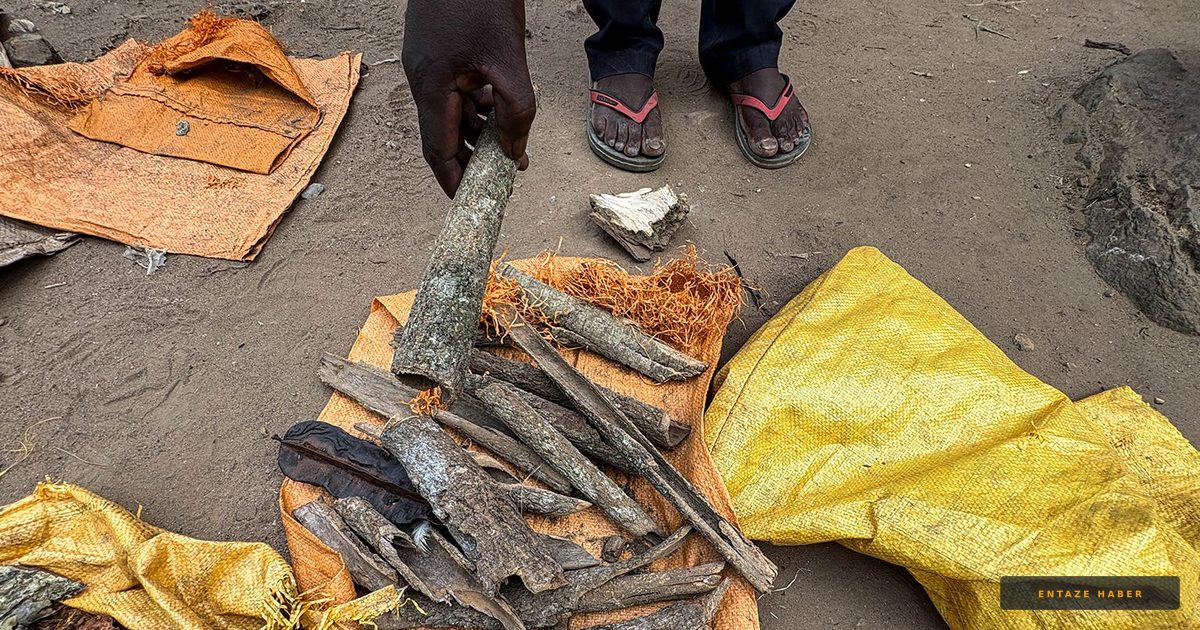
The Spiritual Barrier to Medical Intervention
When Ebola strikes, the path to survival is often blocked by a conflict between modern medicine and deeply ingrained spiritual beliefs. In the Democratic Republic of Congo, currently battling its 17th Ebola outbreak since 1976, many residents perceive the hemorrhagic fever not as a biological threat, but as a spiritual affliction. Consequently, instead of seeking help at medical facilities, victims often visit traditional healers or religious shrines, hoping for relief through prayers and herbal remedies. This preference for non-medical intervention has proven catastrophic, as patients frequently arrive at hospitals only when their condition has reached a terminal stage.

Misinformation and the Fear of Outsiders
In the Ituri province town of Bunia, the current epicenter of the crisis, the death toll has already climbed to at least 181. Health workers face a hostile environment fueled by dangerous rumors. Some locals believe the virus is a product of malicious outsiders who use magical charms to spread disease. Onesphore Bangenza of the aid group Mercy Corps explains that when the public lacks faith in the formal health infrastructure, they gravitate toward familiar figures like faith leaders or local healers. This systemic distrust complicates the efforts of medical teams to isolate the sick and curb the spread of the virus.

The Challenge of the Bundibugyo Virus
This particular outbreak is driven by the Bundibugyo virus, a rare and aggressive strain for which there are no approved vaccines or specific treatments. The situation is further compounded by regional armed conflict and displacement. Since the outbreak was confirmed on May 15, the World Health Organization has designated it a public health emergency of international concern. The U.S. government has also implemented travel restrictions for individuals arriving from Congo, Uganda, and South Sudan to prevent further transmission.
A Call for Religious Cooperation
To combat the spread, authorities are desperately trying to enlist the help of religious leaders. In some instances, survivors like Deogratias Kasereka, a catechist who was treated in Mongbwalu, have become vocal advocates for clinical care. Public health officials, including Ugandan President Yoweri Museveni, have urged pastors to stop physically touching the sick during prayer. Museveni emphasized that religious devotion does not require physical contact, which remains a primary transmission vector for the virus.
Recent Developments
Public health authorities are providing the latest updates as they work to contain the spread of the virus in high-risk regions. Breaking news reports indicate that medical teams are shifting focus toward community engagement to address the dangerous reliance on traditional healing methods. Live news coverage remains vital as experts monitor these developments, and you can follow all developments instantly on MedicareTicker.com.
Related Topics
🔹 Ebola Outbreak 🔹 Public Health Crisis 🔹 Infectious Disease 🔹 Medical Misinformation 🔹 Global Health Security 🔹 Traditional Medicine 🔹 Healthcare Accessibility
Breaking-news News
This category provides comprehensive coverage of urgent health emergencies and international crises. At MedicareTicker.com, we deliver breaking news and the latest updates on global health, ensuring our readers stay informed with live reporting on rapidly evolving situations.
Frequently Asked Questions
Why do some people prefer traditional healers over doctors during an Ebola outbreak?
Many individuals view Ebola as a spiritual or supernatural phenomenon rather than a biological disease. Because of this, they seek comfort and healing from trusted community figures, such as religious leaders or traditional healers, rather than unfamiliar hospital staff.
What makes the current Bundibugyo virus outbreak particularly difficult to manage?
The Bundibugyo virus is a rare strain that lacks approved vaccines or targeted medical treatments. Furthermore, the outbreak is occurring in a remote, conflict-ridden area where deep-seated mistrust of the medical community hampers containment efforts.
How does physical contact facilitate the spread of Ebola?
Ebola is transmitted through direct contact with the bodily fluids of infected individuals. Traditional burial customs and religious rituals that involve touching the sick or the deceased significantly increase the risk of transmission to caregivers and family members.