Medicare Weight Loss Drug Coverage: What Seniors Need to Know Now
Millions of Medicare beneficiaries may soon see easier access to GLP-1 weight loss medications. Learn the latest on coverage changes and eligibility requirements.
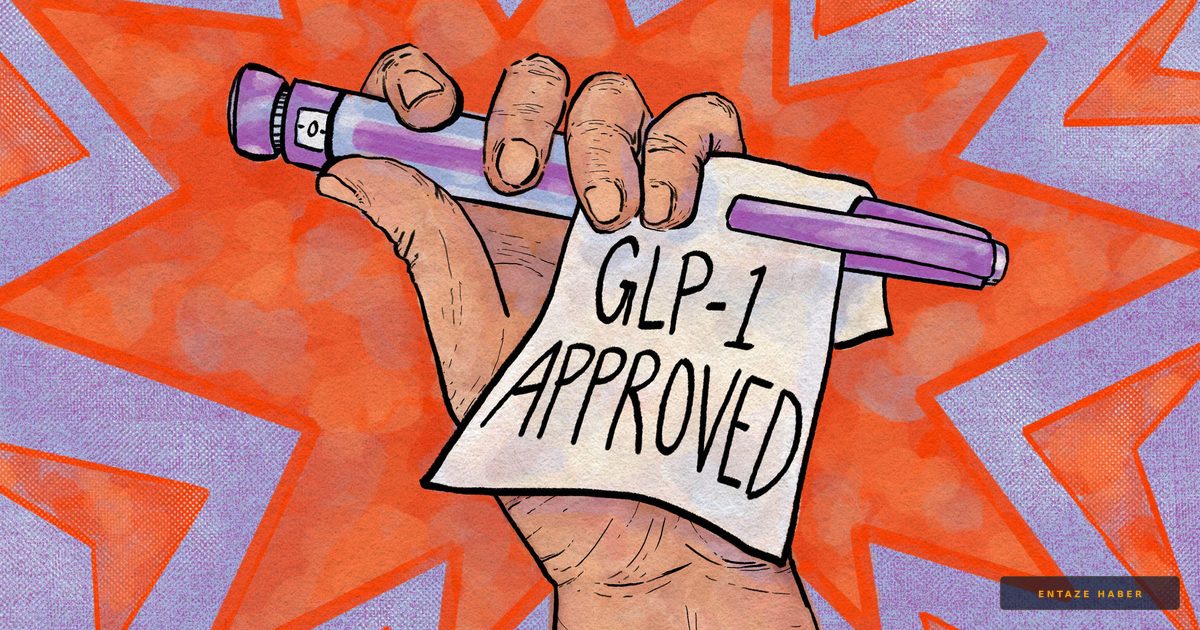
Expanding Access to Obesity Medications
For millions of older Americans, the path to obtaining GLP-1 weight loss medications through Medicare is undergoing a potential transformation. Historically, Medicare has maintained strict limitations regarding the coverage of drugs specifically prescribed for weight management, often leaving beneficiaries to pay significant out-of-pocket costs for popular treatments. However, shifting regulatory landscapes and new clinical findings are creating momentum to bridge this gap, signaling a more accessible future for those seeking medical intervention for obesity.

The Role of GLP-1s in Senior Health
The emergence of GLP-1 receptor agonists has revolutionized the approach to chronic weight management. While these drugs have demonstrated significant efficacy in reducing body weight and improving related metabolic health markers, their cost remains a primary barrier for the Medicare population. Currently, federal law restricts Medicare Part D plans from covering medications used strictly for weight loss. This legislative hurdle means that even as demand for these therapies surges, many seniors find themselves unable to utilize their health benefits to manage their weight effectively.

Navigating Current Coverage Hurdles
Beneficiaries currently looking for coverage must navigate a complex landscape of plan exceptions and medical necessity documentation. While Medicare does not cover weight loss drugs as a standalone benefit, specific exceptions exist if a medication is prescribed for a secondary health condition, such as diabetes, that Medicare already covers. Understanding these nuances is vital for patients. Experts advise that beneficiaries consult directly with their plan administrators to determine if their specific health profile qualifies them for coverage under existing secondary-use guidelines.
Advocacy groups continue to press for legislative changes that would decouple these medications from the current statutory exclusions. The goal is to treat obesity with the same clinical priority as other chronic conditions, potentially reducing the long-term risk of heart disease, stroke, and diabetes among the elderly. As the conversation evolves, Medicare beneficiaries are encouraged to monitor updates from the Centers for Medicare & Medicaid Services (CMS) regarding potential shifts in drug formulary policies. Until formal changes are enacted, patients should prioritize open communication with their primary care physicians to explore all available clinical options and potential off-label coverage pathways that might exist within their current plan structure.
Recent Developments
We are monitoring breaking news regarding legislative efforts to expand obesity treatment coverage for older adults. These latest updates reflect a growing national focus on metabolic health, with live news reports suggesting potential policy shifts in the coming fiscal year. You can follow all developments instantly on MedicareTicker.com.
Related Topics
🔹 Medicare Part D 🔹 GLP-1 Medications 🔹 Obesity Treatment 🔹 CMS Policy Changes 🔹 Senior Healthcare 🔹 Prescription Drug Coverage 🔹 Metabolic Health
Drug-updates News
This category provides essential coverage on the latest pharmaceutical regulations and market shifts affecting Medicare beneficiaries. We deliver breaking news and latest updates to ensure our readers stay informed through live reporting on drug access and affordability. Trust MedicareTicker.com for comprehensive insights into the evolving landscape of medical treatments.
Frequently Asked Questions
Does Medicare currently cover weight loss drugs like Wegovy or Zepbound?
Currently, Medicare Part D plans are legally prohibited from covering drugs specifically for weight loss. However, these medications may be covered if they are prescribed for a different, FDA-approved purpose, such as diabetes management.
Why is it difficult for seniors to get these drugs covered?
Federal law creates a specific exclusion for weight loss medications under Medicare Part D. This means that even if a doctor deems the drug medically necessary for weight management, the program is restricted from paying for the prescription.
What should I ask my doctor if I want to lose weight?
Start by discussing your overall health goals and asking if your current health conditions might qualify you for medication coverage under existing guidelines. Your doctor can help determine if you meet the clinical criteria for treatments that are currently covered for other metabolic conditions.