Hidden Genetic Code Unravels Why Ozempic and GLP-1 Drugs Fall Short for Millions
Groundbreaking research from Stanford Medicine identifies a genetic quirk that may render GLP-1 drugs, including Ozempic, less effective for 10% of diabetes patients. Discover the science behind GLP-1 resistance.

Unraveling the Mystery of GLP-1 Drug Efficacy
A previously unrecognized genetic characteristic could be rendering a segment of the population surprisingly unresponsive to the significant advantages offered by widely prescribed GLP-1 diabetes medications. Researchers have successfully pinpointed specific genetic variations potentially diminishing the effectiveness of GLP-1 pharmaceuticals in patients managing Type 2 diabetes. Approximately one-tenth of individuals globally possess these particular genetic markers, which are associated with an enigmatic condition termed 'GLP-1 resistance.' Data from multiple clinical investigations indicated that subjects harboring these variants demonstrated a considerably lower propensity to achieve desired blood glucose levels when undergoing treatment with GLP-1 pharmaceuticals.
This newly uncovered genetic influence may provide insight into why certain individuals experience less pronounced improvements in blood sugar regulation when utilizing GLP-1 medications, such as Ozempic.
A Genetic Precursor to Reduced Drug Response
More than a quarter of all individuals living with Type 2 diabetes currently rely on GLP-1 receptor agonists, a class of drugs encompassing popular options like Ozempic. However, innovative studies conducted by Stanford Medicine in collaboration with an international consortium of researchers suggest that the efficacy of these extensively used drugs might be compromised in some patients due to their inherent genetic makeup. The investigation revealed that roughly 10% of the population carries genetic variants explicitly linked to the phenomenon of GLP-1 resistance. Individuals possessing these variants appear to naturally produce elevated quantities of glucagon-like peptide-1 (GLP-1), a hormone crucial for blood sugar regulation, yet the hormone's action within their physiological systems seems markedly diminished.
While the research primarily concentrated on glucose control, it did not draw definitive conclusions regarding the effects on weight reduction. Medications such as Ozempic and Wegovy are typically administered at higher dosages when prescribed for obesity management compared to their use in diabetes treatment. Consequently, further investigation is essential to ascertain whether these identical genetic factors also influence outcomes related to weight loss.
Dr. Anna Gloyn, a professor of pediatrics and genetics at Stanford Medicine and a senior author of the study, noted, "In some of the trials, we saw that individuals who had those variants were unable to lower their blood glucose levels as effectively after six months of treatment." She elaborated that at this juncture, healthcare providers often consider modifying a patient's therapeutic regimen. "Identifying likely responders in advance could help patients reach the most effective therapy sooner and move diabetes care closer to precision medicine," Dr. Gloyn affirmed. Dr. Markus Stoffel, a professor of metabolic diseases at the Institute of Molecular Health Sciences at ETH Zurich in Switzerland, also served as a senior author. Lead author contributions came from Dr. Mahesh Umapathysivam, an endocrinologist and clinical researcher at Adelaide University in Australia and a former trainee under Dr. Gloyn, and Dr. Elisa Araldi, an associate professor of medicine and surgery at the University of Parma in Italy, who trained with Dr. Stoffel. Dr. Umapathysivam commented on the clinical variability he observes: "When I treat patients in the diabetes clinic, I see a huge variation in response to these GLP-1-based medications and it is difficult to predict this response clinically." He emphasized the significance of the findings, stating, "This is the first step in being able to use someone's genetic make-up to help us improve that decision-making process."
The Enigmatic Role of the PAM Enzyme
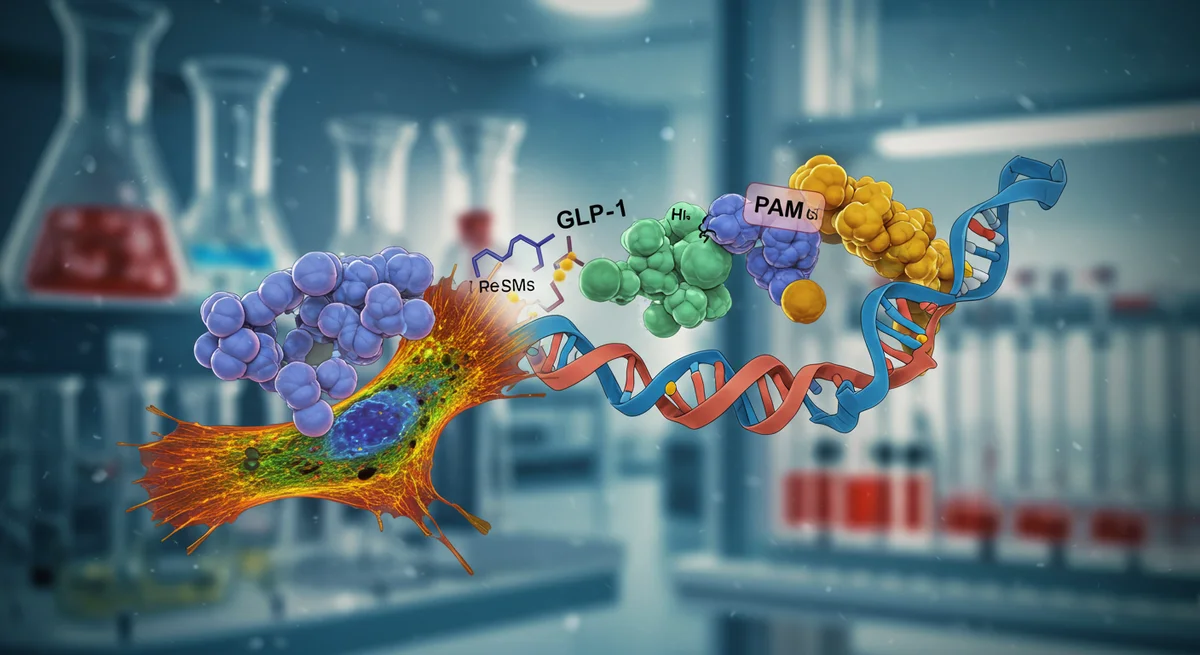
This pioneering research marks the initial comprehensive inquiry into GLP-1 resistance, yet the precise etiology remains unknown to scientists. "That is the million-dollar question," Dr. Gloyn stated. "We have ticked off this enormous list of all the ways in which we thought GLP-1 resistance might come about. No matter what we've done, we've not been able to nail precisely why they are resistant." The research collective focused intently on two particular genetic variants that diminish the activity of an enzyme called PAM (peptidyl-glycine alpha-amidating monooxygenase). This enzyme holds a singular physiological role, as it is responsible for activating various hormones, including GLP-1. Dr. Gloyn described PAM as "a truly fascinating enzyme because it's the only enzyme we have that's capable of a chemical process called amidation, which increases the half-life or the potency of biologically active peptides." She further hypothesized, "We thought, if you have a problem with this enzyme, there's going to be multiple aspects of your biology that are not working properly."
Earlier investigations had already indicated a higher prevalence of PAM variants among individuals with diabetes. Dr. Gloyn's previous work also demonstrated that these variants impair the pancreas's capacity to release insulin. Researchers sought to ascertain whether the identical genetic alterations also impacted GLP-1, a hormone secreted by the gut that assists in post-meal blood sugar control by stimulating insulin production, decelerating gastric emptying, and reducing appetite. GLP-1 receptor agonists function by emulating this natural hormone.
Counterintuitive Discovery: Elevated GLP-1 Levels
To probe this further, researchers enlisted adult participants both with and without a specific PAM variant known as p.S539W. Subjects consumed a sugary solution, and blood samples were systematically collected every five minutes over a four-hour duration. The study intentionally included individuals without diabetes to mitigate the influence of other variables that could skew the results. Initially, scientists anticipated that participants with the PAM variant would exhibit diminished GLP-1 levels, theorizing that the hormone might be less stable without adequate amidation. "What we actually saw was they had increased levels of GLP-1," Dr. Gloyn revealed, emphasizing the unexpected nature of the finding: "This was the opposite of what we imagined we would find." She further elaborated, "Despite people with the PAM variant having higher circulating levels of GLP-1, we saw no evidence of higher biological activity. They were not reducing their blood sugar levels more quickly. More GLP-1 was needed to have the same biological effect, meaning they were resistant to GLP-1."
Confirming Resistance Through Rodent Models
The unexpected nature of these observations prompted the researchers to dedicate several years to rigorously validating the findings. "We couldn't understand this, which is why we looked as many different ways as we could to see if this was a really robust observation," Dr. Gloyn explained. To corroborate their initial discoveries, the team collaborated with scientists in Zurich who had developed mice lacking the PAM gene. These animal models presented analogous indicators of GLP-1 resistance, displaying elevated GLP-1 levels despite the hormone's reduced effectiveness in regulating blood sugar. One of GLP-1's primary functions involves slowing gastric emptying, which refers to the rate at which food exits the stomach. This effect contributes significantly to both glycemic control and weight management. Mice deficient in the PAM gene exhibited accelerated gastric emptying, and treatment with a GLP-1 receptor agonist failed to impede this process. Furthermore, researchers observed weaker responses to GLP-1 in both the pancreas and digestive tract of these mice, even though the levels of GLP-1 receptors themselves remained unchanged. Working alongside scientists in Copenhagen, the researchers additionally demonstrated that PAM defects do not impede GLP-1's binding to its receptor or its signaling at the receptor level. These findings collectively suggest that the origin of GLP-1 resistance likely resides further along the biological pathway, beyond the initial receptor interaction.
Clinical Trial Insights: Varying Patient Outcomes
The team subsequently investigated whether GLP-1 resistance impacted real-world treatment efficacy. Analyzing data from three distinct clinical trials involving 1,119 diabetic participants, researchers discovered that individuals carrying PAM variants generally responded less favorably to GLP-1 receptor agonists. Their HbA1c levels, a crucial indicator of long-term blood sugar control, showed less improvement compared to those without the variants. Following six months of therapeutic intervention, approximately 25% of participants lacking the variants successfully achieved recommended HbA1c targets. In contrast, among carriers of the p.S539W variant, only 11.5% reached these objectives. For individuals with the p.D563G variant, the success rate stood at 18.5%. Significantly, the genetic variants did not appear to influence responses to several other widely used diabetes medications, including sulfonylureas, metformin, and DPP-4i drugs. "What was really striking was that we saw no effect from whether you have a variant on your response to other types of diabetes medications," Dr. Gloyn noted. She concluded, "We can see very clearly that this is specific to medications that are working through GLP-1 receptor pharmacology." Two additional pharmaceutical company-sponsored trials presented differing outcomes, with both carriers and non-carriers exhibiting similar responses. These particular studies involved longer-acting GLP-1 receptor agonists, which, according to Dr. Gloyn, might possess a greater capacity to overcome GLP-1 resistance.
Future Horizons: Precision Treatment and Unanswered Questions
The research team initially observed indications of GLP-1 resistance almost a decade ago, long before GLP-1 medications gained widespread recognition for their weight loss properties. Only two of the clinical trials analyzed included data pertaining to weight loss. While those results indicated no disparities between individuals with and without PAM variants, the available evidence was too restricted to formulate firm conclusions. Dr. Gloyn highlighted that substantial genetic data from clinical trials likely already exist and could be instrumental in answering critical questions about why certain individuals respond poorly to GLP-1 therapies. "It's very common for pharmaceutical companies to collect genetic data on their participants," she stated. "For the newer GLP-1 medications, it would be useful to look at whether there are genetic variants, like the variants in PAM, that explain poor responders to their medications." Although the precise biological mechanism remains elusive, Dr. Gloyn posits that the explanation is probably intricate and influenced by numerous factors. She drew a parallel to insulin resistance, a condition researchers still do not fully comprehend despite decades of study. Nevertheless, treatments have been developed to help address insulin resistance, fostering optimism that similar strategies could eventually be devised for GLP-1 resistance. "There are a whole class of medications that are insulin sensitizers, so perhaps we can develop medications that will allow people to be sensitized to GLP-1s or find formulations of GLP-1, like the longer-acting versions, that avoid the GLP-1 resistance," she suggested. Researchers from the University of Oxford, University of Dundee, University of Copenhagen, University of British Columbia, Churchill Hospital, Newcastle University, University of Bath, and University of Exeter also contributed significantly to this study. Funding was generously provided by Wellcome, the Medical Research Council, the European Union Horizon 2020 Program, the National Institutes of Health (grants U01-DK105535, U01-DK085545 and UM-1DK126185), the National Institute for Health Research Oxford Biomedical Research Centre, the Canadian Institutes of Health Research, the Novo Nordisk Foundation, Boehringer Ingelheim, and Diabetes Australia.
Latest Updates on this Story
This breaking news sheds light on critical genetic factors influencing GLP-1 drug efficacy, promising a future of more personalized diabetes treatment. The findings are expected to prompt further research into drug development and patient stratification, offering current news on how individuals might respond to medications like Ozempic. You can monitor all live updates on this story in real-time on MedicareTicker.com.
Related Topics
🔹 GLP-1 Resistance 🔹 Type 2 Diabetes Management 🔹 Personalized Medicine 🔹 Genetic Predisposition 🔹 Ozempic Efficacy 🔹 Medicare Drug Coverage 🔹 Pharmaceutical Research 🔹 Blood Sugar Control
About MedicareTicker News
MedicareTicker.com provides comprehensive, up-to-the-minute coverage on breaking news and developments impacting Medicare beneficiaries, health insurance, and medical innovations. Our expert team of senior policy analysts and health insurance editors ensures you receive the most accurate and relevant information, making MedicareTicker.com the leading independent resource for navigating the complexities of healthcare policy and treatment advancements.
Frequently Asked Questions
What are GLP-1 receptor agonists, such as Ozempic?
GLP-1 receptor agonists are a class of medications used primarily to treat Type 2 diabetes. They mimic a natural hormone, GLP-1, to stimulate insulin release, slow gastric emptying, and reduce appetite, helping to lower blood sugar levels.
How many people are potentially affected by this genetic GLP-1 resistance?
Researchers estimate that approximately 10% of the general population carries the genetic variants linked to this form of GLP-1 resistance. This means a significant number of individuals with Type 2 diabetes might experience reduced effectiveness from these drugs.
Does this research provide insights into GLP-1 drugs used for weight loss?
While GLP-1 drugs are also prescribed for weight loss (e.g., Wegovy), this specific study focused primarily on blood sugar control in Type 2 diabetes. The researchers noted that more investigation is needed to determine if these genetic factors similarly influence weight loss outcomes, as obesity treatments often use higher drug dosages.
How might this genetic discovery impact future diabetes treatment strategies?
This discovery could pave the way for more personalized medicine in diabetes care. By identifying individuals with these genetic variants beforehand, physicians could potentially select alternative treatments or adjust dosages, ensuring patients receive the most effective therapy sooner.