Short-Acting Opioids May Curb Early Hospital Discharges for Patients in Withdrawal
New study finds that using short-acting opioids alongside addiction treatment helps patients stay in the hospital, potentially reducing mortality and overdose.
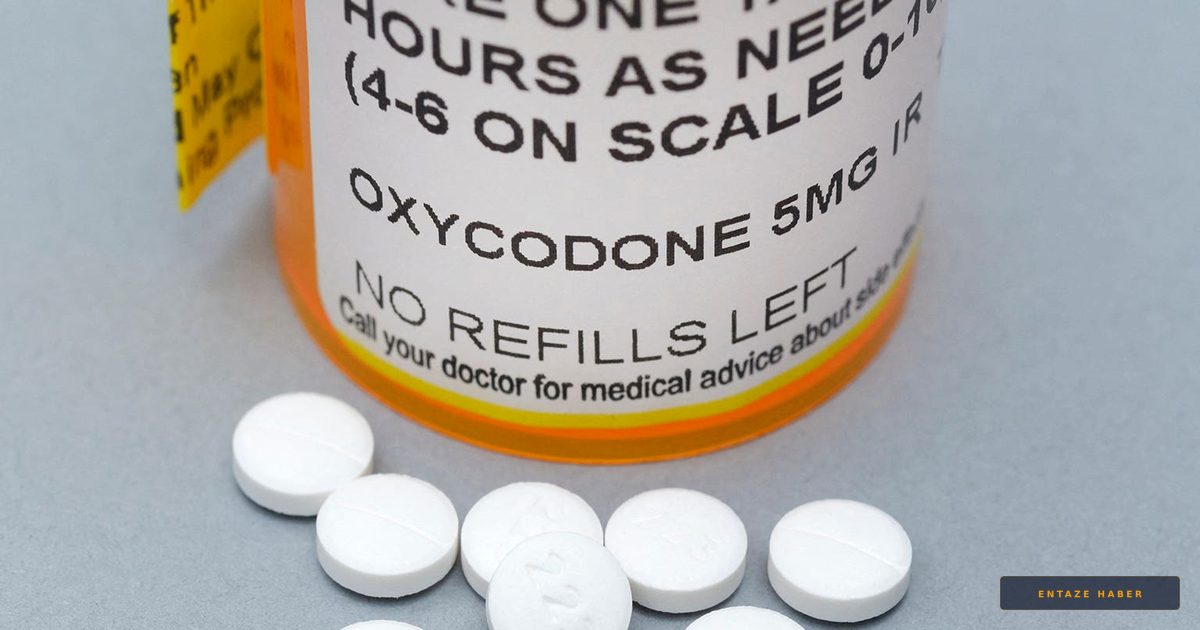
Boosting Patient Retention in Addiction Care
For patients struggling with opioid use disorder (OUD), the hospital environment can be incredibly challenging. When withdrawal symptoms are not adequately managed, patients frequently opt for early patient-directed discharge—a decision that carries significant risks, including higher rates of readmission, overdose, and mortality. A recent retrospective cohort study suggests a potential solution: utilizing short-acting opioids to manage withdrawal symptoms more effectively.

Data Reveals Dose-Dependent Benefits
Researchers from the University of California San Francisco examined 669 hospitalizations across 520 patients to understand how these medications influence patient behavior. Published in JAMA Network Open, the findings reveal that for every doubling of the daily dose of short-acting opioids administered for withdrawal, the hazard of an early patient-directed discharge dropped by 8% (adjusted HR 0.92, 95% CI 0., P =0.03).

Dr. Alexander Logan, the lead author, noted that these results align with his own clinical observations. While gold-standard treatments like methadone or buprenorphine remain essential, they often struggle to counteract the intense cravings and withdrawal symptoms exacerbated by the prevalence of fentanyl and other synthetic opioids. By providing better symptom control, hospitals can encourage patients to complete their full course of treatment.
Clinical Implementation and Future Research
The study focused on an urban safety-net hospital in San Francisco, where clinicians utilized an "opioid withdrawal order set" between February and December 2024. This protocol allowed for the use of oral oxycodone or hydromorphone as first-line treatments, with intravenous hydromorphone as a secondary option for patients meeting specific clinical criteria. Among the study population, which had a mean age of 44 and included a high percentage of unhoused individuals, 13.8% of hospitalizations ended in early discharge.
Despite the positive correlation between higher doses and longer stays, researchers emphasized the need for caution. Future investigations must address potential unintended consequences, such as whether these short-acting opioids might inadvertently interfere with the initiation of long-term maintenance medications like methadone or buprenorphine. The team also plans to further explore the optimal timing and dosing strategies to maximize patient safety and recovery outcomes.
Recent Developments
The medical community is tracking breaking news regarding OUD treatment protocols as hospitals strive to improve patient retention rates. These latest updates provide a live news look at how clinical interventions can mitigate the risks of early discharge. You can follow all developments instantly on MedicareTicker.com.
Related Topics
🔹 Opioid Use Disorder 🔹 Addiction Medicine 🔹 Hospital Patient Retention 🔹 Public Health Policy 🔹 Clinical Research Updates 🔹 Substance Abuse Treatment
Breaking-news News
This category provides breaking news and the latest updates on critical healthcare developments. MedicareTicker.com delivers live coverage of medical research and policy shifts impacting patient outcomes globally.
Frequently Asked Questions
Why do patients with opioid use disorder often leave the hospital early?
Patients frequently leave against medical advice because the pain and psychological distress of untreated opioid withdrawal are overwhelming. When hospital protocols fail to adequately manage these symptoms, patients may prioritize seeking relief elsewhere, which increases their risk of overdose.
Did the study find that timing of the first dose matters?
Interestingly, the study did not find a statistically significant association between the time to the first dose of a short-acting opioid and the likelihood of a patient-directed discharge within 72 hours. While dosing amounts were impactful, the speed of the initial administration did not show the same correlation.
What are the risks of using short-acting opioids for withdrawal?
While these medications help with retention, researchers are concerned about potential unintended consequences. Specifically, there is a risk that short-acting opioids could outcompete or complicate the initiation of life-saving maintenance treatments like buprenorphine or methadone, which require careful management.