Ebola Crisis Intensifies in Congo: Experts Warn of Dwindling Global Response Capacity Amid Aid Reductions
Amid a deepening Ebola outbreak in the Democratic Republic of the Congo, experts Jeremy Konyndyk and Jeremy Faust examine critical aid cuts and global health response challenges.
Ebola Crisis Intensifies in Congo: Experts Warn of Dwindling Global Response Capacity Amid Aid Reductions
Recent discussions among leading public health authorities have cast a critical light on the escalating Ebola outbreak in the Democratic Republic of the Congo (DRC), alongside severe concerns regarding the erosion of international capacity to manage such crises. A recent webinar hosted by MedPage Today, featuring Editor-in-Chief Jeremy Faust, MD, MS, MA, brought into focus the perspectives of Jeremy Konyndyk, President of Refugees International and a former U.S. Agency for International Development (USAID) official. Konyndyk, who played a key role in orchestrating the U.S. response to the 2014 Ebola epidemic, shared insights into the current situation and the broader implications of diminishing global health resources.

The conversation thoroughly explored the multifaceted challenges confronting medical professionals on the ground in the DRC. It also delved into the profound ramifications stemming from recent cutbacks and disruptions to critical global health initiatives. The dialogue extended to encompass vital aspects of public health, including methodologies for detecting disease outbreaks, effective containment protocols, the progress in developing vaccines and therapeutic treatments, and the crucial lessons governments should draw from previous public health emergencies.
Examining the Current Outbreak in the Democratic Republic of the Congo

Konyndyk offered a comprehensive overview of the ongoing Ebola crisis impacting the Democratic Republic of the Congo. The discussion underscored the complexity of managing such an epidemic in a region grappling with various humanitarian and security challenges. The experts emphasized that understanding the unique context of the DRC is paramount for any effective intervention strategy.
Critical Challenges for Frontline Healthcare Personnel
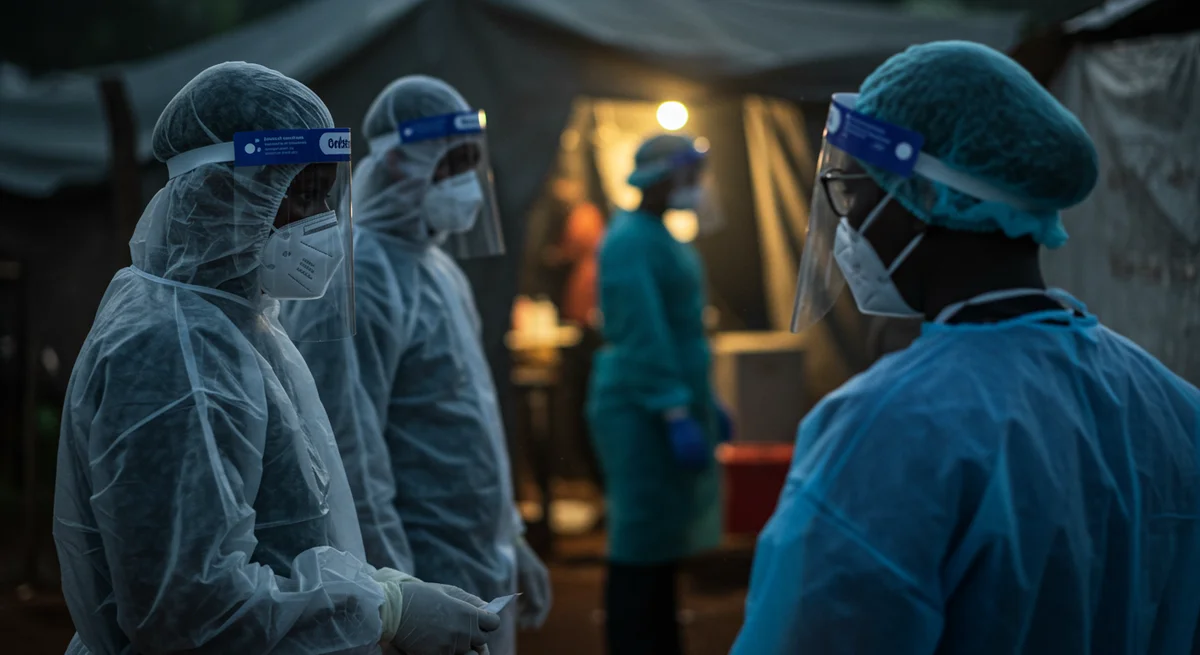
A significant portion of the webinar addressed the severe difficulties faced by healthcare workers directly involved in containing the outbreak. Among the most pressing issues highlighted were pervasive shortages of personal protective equipment (PPE). These deficiencies not only jeopardize the safety of medical staff but also impede their ability to deliver care effectively and prevent further transmission within health facilities and communities. The sustained pressure on these frontline responders, often operating in precarious environments, was a central theme.
The Far-Reaching Effects of Global Health Program Disruptions
The discussion then pivoted to the broader consequences of reduced funding and operational capacity within international aid programs. A particular emphasis was placed on how the loss of USAID's robust support has directly hampered the ability to mount a swift and comprehensive response to the current outbreak. This reduction in resources, Konyndyk suggested, has created critical vulnerabilities, undermining established public health infrastructure and emergency preparedness mechanisms.
Blueprint for an Effective International Response
The experts outlined what an ideal, effective international response to an epidemic like Ebola should entail. This included a coordinated, well-resourced, and rapidly deployable strategy that integrates surveillance, rapid diagnostic capabilities, and community engagement. The importance of resilient supply chains for essential medical supplies, including PPE, was also stressed as a foundational element.
Modern Outbreak Response and Contact Tracing Methodologies
Modern approaches to outbreak management, particularly contact tracing, were meticulously examined. The speakers detailed how these sophisticated methods operate in practice, involving the identification and monitoring of individuals who may have come into contact with an infected person. This meticulous process is critical for breaking chains of transmission and containing the spread of the virus within affected populations.
The Indispensable Role of Community Trust in Epidemic Control
A pivotal insight shared during the discussion was the critical importance of fostering community trust to successfully control an Ebola epidemic. Without the cooperation and confidence of local populations, public health interventions, including contact tracing, safe burial practices, and vaccination campaigns, face significant resistance and are far less effective. Building rapport through transparent communication and culturally sensitive approaches is essential for gaining local acceptance and participation.
Navigating Vaccine Development and Research Ethics
The webinar also touched upon the advancements in vaccine and therapeutic development for Ebola, alongside the complex ethical considerations inherent in outbreak research. The urgent need for rapid development often conflicts with standard research protocols, necessitating careful navigation to ensure both efficacy and ethical compliance. The discussion explored how these ethical dilemmas are addressed in the high-stakes environment of an active epidemic.
Gauging Outbreak Control: Key Indicators for Experts
Finally, the experts detailed the specific criteria and indicators public health professionals employ to determine whether an outbreak is successfully coming under control. These include a consistent decline in new cases, a reduction in the geographic spread of the disease, and the effective containment of transmission chains. Such metrics provide crucial data for guiding ongoing response efforts and signaling eventual recovery.
Latest Updates on this Story
As the situation in the Democratic Republic of the Congo continues to evolve, health organizations are closely monitoring the Ebola outbreak amid concerns about global response capabilities. Breaking news and live coverage indicate that resource allocation and international collaboration remain critical discussion points for addressing the ongoing public health crisis. You can monitor all live updates on this story in real-time on MedicareTicker.com.
Related Topics
🔹 Ebola Outbreak DRC 🔹 Global Health Security 🔹 USAID Funding Cuts 🔹 Epidemic Preparedness 🔹 Public Health Emergency 🔹 Humanitarian Aid 🔹 Vaccine Development Ethics 🔹 Contact Tracing Strategies
About MedicareTicker News
MedicareTicker.com's news section provides comprehensive, unbiased reporting on critical global health issues, including epidemics and international aid policy. We delve into the complexities of public health responses and their impact on vulnerable populations, serving as a leading independent resource for current news and in-depth analysis in this domain.
Frequently Asked Questions
What is the current state of the Ebola outbreak in the Democratic Republic of the Congo?
The current state of the Ebola outbreak in the DRC is severe, with healthcare workers facing significant challenges including PPE shortages and the impacts of disrupted global health programs. Experts are concerned about the diminishing capacity for international response.
Who are Jeremy Konyndyk and Jeremy Faust, and what was the context of their discussion?
Jeremy Konyndyk is the President of Refugees International and a former USAID official, known for his role in the 2014 Ebola response. Jeremy Faust is the Editor-in-Chief of MedPage Today. They discussed the current Ebola outbreak, aid cuts, and global health response challenges in a MedPage Today webinar.
How have disruptions to global health programs impacted the Ebola response?
Disruptions to global health programs, particularly the loss of USAID support, have severely impacted the Ebola response by reducing resources and hindering the ability to effectively detect, contain, and treat the virus. This leads to critical vulnerabilities in public health infrastructure.
What is the significance of community trust in controlling an Ebola epidemic?
Community trust is critically important for controlling an Ebola epidemic because it ensures local populations cooperate with public health interventions like contact tracing, safe burials, and vaccination. Without trust, these efforts face significant resistance and are far less effective.